
Termite Inspection Melbourne
EcoSafe Pest Control provides expert termite inspection Melbourne homeowners trust to detect activity early and prevent costly damage. Our licensed team identifies termites, damage, and risk areas quickly. We deliver fast, effective termite treatments and prevention services across Melbourne, protecting homes with reliable, long-term termite control and peace of mind year-round.









Professional Termite Inspections in Melbourne Backed by Over 25 Years of Experience
Found signs of termites or worried your home could be at risk? Don’t wait until hidden damage turns into expensive repairs. Eco Safe Pest Control provides professional Termite Inspections Melbourne homeowners trust to detect termite activity early, giving you the answers and protection you need before serious structural damage occurs.
Our experienced technicians thoroughly inspect your home for active termites, hidden entry points, moisture issues, and areas vulnerable to infestation. If termites are detected, we act quickly with proven Termite Treatment Melbourne solutions that eliminate the colony and stop further damage, protecting your biggest investment.
With over 25 years of experience, Eco Safe Pest Control helps Melbourne homeowners prevent costly repairs through accurate inspections, effective treatments, and practical termite prevention strategies. Whether you’ve spotted warning signs or simply want peace of mind, our team delivers fast, reliable solutions that keep your home protected year-round.
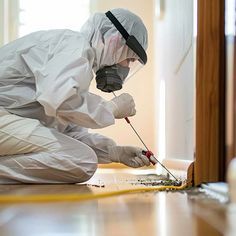
Classification
Termites are destructive timber pests that feed on wood and other cellulose materials. They commonly live underground or inside timber structures, often causing significant damage before homeowners even realise they are present.
Their hidden behaviour and ability to spread quickly make them one of the most damaging pests found in Melbourne homes.
Pest Risk
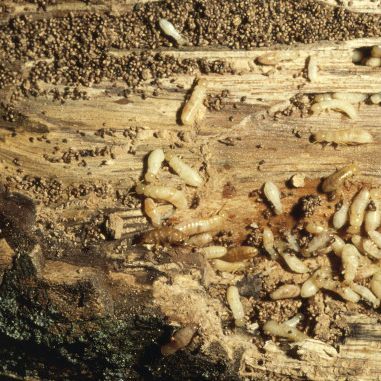
Termites live in large colonies that continue to expand as they search for new food sources. They often travel through concealed mud tunnels, allowing them to attack timber structures while remaining hidden from view.
Without professional treatment, termite colonies can continue causing extensive structural damage and spread throughout your property unnoticed.
Health Threat
Termites do not bite people, but they can cause serious structural damage to your home. As they feed on timber, they weaken walls, floors, roof framing, and other structural elements, often without any visible signs.
If left untreated, termite activity can lead to costly repairs and significant damage to your property’s value and safety.
Impact
Termites can spread throughout your home, silently attacking timber structures from the inside out. Because they remain hidden inside walls, floors, and roof timbers, significant damage can occur long before they are discovered.
Professional termite treatment is essential to eliminate the colony, protect your home, and help prevent further structural damage.
Current Pest Status
Termite activity in Melbourne can occur all year round, but colonies are often more active during the warmer months when conditions are ideal for foraging and colony growth. Because termites work hidden from view, early detection through regular inspections is essential to prevent costly structural damage to your home.
Active Season: Year Round (Peak in Spring and Summer)
Peak Activity: 20 to 35°C
Common Areas: Timber framing, subfloors, wall cavities, roof timbers and garden structures
Early Warning Signs of Termites In Your Home
The first signs of termites in your Melbourne home can be subtle and difficult to detect. Termites often remain hidden inside timber, walls and other structural areas, so recognising early warning signs can help identify activity before significant damage occurs.
- Mud tubes: Narrow tunnels running along foundations, walls, brickwork, subfloors or timber can indicate termites travelling between their colony and a food source.
- Hollow sounding timber: Timber that sounds hollow when tapped or feels unusually soft may have been damaged internally by termites.
- Discarded termite wings: Small piles of wings around windows, doors, skirting boards or other entry points can indicate termite swarmers nearby.
- Damaged timber: Blistering, cracking, sagging or weakened timber may indicate concealed termite activity within the structure.
If you notice these signs, arrange a professional Termite Inspection Melbourne promptly.
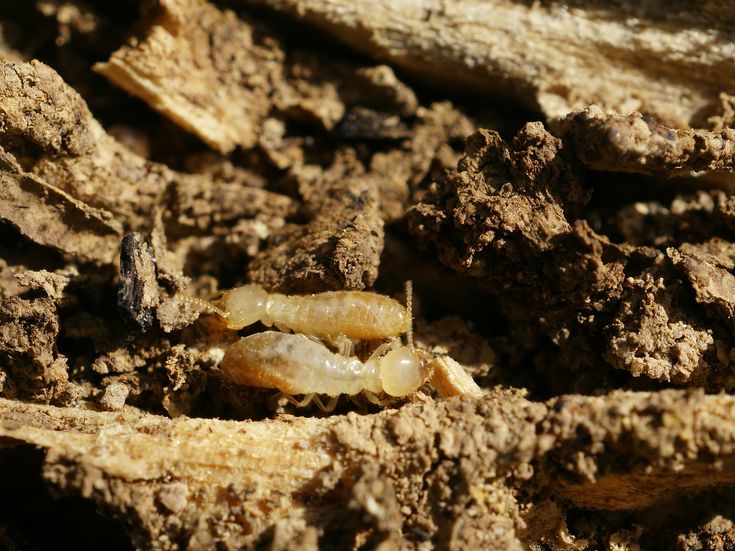
Melbourne's Most Common Household Termites
Melbourne is home to several termite species that can cause significant damage to residential properties. Different species vary in their nesting behaviour, feeding habits and the way they enter homes. Correctly identifying the termite species is essential for selecting the most effective treatment and protecting your Melbourne home from ongoing structural damage.
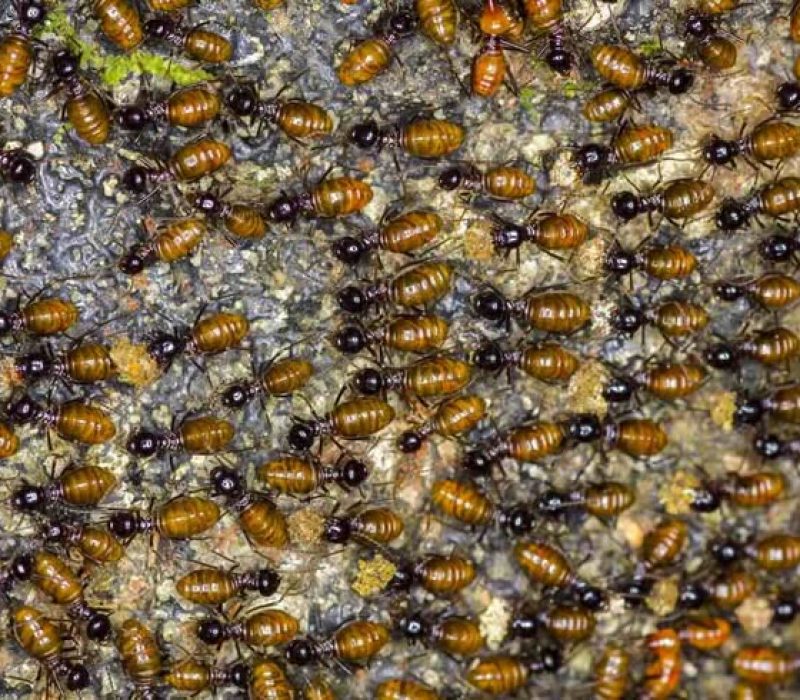
Subterranean Termite
Subterranean termites are highly destructive pests that live underground and build large colonies in soil. They travel through mud tunnels to access timber structures inside Melbourne homes and often remain hidden while causing serious structural damage.
Their presence usually indicates moisture issues or timber in direct contact with soil, which creates ideal conditions for infestation and colony growth.
Key Characteristics:
• Colonies live underground in soil
• Travel through mud tubes to reach timber
• Highly destructive to structural wood in homes
• Common in subfloors, foundations, and damp areas around properties
Subterranean termites can cause significant damage before being detected, making regular inspections essential for early identification and prevention in Melbourne homes.
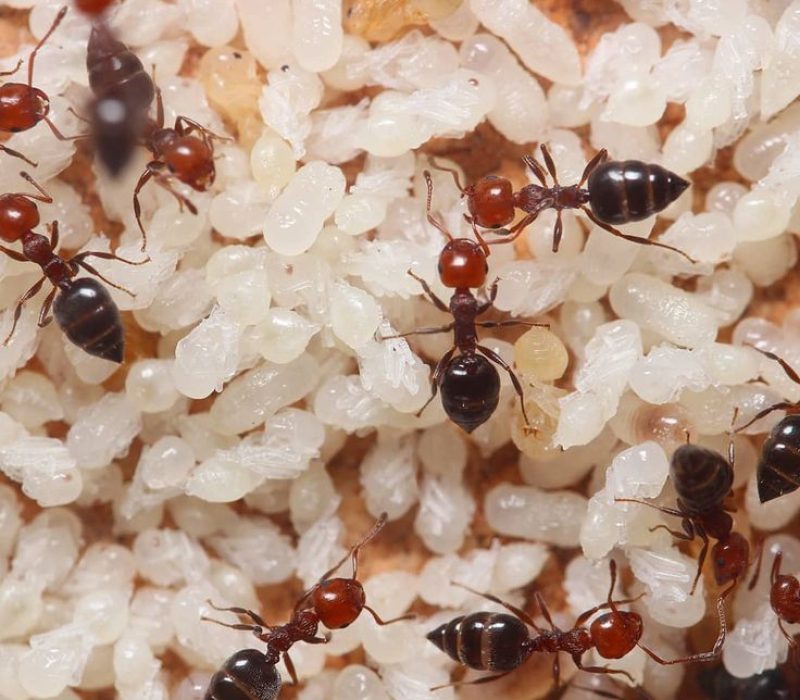
Coptotermes Species
Coptotermes species are among the most aggressive and destructive termites found in Melbourne homes. They live in large underground colonies and can quickly damage structural timber, roof frames, flooring, and wall supports. They are often responsible for serious infestations that require urgent professional treatment.
These termites are very secretive and usually stay hidden inside timber or wall cavities, making early detection difficult. Damage is often only noticed once it becomes severe.
Key Characteristics:
• Highly aggressive subterranean termite species
• Lives in large underground colonies
• Causes rapid structural timber damage
• Common in roof voids, walls, and subfloors
• Builds mud tunnels to access homes
Coptotermes species are a major risk to Melbourne properties, making regular termite inspections essential.
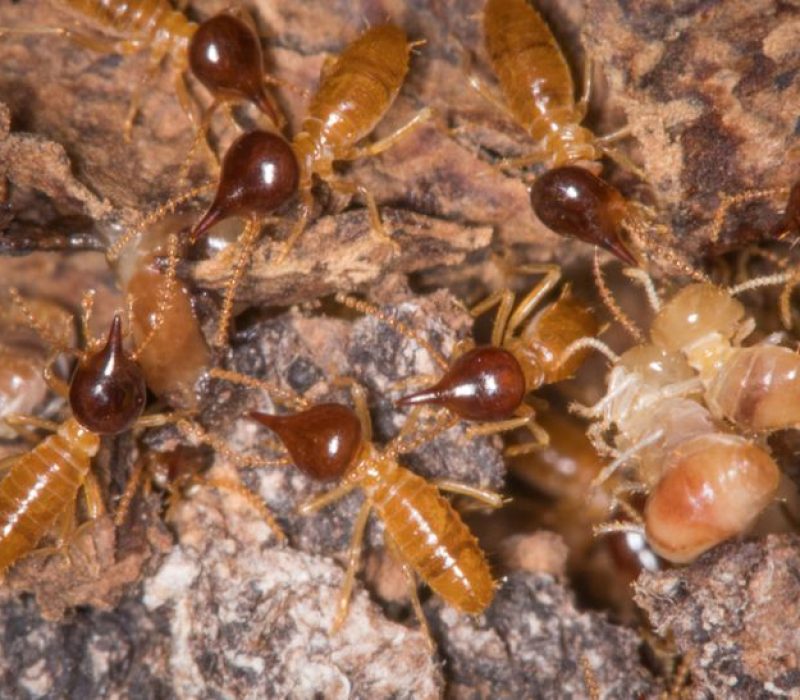
Nasutitermes Species
Nasutitermes species are commonly found in Melbourne gardens, trees, stumps, and outdoor timber structures. They usually start in dead or decaying wood outside the home but can move into buildings if conditions become suitable. While they are less aggressive than other termite species, they can still cause significant timber damage over time.
These termites build carton nests in trees or soil and create covered mud tunnels to travel between food sources. They are often linked to moisture and untreated timber around properties.
Key Characteristics:
• Common in trees, stumps, and garden timber
• Builds carton nests above ground or in soil
• Travels through mud tunnels to feed
• Prefers damp or decaying wood
• Can enter homes from surrounding vegetation
Nasutitermes species are a risk for Melbourne homes with nearby trees or timber structures, making regular inspections and property maintenance essential.
Removing Termites From Melbourne Homes For 25 Years
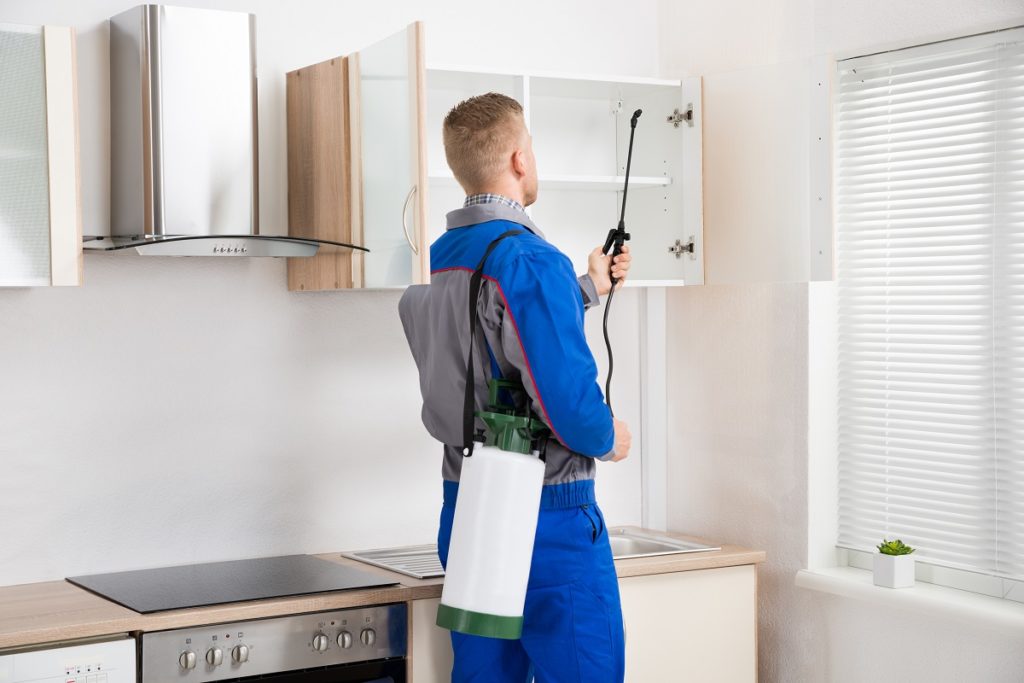
Our licensed Melbourne technicians conduct thorough termite inspections in accordance with AS 3660.2 (Termite Management in and Around Existing Buildings and Structures).
- Full internal & external assessment – roof voids, subfloors, foundations, gardens, and fences
- Moisture and thermal imaging technology – detecting hidden termite activity and conducive conditions
- Detailed reporting – clear findings, risk assessment, and recommendations for ongoing protection
How to Prevent Termite Infestations In Your Home
Preventing termites from entering your Melbourne home starts with reducing moisture and removing potential access points:
- Reduce moisture – repair leaking pipes, taps and gutters, and ensure water drains away from foundations
- Keep timber away from soil – avoid storing firewood, timber or building materials against your home or directly on the ground
- Maintain gardens and mulch – keep soil, garden beds and mulch below slab edges and away from external walls
- Arrange regular termite inspections – professional inspections can identify hidden activity, moisture issues and potential entry points early
Immeditate Action To Take If You Dectect Termites
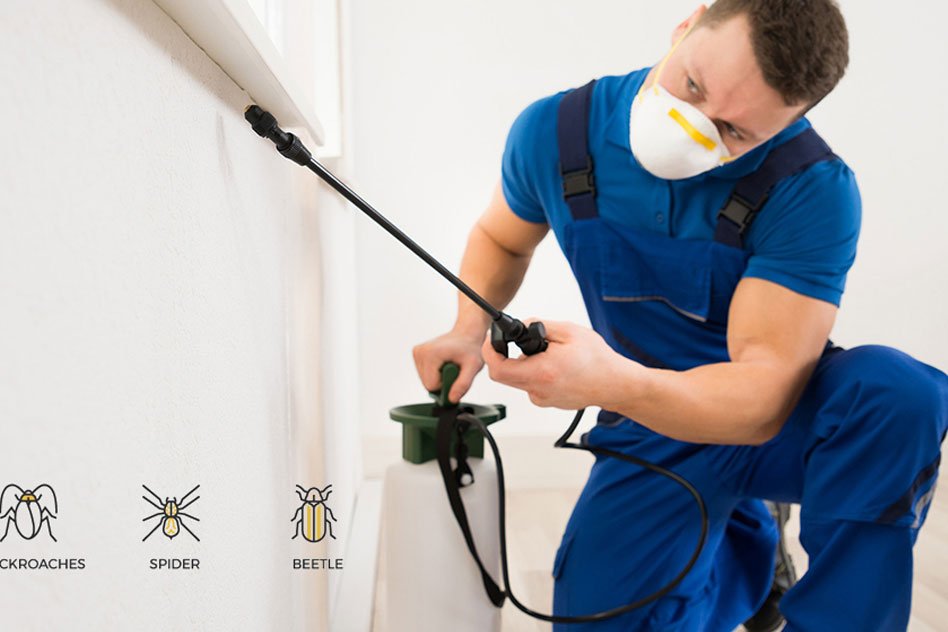
If you detect termites in your Melbourne home, act quickly to reduce the risk of structural damage. Do not disturb the affected area, as termites can move deeper into the property and make detection harder. Avoid sprays or DIY treatments, as these can interfere with professional Termite Control Melbourne solutions.
Remove moisture sources where possible by fixing leaks and improving ventilation, and keep children and pets away from affected areas. Avoid removing damaged timber until a professional termite inspection is completed, allowing specialists to assess the full extent of activity.
Contact a licensed termite specialist in Melbourne for a detailed inspection and targeted treatment plan. At EcoSafe Pest Control, we provide professional Termite Control Melbourne services, including inspections and treatments, to stop active infestations and protect your home from costly structural damage.
Compliance & Safety at the Core
EcoSafe operates with strict compliance to Victorian OH&S regulations and industry standards. All products used are APVMA-registered, and treatments are selected for effectiveness, safety, and minimal environmental impact.
Our reporting and documentation processes are designed to meet the requirements of government, commercial, and residential clients, giving full transparency and confidence in every service.
Why Choose EcoSafe for Termites?
- Over 25 years of hands-on termite management experience
- AS 3660.2 compliant inspections and treatments
- Trusted by major contracts including Monash University, RMIT, and the Department of Justice & Community Safety
- Advanced technology – moisture meters, thermal imaging, and digital monitoring systems
- Long-term prevention focus – not just treating termites, but safeguarding your property
Protect Your Property from Termite Damage
Termites are a silent and destructive threat. By the time visible signs appear, significant damage is often already done. EcoSafe Pest Control provides the expertise, systems, and compliance framework to protect your property before it’s too late.
EcoSafe Pest Control – Melbourne’s trusted authority in termite inspections and treatments.
What Homeowners Must Avoid After Discovering Termites
Finding termites in your Melbourne home requires careful action. Do not disturb termite mud tubes, nests or damaged timber, as this can cause termites to retreat and make the colony harder to locate during an inspection.
Do not spray termites with insecticide or use DIY termite treatments. These products may kill visible termites without addressing the colony and can interfere with professional treatment.
Do not remove or replace damaged timber until the property has been inspected.
Do not ignore moisture issues, including leaking pipes, poor drainage or timber contacting soil, as these can increase termite risk.
Instead, arrange a professional Termite Inspection Melbourne to identify the extent of the activity and determine the appropriate treatment.
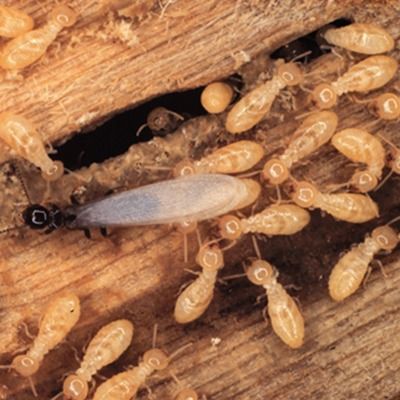
Which Melbourne Homes Are Most at Risk of Termites?
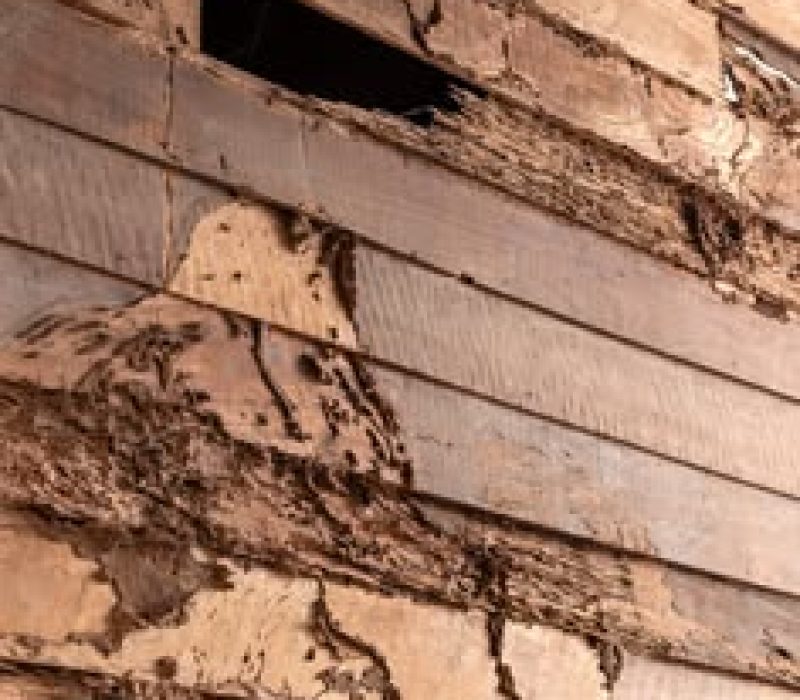
Older Weatherboard and Timber Framed Homes
Older weatherboard and timber framed homes across Melbourne can be vulnerable to termites, particularly where timber sits close to damp soil. Subterranean termites can enter through concealed gaps and travel through mud tubes to reach structural timber.
Poor subfloor ventilation, moisture and timber in contact with the ground can create favourable conditions for termite activity.
Key Characteristics:
Timber flooring, bearers and joists
Damp or poorly ventilated subfloors
Timber touching or close to soil
Concealed entry points around foundations
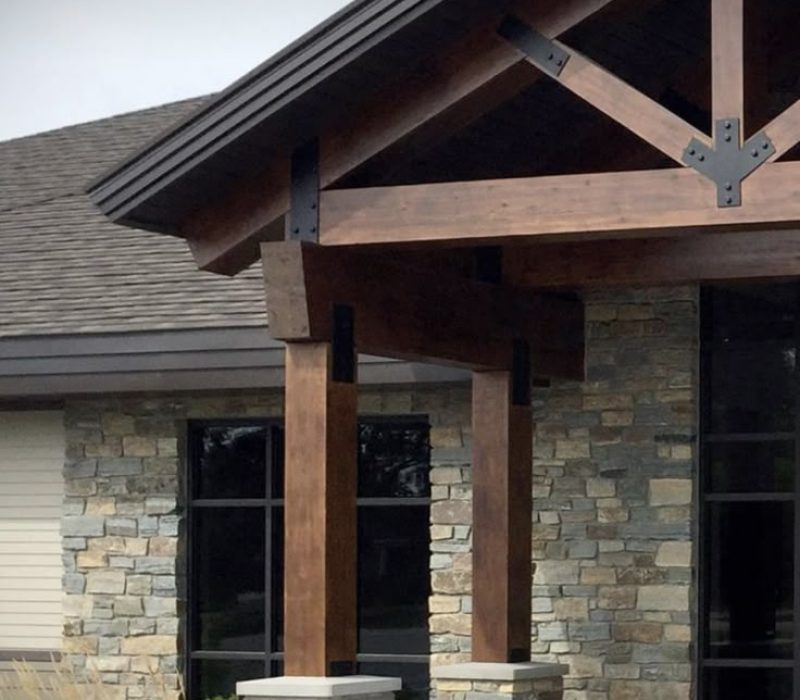
Brick Veneer Homes with Timber Frames
Many brick veneer homes throughout Melbourne contain concealed timber framing that termites can damage without obvious external signs. Subterranean termites may enter through foundation gaps, plumbing penetrations and hidden openings before reaching structural timber.
Damp soil, garden beds against external walls and concealed access points can increase the risk of undetected termite activity.
Key Characteristics:
Timber framing concealed behind brickwork
Gaps around foundations and plumbing
Garden beds or soil against external walls
Hidden termite activity inside wall cavities

Concrete Slab Homes with Established Gardens
Modern and established Melbourne homes built on concrete slabs are not immune to termites. Subterranean termites can exploit cracks, construction joints and plumbing penetrations to reach timber inside the building.
Excessive garden irrigation, leaking pipes and moisture around foundations can create favourable conditions for termite activity, even when the home has no exposed timber beneath it.
Key Characteristics:
Cracks and joints in concrete slabs
Gaps around plumbing penetrations
Damp garden beds near foundations
Concealed access to structural timber
maintenance essential.
Health and Safety Concerns In Melbourne Homes
Termites do not pose a direct health risk to people, but they can create serious safety risks for Melbourne homes by silently damaging the timber structures that support the property. Left untreated, termite activity can weaken wall frames, flooring, roof timbers and other structural elements, leading to expensive repairs and potential safety concerns. Regular termite inspections and early treatment help Melbourne homeowners protect their property and prevent extensive structural damage.
Food Contamination
Termites live in soil and timber before entering Melbourne homes through concealed entry points.
As they feed on structural timber, they can weaken walls, flooring and roof timbers, causing hidden damage that may compromise the safety and integrity of your home.
Electrical Damage
Some termite species can tunnel through timber surrounding electrical wiring and building services.
Their hidden activity can damage structural timbers around these areas, making infestations difficult to detect until significant damage has already occurred.
Allergic Reactions
While termites do not bite people or spread disease, they can remain undetected for long periods while causing extensive damage.
This hidden activity places Melbourne homes at greater risk of costly structural repairs if infestations are not identified and treated early.
Termite Identification Guide For Melbourne Homes
Correctly identifying the termite species affecting your Melbourne home is the first step towards effective termite treatment. Different termite species found across Melbourne vary in their nesting habits, colony size, feeding behaviour and the way they enter homes, meaning each requires a tailored treatment approach. Understanding which termite species is active on your property helps ensure the most effective solution while reducing the risk of ongoing structural damage. Use this guide to identify the termite species most commonly found in Melbourne homes.
Size
Termite size varies depending on the species and the role each termite performs within the colony.
• Workers: 3 to 6 mm
• Soldiers: 4 to 8 mm
• Reproductive Alates (Winged Termites): 10 to 15 mm (including wings)
Colour
Termites vary in colour depending on their species and role within the colony.
• Cream to white: Worker termites
• Light brown to reddish brown: Soldier termites
• Dark brown to black: Winged reproductive termites (Alates)
Nest Habits
Most termites prefer nesting in moist environments with easy access to timber and concealed entry points into Melbourne homes.
• In soil beneath homes
• Inside wall cavities
• Under subfloors
• In tree stumps, timber sleepers and landscaping timber
Activity
Termite activity occurs throughout the year, with increased foraging and colony growth during warmer conditions.
• Peak season: Spring to Summer
• Preferred temperature: 20 to 35°C
• Most active: Day and night within timber and soil
Termite Life Cycle In Melbourne
Understanding the life cycle of termites commonly found in Melbourne homes helps determine the most effective time to detect and treat an infestation. From eggs and nymphs to workers, soldiers and reproductive termites, targeting the entire colony is essential for long term protection. Knowing how termite colonies develop helps prevent ongoing structural damage to Melbourne homes.
Egg
Stage 1
2 to 4 Weeks
The queen lays eggs deep within the termite colony, where they are protected until they hatch into immature termites that will develop into different colony roles.
Larva
Stage 2
Several Weeks to Several Months
Immature termites, known as nymphs, are cared for by worker termites as they grow and gradually develop into workers, soldiers or future reproductive termites.
Pupa
Stage 3
Several Months to Years
Immature termites gradually moult through several stages before developing into workers, soldiers or reproductive adults within the colony.
Adult
Stage 4
Several Years to Decades
Adult termites develop into workers, soldiers or reproductive termites. Worker termites forage for timber, expand underground tunnels and feed the colony, while reproductive termites establish new colonies during the swarming season.
Do Termites Bite and How to Treat In Melbourne
Risk Factors
• Existing termite damage in the home
• Visible signs of termite activity or timber damage
• Previous termite infestations or treatments
• Older homes with exposed timber structures
• Homes with moisture issues, poor ventilation or timber contact with soil
Prevention Tips
• Previous history of termite activity or treatment
• Homes with timber structures close to soil contact
• Moisture issues, leaks or poor drainage around the property
• Older Melbourne homes with exposed or ageing timber
• Properties with gardens, retaining walls or landscaping timber near the home
First Aid Treatment
- • Avoid disturbing or handling termites directly
• Do not attempt to remove termite colonies yourself
• Move damaged timber or items away from living areas if safe to do so
• Clean any skin contact with soap and water
• Monitor for any unusual irritation or reaction
• Contact a professional termite specialist for inspection and treatment
How to Prevent Termite Infestations In Melbourne Homes
Preventing termites is the most effective long term way to protect your Melbourne home from costly structural damage. By reducing moisture around your property, removing timber contact with soil, maintaining outdoor areas and arranging regular termite inspections, you can reduce the risk of termite activity throughout the year. Follow these practical steps to help protect your home and minimise future termite problems.
Kitchen and Food Areas
• Store timber, firewood and building materials away from your home
• Remove moisture sources such as leaks and poor drainage
• Avoid direct timber contact with soil around your property
• Keep subfloors, gardens and outdoor areas well maintained
• Inspect timber structures, fences and outdoor features regularly
Moisture Control
• Fix leaking pipes, taps and plumbing issues promptly
• Ensure proper drainage around your Melbourne home
• Improve ventilation in subfloors, roof spaces and damp areas
• Clean and maintain gutters to prevent excess moisture build-up
• Keep bathrooms, laundries and wet areas dry and well ventilated
Structural Maintenance
• Seal cracks and gaps around foundations, walls and entry points
• Repair damaged timber, weatherboards and building materials
• Remove vegetation and mulch away from the home’s exterior
• Maintain clear access around the property for termite inspections
• Ensure wall cavities and subfloor areas have adequate ventilation
Outdoor Prevention
• Remove timber debris, old stumps and unused wood from around your property
• Store firewood, timber and building materials away from your home
• Maintain garden beds and keep vegetation away from external walls
• Remove excess moisture and prevent water pooling around the property
• Keep outdoor areas clear to make termite inspections easier
Have an enquiry?
- 1300 852 339
- accounts@ecosafepestcontrol.com.au
- Melbourne and Greater Geelong