
Pest Library
Pest Library – Melbourne & Victoria
Pests behave differently depending on the environment, season, and conditions. At EcoSafe Pest Control, we have been managing pests across Melbourne and Victoria for over 15 years, giving us deep insight into the habits, risks, and effective management of the region’s most common pest species.
This pest library covers the most common pests in Melbourne and regional Victoria – how each one behaves, the risks it brings, and why professional control usually works better than a supermarket spray. Click through any pest below for treatment detail and pricing.
Ants
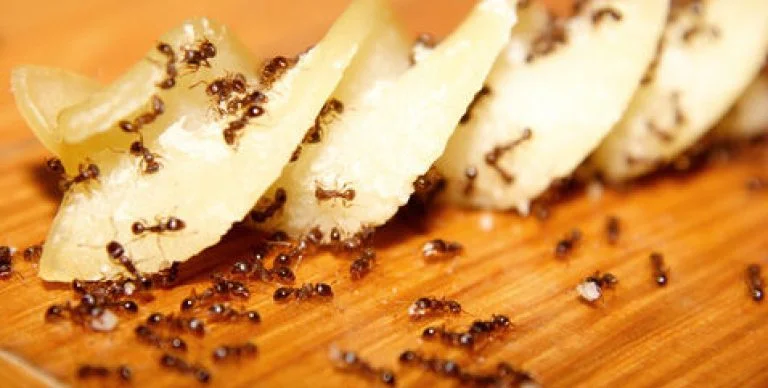
- Behaviour: Highly social insects that live in colonies, often nesting in soil, walls, or under paving. Ants forage widely, forming trails to food sources. In Melbourne, Argentine ants and coastal brown ants are particularly invasive.
- Risks: Contaminate food, damage electrical wiring, and are difficult to eliminate without targeting the nest.
Cockroaches
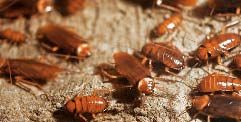
- Behaviour: Nocturnal pests that thrive in warm, moist environments such as kitchens, bathrooms, and drains. German cockroaches are the most common in Melbourne’s residential and hospitality sectors, while American cockroaches are found in commercial buildings and sewers.
- Risks: Spread bacteria (Salmonella, E. coli), trigger asthma and allergies, and breed rapidly if left untreated.
Rodents (Rats & Mice)
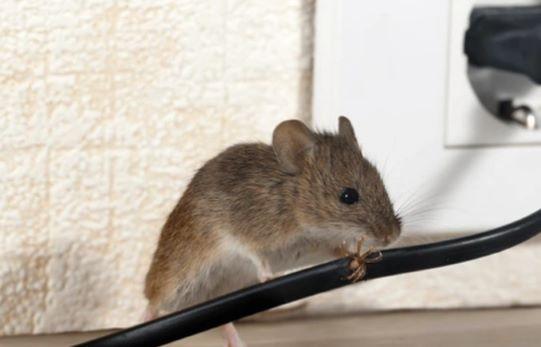
- Behaviour: Norway rats, roof rats, and house mice are the most common. They are excellent climbers, swimmers, and gnawers. Rodents breed quickly and travel along established runways close to food and shelter.
- Risks: Spread disease, contaminate food, damage property through gnawing, and present serious OH&S risks in commercial environments.
Spiders
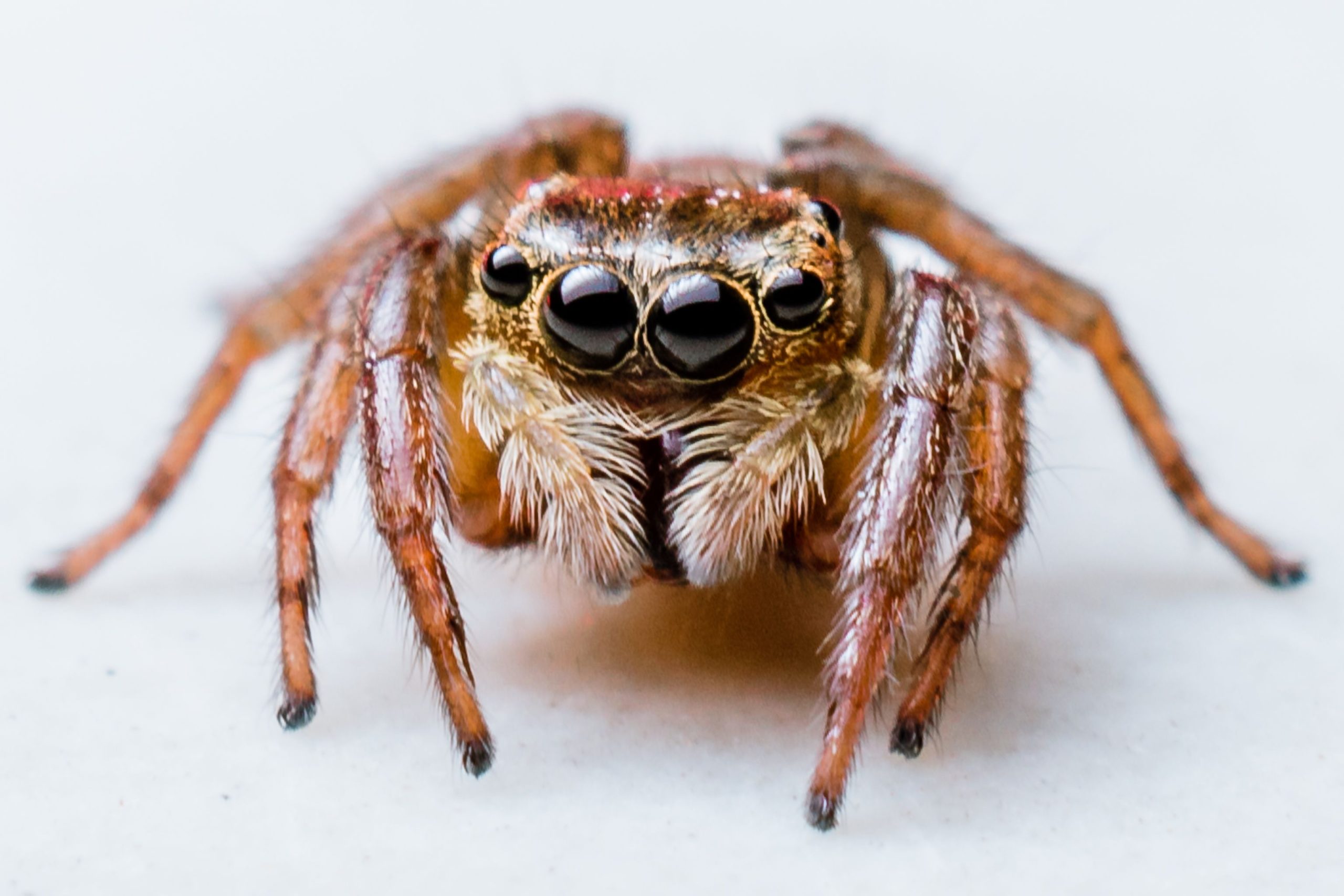
- Behaviour: Melbourne is home to redback spiders (web builders in sheltered areas), white-tailed spiders (roam indoors hunting other spiders), and huntsman spiders (large, fast-moving hunters often entering homes).
- Risks: Redback bites can be dangerous. Spiders also create fear in households and workplaces, affecting staff and customers.
Wasps & Bees
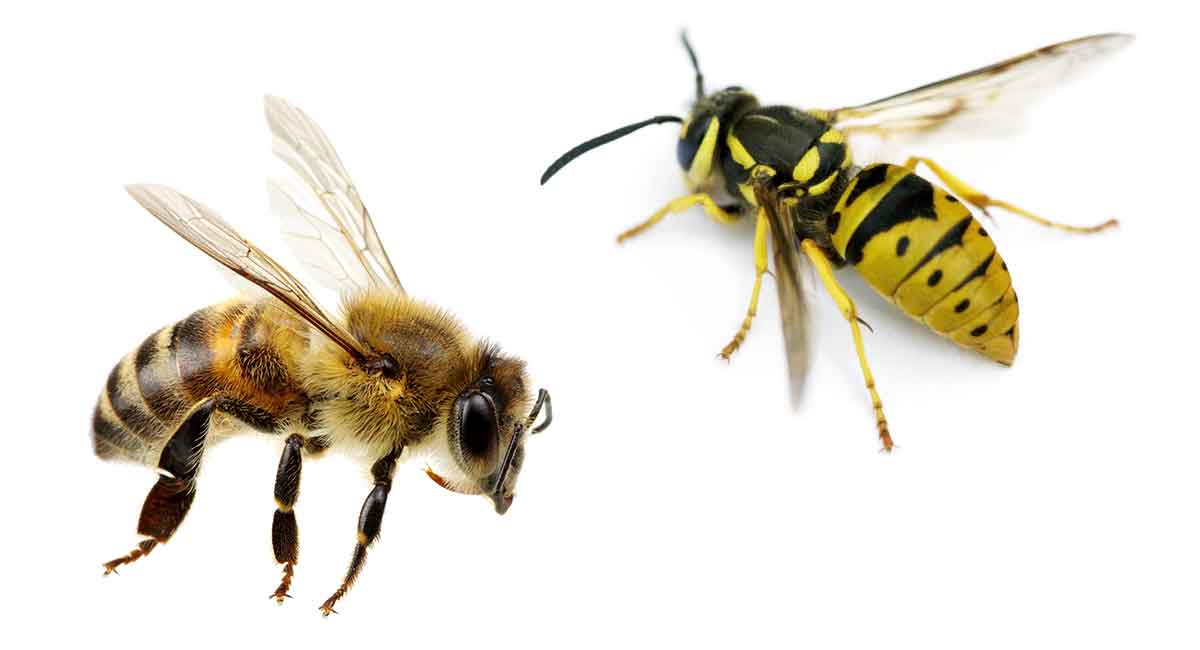
- Behaviour: European wasps and paper wasps build nests in wall cavities, roof spaces, sheds and garden retaining walls, and become most active through late summer and autumn. Honey bees swarm in spring and will sometimes establish a hive inside a wall or chimney.
- Risks: Wasps can sting repeatedly and will defend a nest aggressively, which makes disturbing one genuinely dangerous – particularly for anyone with an allergy. Nests should never be treated by hand. Honey bee swarms are best relocated by a beekeeper rather than destroyed.
Birds (Pigeons, Starlings, Seagulls)
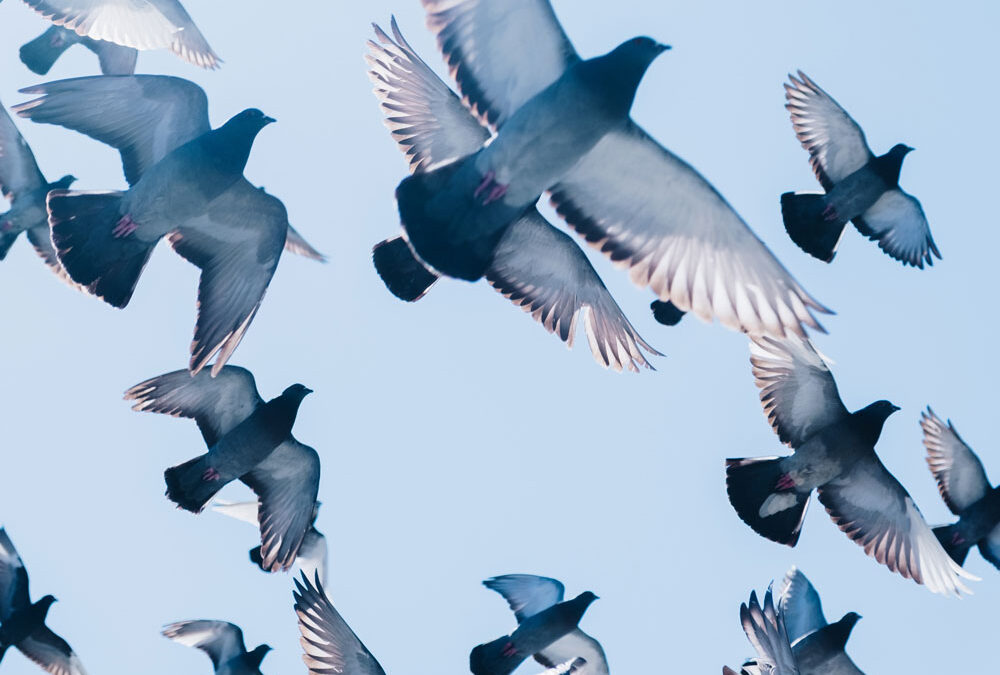
- Behaviour: Pest bird species roost and nest in roof spaces, on ledges, and in industrial structures. They are highly adaptive and can live in large flocks around food and water sources.
- Risks: Droppings corrode buildings, block gutters, and carry pathogens. Only controlled for commercial environments by EcoSafe.
Fleas & Bed Bugs
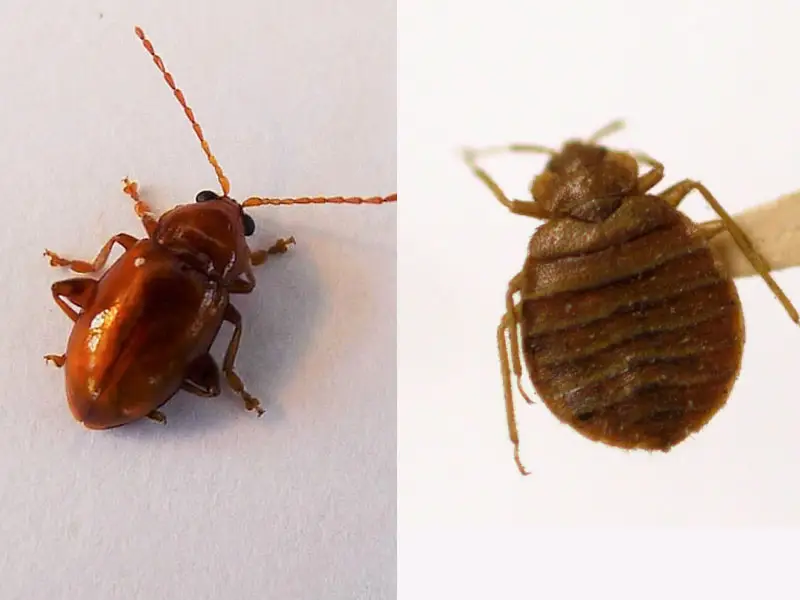
- Behaviour: Fleas are typically introduced into homes via pets, while bed bugs spread through luggage, furniture, and bedding. Both are resilient and difficult to control without professional treatments.
- Risks: Bites cause irritation, secondary infection, and loss of sleep. Bed bugs, in particular, spread rapidly in hotels, apartments, and shared housing.
Termites
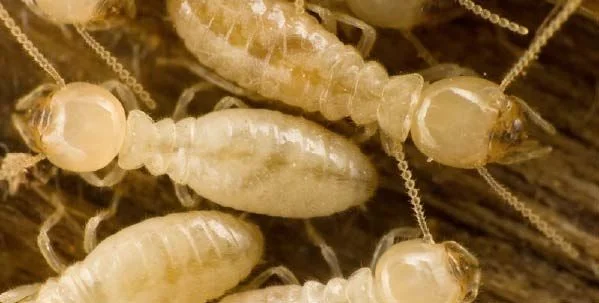
- Behaviour: Termites live in underground colonies and feed on cellulose in timber, often unnoticed until significant damage has occurred. Subterranean termites are the most destructive species in Melbourne.
- Risks: Cause more property damage annually than floods, fires, and storms combined. Colonies can number in the hundreds of thousands.
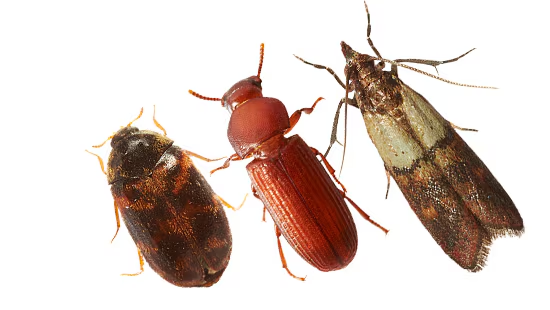
Stored Product Pests (Moths, Beetles, Weevils)
- Behaviour: Found in pantries, warehouses, and food manufacturing facilities. Species such as Indian meal moths and flour beetles infest stored grain and packaged food.
- Risks: Contaminate food supplies, cause reputational damage, and trigger compliance breaches in commercial environments.
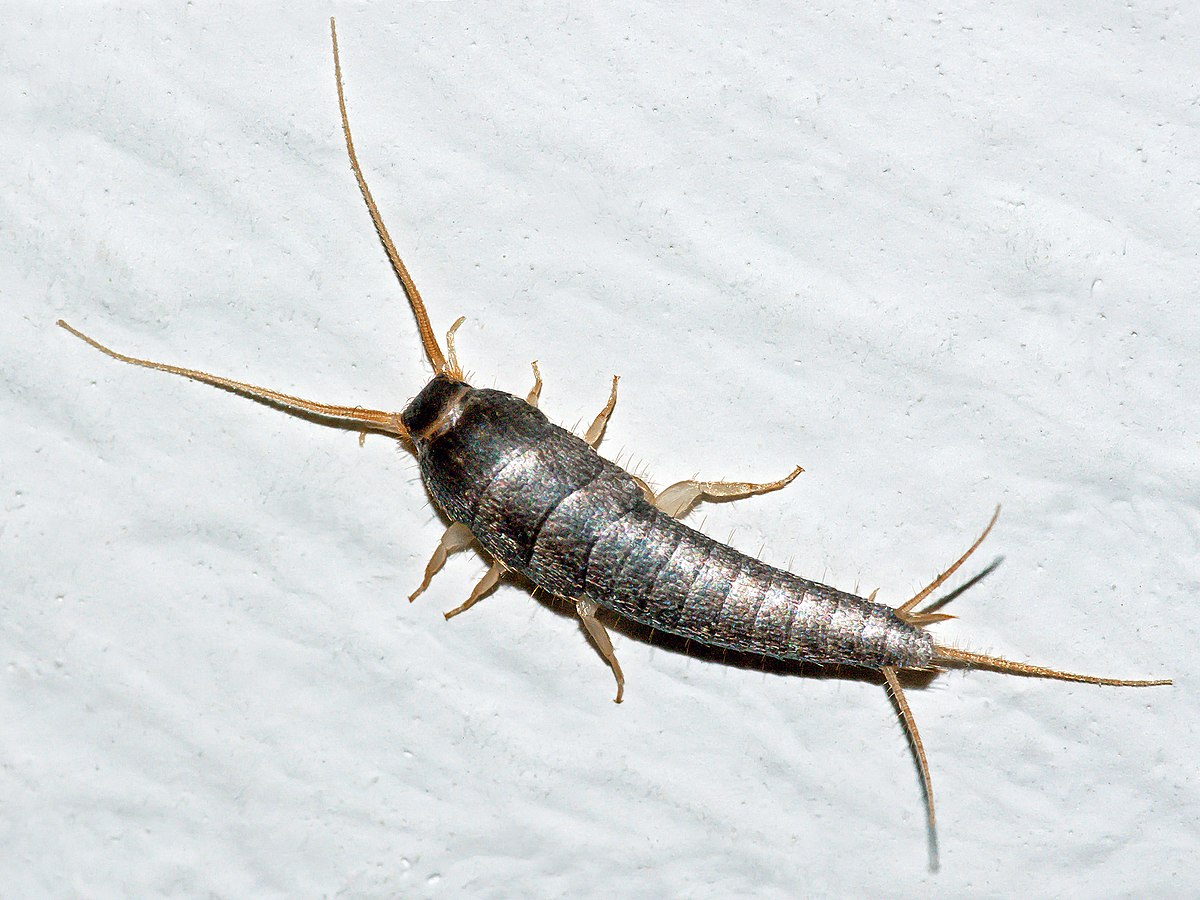
Silverfish
- Behaviour: Thrive in dark, damp environments such as roof voids, bathrooms, and storage areas. Feed on starches, glues, and paper products.
- Risks: Damage books, clothing, and stored materials.
Why Use a Professional Pest Controller?
Understanding pest behaviour is the first step in controlling them effectively. EcoSafe Pest Control uses this knowledge, combined with advanced monitoring, safe treatments, and compliance reporting, to protect homes, businesses, and government facilities across Melbourne and Victoria.
EcoSafe Pest Control – Melbourne’s trusted authority in pest management.
Have an enquiry?
- 1300 852 339
- accounts@ecosafepestcontrol.com.au
- Melbourne and Greater Geelong
Treatment services for common pests in Melbourne
Identifying the pest is only half the job. These pages explain how we treat each of the common pests in Melbourne homes and businesses, what the process looks like on the day, and what you need to do to prepare.
- Termite inspections and treatment
- Ant removal Melbourne
- Cockroach control Melbourne
- Spider removal Melbourne
- Rat and mice control Melbourne
- Bed bug treatment Melbourne
- Flea removal Melbourne
- Pigeon and bird control Melbourne
- Commercial pest control
- Domestic pest control
Not sure what you are dealing with? Send us a photo through the contact form or call 1300 852 339 and we will help you identify it.