
Melbourne Homeowner’s Guide to Wasp Removal
Finding wasps around your home can be concerning, especially when you suspect a nest nearby. Our Wasp Removal Melbourne homeowner’s guide explains what to look for, what to avoid, how to reduce wasp activity and when professional treatment may be needed.









Why Are Wasps Coming Around Your Melbourne Home?
Seeing wasps around your property does not automatically mean there is a nest in your home.
Wasps can travel away from their nest searching for food and water. European wasps in particular may be attracted to meat, pet food, sugary drinks, fallen fruit, rubbish and food around outdoor entertaining areas.
This is why wasp activity can suddenly become noticeable around barbecues, outdoor dining areas, rubbish bins and pet feeding areas.
The first question homeowners should ask is whether the wasps are simply foraging for food or repeatedly travelling to and from the same location.
One or two wasps investigating food outdoors can be very different from numerous wasps repeatedly entering a hole in the ground, wall cavity, roof area or other concealed location.
Watching where wasps are travelling from a safe distance can provide important clues about whether there may be an established nest nearby.
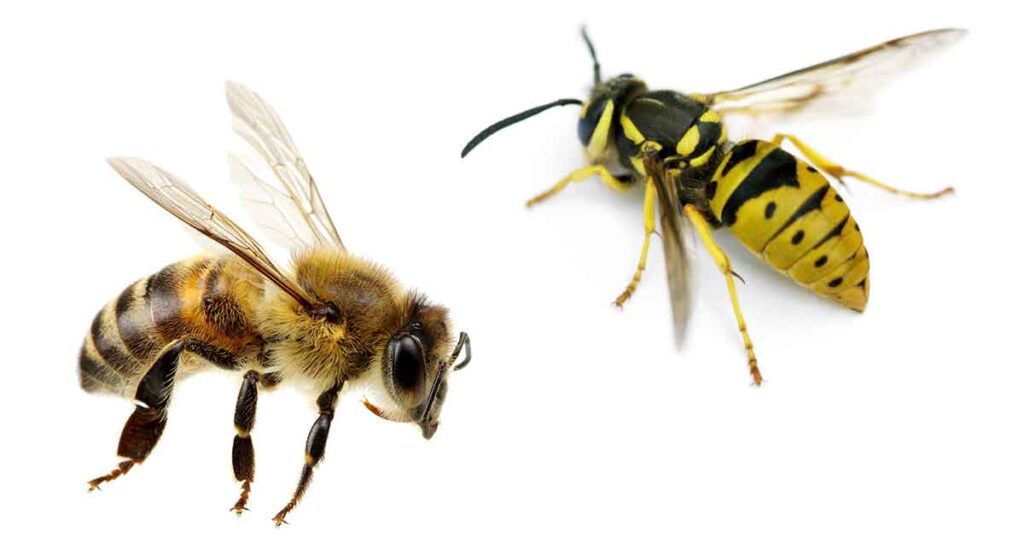
4 Common Areas Wasps Build Nests Around Melbourne Homes
Ground and Garden Areas
European wasps commonly establish nests underground. Look for repeated wasp activity around small holes in lawns, garden beds, soil, rockeries, tree bases and other protected ground areas. Do not dig into or disturb a suspected nest entrance.
Wall Cavities and Building Gaps
Wasps may use gaps around walls, cladding, pipes and other building openings to access concealed spaces. Repeated wasps entering and leaving the same opening can be an important warning sign of a hidden nest.
Roofs, Eaves and Sheds
Protected areas around roof spaces, eaves, garages and sheds can provide suitable nesting locations. Watch for consistent flight activity around one particular section of the building rather than attempting to access roof or elevated areas yourself.
Retaining Walls and Outdoor Structures
Retaining walls, fences, landscaping structures and other sheltered outdoor areas can provide concealed nesting opportunities. If numerous wasps repeatedly disappear into the same gap or opening, keep people and pets away and consider professional Wasp Removal Melbourne.
The Number One Warning Sign of a Wasp Nest
The strongest warning sign is repeated wasp traffic entering and leaving the same location.
You may notice wasps repeatedly disappearing into a hole in the ground, gap in a retaining wall, roof space, wall opening or another sheltered area.
Unlike a single wasp searching for food, established traffic tends to follow the same route.
Do not approach the area to investigate the opening closely.
Wasps can become defensive when they perceive a threat close to their nest, and disturbing the entrance may increase the likelihood of being stung.
Instead, observe from a safe distance and take note of exactly where the wasps appear to be entering.
If multiple wasps are consistently using the same location, professional Wasp Removal Melbourne should be considered rather than attempting to expose or remove the nest yourself.
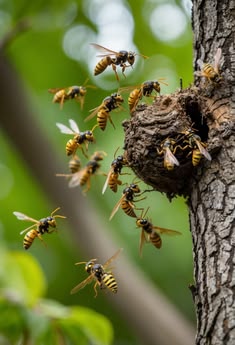
European Wasps vs Paper Wasps: What Are You Looking At?
Correct identification matters because not every wasp behaves or nests in the same way.
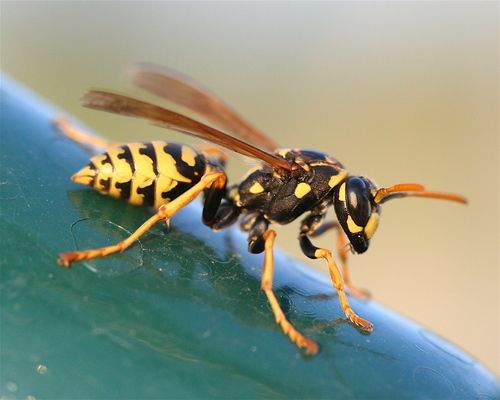
European Wasps
European wasps have distinctive bright yellow and black markings. They can be attracted to human food and drinks and are capable of stinging repeatedly.
Their nests are commonly concealed. In Victoria, European wasp nests are frequently found underground, but they can also occur inside walls, roof spaces and other protected building areas.
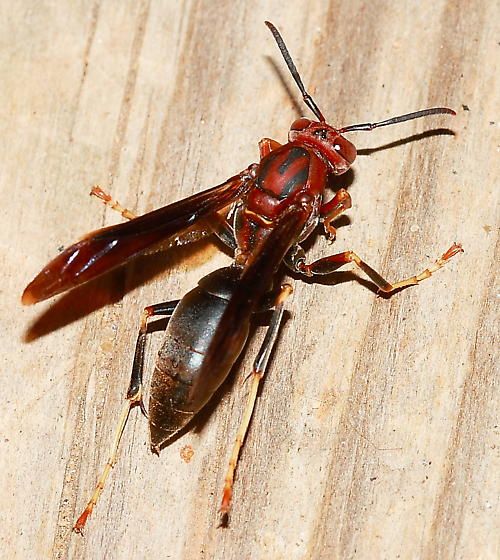
Paper Wasps
Paper wasps commonly build visible nests above ground. Their nests have exposed cells and may be attached beneath eaves or established around other protected structures.
Paper wasps generally defend the area around their nest when threatened.
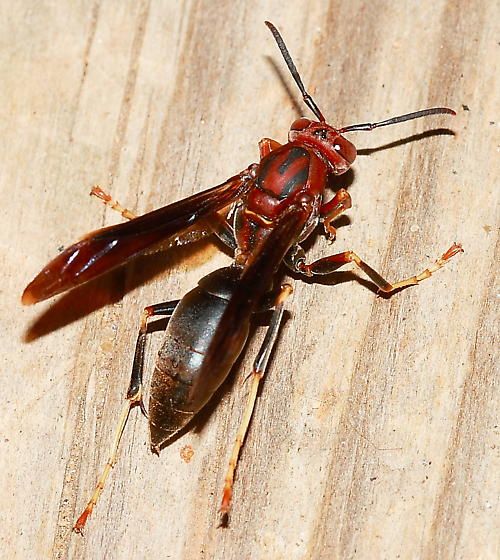
Native Wasps
Australia is also home to many native wasp species, most of which do not behave like European wasps.
This is why identification should come before treatment. Do not assume every flying yellow or brown insect around your home needs to be destroyed.
If you cannot confidently identify what you are seeing, photograph it from a safe distance rather than approaching the nest.
DIY Wasp Removal Or Needing A Professional
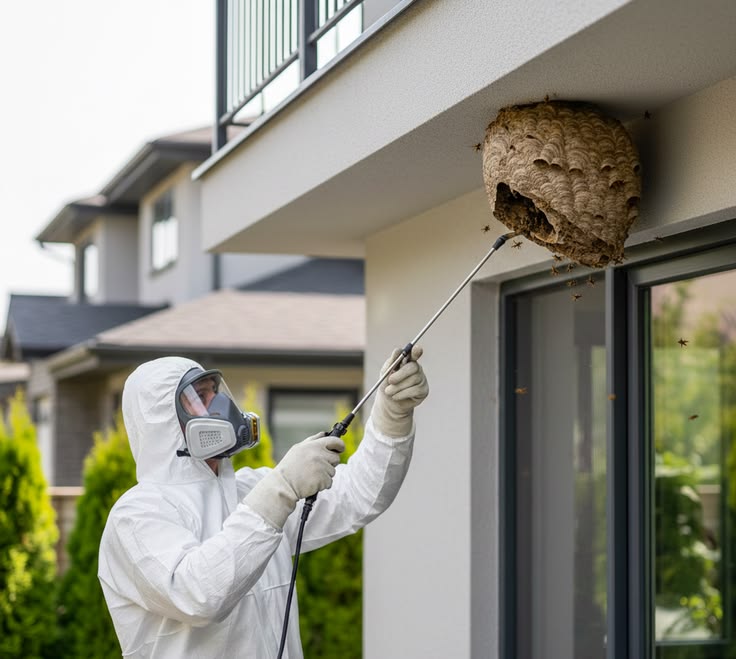
What Wasp Control Can Homeowners Do Themselves?
The most useful DIY wasp control is often prevention rather than nest treatment.
Keep outdoor rubbish bins securely closed and regularly remove food waste. Clean barbecue and outdoor dining areas after use and avoid leaving meat, sugary drinks or food scraps outside.
Pick up fallen fruit and avoid leaving uneaten pet food or bones around the yard.
Keep compost covered and pay attention to areas where wasps repeatedly gather around food or water.
At outdoor gatherings, keep food covered and be particularly careful with open drink cans and bottles. A wasp can enter a container without being immediately noticed.
These steps can reduce food sources attracting foraging wasps.
However, once you have identified repeated traffic to an established nest, DIY prevention and professional nest treatment become two different things.
When Do You Need Professional Wasp Removal?
Professional Wasp Removal Melbourne should be considered when you identify an active nest, repeatedly see wasps entering the same ground or building opening, or cannot safely determine where significant wasp activity is coming from.
Professional assistance is particularly important when the nest is near entrances, children’s play areas, outdoor entertaining spaces, paths or other frequently used parts of the property.
Concealed nests inside walls, roofs and retaining walls also require careful assessment.
You should not place yourself at risk trying to determine the size of a nest or how many wasps are inside.
A professional technician can assess the activity, identify the wasp where possible, determine where the nest is located and select an appropriate treatment method.
Effective Wasp Removal Melbourne is about controlling the nest responsible for the problem rather than simply killing individual wasps flying around your property.

What Should You Do Immediately If You Find a Wasp Nest?
The safest first response is to leave the nest alone.
Keep children and pets away from the area and warn other people at the property that a suspected nest has been located.
Do not hit the nest, spray it randomly, block the entrance, pour substances into it or attempt to dig out an underground nest.
Avoid mowing, whipper snipping, gardening or moving objects immediately around a suspected ground nest until the problem has been assessed.
If possible, observe activity from a safe distance and identify the location wasps are entering.
You do not need to see the entire nest. With European wasps, the actual nest may be underground or concealed inside a building.
When repeated wasp traffic indicates an established nest, professional Wasp Removal Melbournecan identify the activity and determine an appropriate treatment approach without the homeowner unnecessarily approaching the nest.
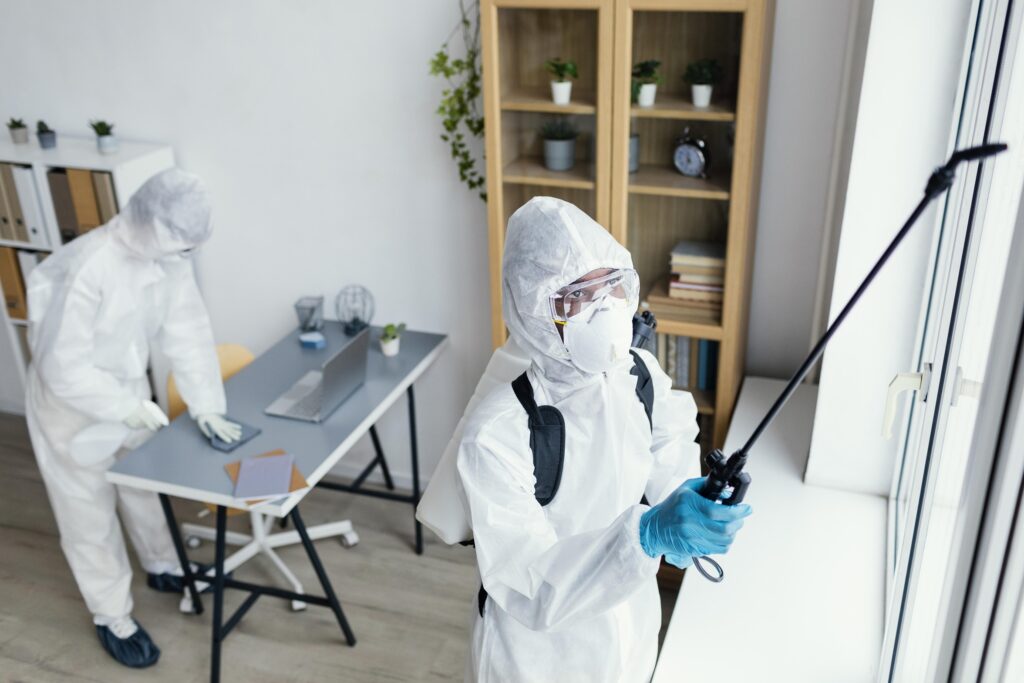
What Should You Do If a Wasp Is Inside Your Home?
One wasp entering your home does not necessarily mean you have a nest inside.
Keep children and pets away and avoid swatting at the wasp or attempting to catch it with your hands.
If it is safe to do so, opening an external door or window can provide an opportunity for the wasp to leave.
The situation becomes more significant when wasps repeatedly appear indoors.
Multiple wasps appearing around the same room, window, ceiling area or wall should be investigated because activity could potentially be associated with a concealed nest or building access point.
Look for patterns rather than immediately assuming the worst.
One accidental visitor and repeated indoor wasp activity are very different situations.
Four Things You Should NEVER Do Around a Wasp Nest
Do Not Disturb the Nest
Do not hit, shake, dig into or attempt to pull apart a wasp nest. Wasps can become defensive when their nest is threatened, increasing the risk of multiple stings.
Do Not Block the Entrance
Seeing wasps entering a hole does not mean you should immediately seal it. Blocking an active entrance without controlling the colony can create additional problems, particularly when the nest is located inside a wall, roof or other building cavity.
Do Not Stand Close to the Nest Trying to Identify It
You do not need a close-up photograph to confirm that repeated wasp traffic requires investigation. Observe from a safe distance and avoid standing directly near the entrance or in the wasps’ flight path.
With wasps, knowing what not to do can be just as important as knowing what action to take. If you suspect an established nest, keep people and pets away and consider professional Wasp Removal Melbourne.
Reduce Future Wasp Activity
We provide practical recommendations around food waste, rubbish, pet food, fallen fruit and other conditions that may attract foraging wasps around your property.
EcoSafe’s Wasp Removal Melbourne approach begins with identification and understanding the nest before determining the appropriate treatment.
EcoSafe's Four Step Wasp Removal Process
Step 1: Identify the Wasp Activity
We assess the activity around your property and identify the wasp species where possible before determining whether treatment is required.
Step 2: Locate the Nest
We investigate where wasps are travelling and identify the nest location where possible, including concealed ground, building and sheltered nesting areas.
Step 3: Apply Targeted Treatment
Treatment is selected according to the wasp species, nest location and surrounding property. The objective is to treat the colony responsible for the activity rather than simply individual wasps.
Step 4: Reduce Future Wasp Activity
We provide practical recommendations around food waste, rubbish, pet food, fallen fruit and other conditions that may attract foraging wasps around your property.
EcoSafe’s Wasp Removal Melbourne approach begins with identification and understanding the nest before determining the appropriate treatment.
What Should You Do If Someone Is Stung by a Wasp?
Move the person away from the area to reduce the risk of additional stings.
For a normal local reaction, wash the sting area and use a wrapped cold pack to help reduce pain and swelling.
Some people can experience a severe allergic reaction following an insect sting.
If the person develops difficulty breathing, swelling of the tongue or throat, wheezing, persistent dizziness, collapse or other signs of a severe allergic reaction, treat it as a medical emergency and call Triple Zero (000).
Anyone with a prescribed adrenaline injector should follow their individual emergency action plan.
Multiple wasp stings can also require urgent medical attention.
Do not remain near the nest while treating the person. Move to a safe location first.
How Can You Make Your Home Less Attractive to Wasps?
Long term wasp prevention starts with reducing easily available food.
Keep rubbish bins closed, clean food residue from outdoor entertaining areas and do not leave pet food or bones outside unnecessarily.
Collect fallen fruit and keep compost covered.
During barbecues and outdoor gatherings, cover food where possible and clean spills quickly, particularly sweet drinks.
Homeowners should also remain alert to developing nest activity around sheds, roof areas, retaining walls, gardens and other protected areas.
Prevention cannot guarantee that a wasp will never fly onto your property. European wasps can travel away from their nests while searching for food.
The objective is to make your property less rewarding for foraging wasps while recognising potential nesting activity early enough to take appropriate action.

Four Signs Wasp Treatment Is Working
Traffic Around the Nest Entrance Reduces
The regular stream of wasps entering and leaving the nest should begin reducing following effective treatment.
Fewer Wasps Are Seen Around Previous Hotspots
Areas where wasps were regularly gathering should become noticeably quieter.
Wasps Stop Returning to the Nest Location
Continued reduction in activity around the original nest area is an important indicator that control has been successful.
Activity Does Not Re Establish
The strongest sign is sustained improvement rather than wasp numbers briefly reducing and then returning.
Do not approach or open a treated nest yourself simply to check whether treatment has worked.
Your technician should explain what activity may be expected after treatment and whether any follow up assessment is required.
Industry-Leading Standards & Certifications
As industry leaders, we ensure our integrated pest management programs adhere to stringent standards.
We comply with reputable certifications and Food Safety Plan requirements, providing you with the assurance that your business meets the highest industry standards for food safety and pest control.
- HACCP
- WQA
- ISO
- Mondelez
Trusted by Local Businesses





Thank you Eco Safe will use again and wont hesitate to recommend them to our friends and neighbours.
Posted on GoogleAnil Raj AdhikariTrustindex verifies that the original source of the review is Google. Got then to come and get the appointment after a month What a joke I booked in for 11: am , followed back 11:30 come with the excuse . No punctuality . Waste my time to clear up the drawer and other stuff . Highly not recommend as don’t waste your time with them .They don’t value your time either .Posted on GoogleSusan LovegroveTrustindex verifies that the original source of the review is Google. Very efficient and friendly staff.Posted on GoogleRon CrellinTrustindex verifies that the original source of the review is Google. Great service on time will definitely use againPosted on GoogleRicardo SilvaTrustindex verifies that the original source of the review is Google. Joshua was very professional and did an amazing service. Highly recommendedPosted on GoogleShari LowndesTrustindex verifies that the original source of the review is Google. Amazing communication and very thorough with seeing to the entire property at a very reasonable ratePosted on GoogleKaye AsburyTrustindex verifies that the original source of the review is Google. Thank you to all at Eco Safe Pest control for your excellent service.Posted on GoogleSimone LTrustindex verifies that the original source of the review is Google. The guys are really thorough and customer-focussed. Was so impressed with Keegan, who really went out of his way to help me. Thoroughly recommend!Posted on GoogleA GeppertTrustindex verifies that the original source of the review is Google. We had Eco Safe treatment a few days ago & are already starting to see the results. Great communication, thorough explanation of the process, and such peace of mind with the 6 month guarantee. I'd definitely recommend Eco Safe.Posted on GoogleAmy CharlestonTrustindex verifies that the original source of the review is Google. Eco Safe are so responsive and friendly. They explained everything well and we felt confident choosing them as they had a big focus on keeping our animals safe while solving our ant problem.Posted on GoogleLindy de WijnTrustindex verifies that the original source of the review is Google. Friendly and professional
Frequently Asked Questions
Not necessarily. Wasps can travel away from their nest searching for food. However, repeated traffic entering and leaving the same hole or building opening is a much stronger indication that a nest may be present.
European wasp nests are commonly concealed. Many are established underground or close to ground level, although nests can also occur inside wall cavities, roof spaces and other sheltered areas.
Do not automatically seal an active entrance. The nest should first be identified and appropriately managed, particularly when wasps are entering a building cavity.
Consider professional Wasp Removal Melbourne when you identify repeated nest activity, cannot safely locate the source, find a nest near frequently used areas or suspect wasps are established inside the building.
100%
Eco-Safe Methods
Have an enquiry?
- 1300 852 339
- accounts@ecosafepestcontrol.com.au
- Melbourne and Greater Geelong