
Melbourne Homeowner’s Guide to Termites









What Are Termites and Why Are They a Serious Problem for Melbourne Homes?
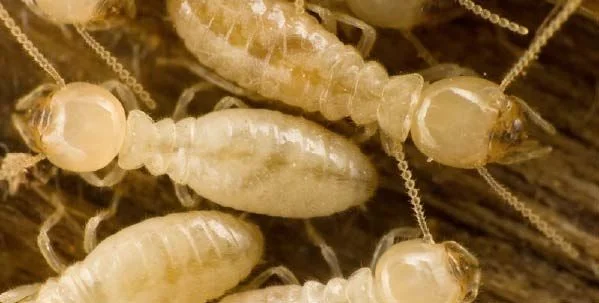
Termites are social insects that live in organised colonies containing different groups responsible for feeding, protecting and reproducing. Worker termites search for cellulose based materials, which include timber and other plant derived materials commonly found in and around residential properties.
The difficulty for homeowners is that termites generally prefer protected environments. Rather than moving openly across visible surfaces, subterranean termites can travel through soil and construct shelter tubes that maintain the conditions they need. Once they reach a building, they may continue feeding within concealed timber.
This means termite damage is not always immediately obvious. A piece of timber can appear relatively normal externally while sections inside have been consumed.
Termites are sometimes called white ants, but they are not ants. Understanding this distinction is important because termite colonies, behaviour and management are very different from common household ants. When termites are suspected, professional Termite Control Melbourne focuses on identifying the activity and understanding how termites are interacting with the property.
4 Health and Safety Risks Associated With Termite Problems
Weakened Floors and Structural Timber
Termite damage can weaken flooring, wall framing and other timber components, potentially creating unsafe areas within a seriously affected home.
Increased Risk of Trips, Falls and Injury
Damaged floorboards, stairs or timber supports can become unstable or deteriorate, increasing the risk of accidents if significant termite damage is left unresolved.
Moisture and Mould Related Concerns
Conditions that favour termites, particularly persistent moisture and water leaks, can also encourage mould growth, which may affect indoor air quality and cause irritation for some occupants.
Electrical and Building Safety Concerns
Extensive concealed termite activity can affect areas surrounding electrical wiring and building services. Significant or suspected structural damage should be professionally assessed rather than assumed to be cosmetic.
What Happens During a Professional Termite Inspection?
A professional termite inspection involves considerably more than searching the house for visible insects. The objective is to examine accessible areas of the building and surrounding property for evidence of termite activity, termite damage and conditions that may increase the risk of infestation.
The technician may inspect accessible internal areas, roof spaces, subfloors, external building perimeters, fences, landscaping timbers, trees and other relevant areas around the property. Particular attention can be given to moisture, timber to soil contact, potential concealed entry points and areas where previous activity or damage is suspected.
Homeowners should also understand that accessibility matters. Furniture, stored belongings, wall coverings, landscaping and construction features can restrict what can be inspected.
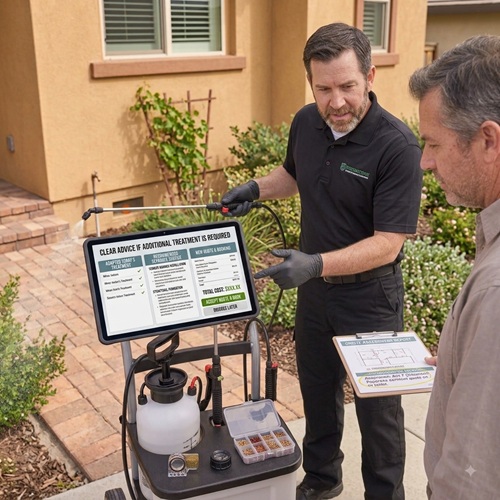
EcoSafe’s professional Termite Inspection Melbourne services are designed to give homeowners a clearer understanding of what is happening around their property. If evidence is identified, the findings can then help determine whether further investigation, treatment, monitoring or preventative changes are appropriate.
The Most Common Termite Species Found Around Melbourne Homes
Coptotermes acinaciformis
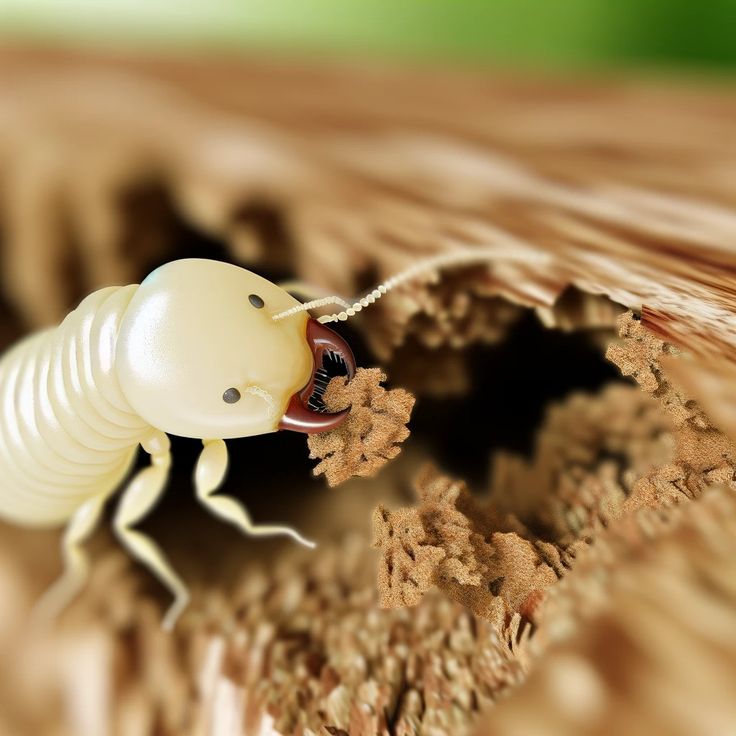
One of Melbourne’s most destructive termite species, Coptotermes acinaciformis can form large colonies and attack structural timber while remaining concealed. They travel through soil searching for food and can cause significant damage before homeowners become aware that termite activity is present.
Coptotermes frenchi
Common throughout Victoria, Coptotermes frenchi typically establishes colonies underground or within trees. These termites can travel from the nest to nearby homes searching for timber, meaning the main colony may be located outside the property even when active termites are discovered inside.
Nasutitermes exitiosus
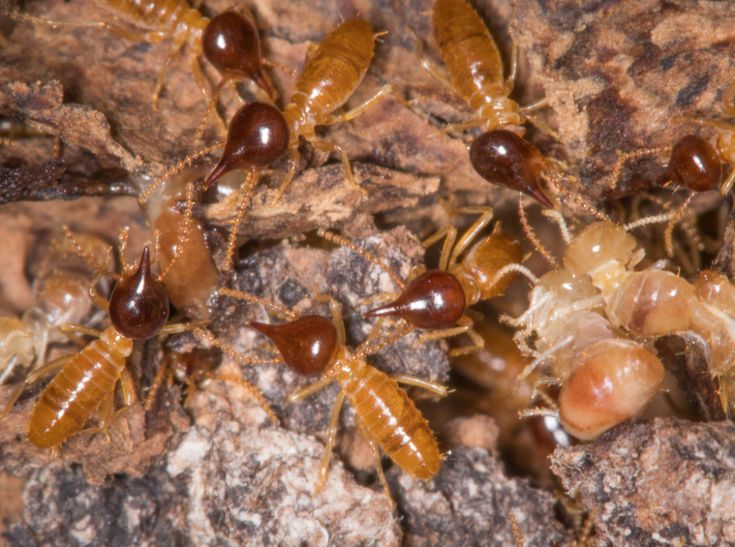
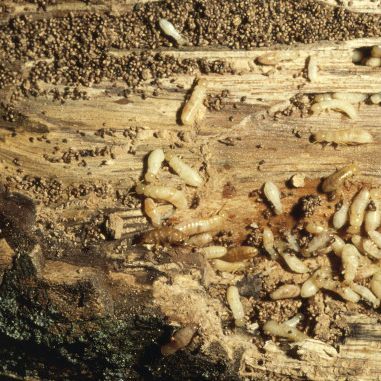
Nasutitermes exitiosus is a subterranean termite found throughout south eastern Australia and can sometimes be identified by distinctive mound nests. These termites can attack timber around homes, including structural materials, fences and landscaping timber, making professional identification important when activity is discovered.
Home Termite Control V Professional Termite Control

What DIY Termite Control Can Homeowners Safely Do?
DIY termite control should focus on reducing the conditions that can make your property attractive or accessible to termites, rather than attempting to treat an active colony yourself. Homeowners can repair leaking taps and pipes, improve drainage, reduce persistent moisture, keep gutters clear and ensure subfloor areas remain well ventilated.
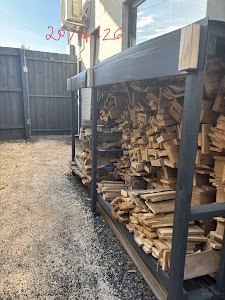
Remove unnecessary timber from around the house, avoid storing firewood against external walls and reduce direct timber to soil contact. Garden beds, mulch and soil should also avoid covering areas around the building that need to remain visible for termite inspection.
Regularly checking accessible timber, skirting boards, foundations and external areas can also help you notice changes earlier.
These preventative measures are valuable, but they are not a replacement for professional Termite Control Melbourne when termites are suspected. DIY prevention is about making your property less favourable to termites and making potential activity easier to identify.
When Do You Need Professional Termite Control?
Professional help should be arranged when you discover live termites, mud tubes, unexplained timber damage, hollow sounding timber, discarded termite wings or other suspicious changes around your home. You should also consider a professional inspection if your property has experienced previous termite activity or has conditions that make termite detection difficult.
Do not spray visible termites, break open affected timber or remove mud tubes before the property has been assessed. The termites you can see may represent only a small part of activity extending through concealed areas of the building or surrounding property.
Professional Termite Control Melbourne starts by determining whether termites are present, where activity is occurring and what conditions may be contributing to the problem. From there, an appropriate treatment and monitoring strategy can be recommended.
When active termites are suspected, inspection should come before DIY treatment.

I Think I Have Termites. What Should I Do and What Should I NEVER Do?
If you discover what appears to be active termites, the most important immediate action is surprisingly simple: leave the area as undisturbed as possible.
Do not spray the termites with household insecticide. Do not pour chemicals onto them, break open additional timber, remove mud tubes or start pulling damaged materials away to determine how far the problem extends.
Killing the termites you can see does not necessarily address the colony responsible for the activity. Disturbing the area can also cause termites to retreat from that particular location, making subsequent assessment more difficult.
Take note of exactly where the activity was found and avoid unnecessary interference with the surrounding area. You can photograph what you have discovered without disturbing it.
The next step should be arranging a professional inspection. Termite Control Melbourne should begin by identifying the activity, examining accessible areas of the property and determining an appropriate management approach rather than simply spraying the termites visible at the discovery point.

What Is the Number One Warning Sign of a Pest Infestation?
The biggest warning sign is recurring pest activity. Seeing ants, cockroaches, rodents or other pests repeatedly, particularly in the same areas, can indicate an established problem. If activity continues after cleaning and removing food sources, professional Pest Control Melbourneshould be considered.
4 Signs Your Termite Treatment Is Working
Termite Activity Begins to Reduce
Following treatment, visible termite activity should begin reducing over time. Depending on the treatment method used, this may happen gradually as termites interact with treated areas, baiting systems or other professional termite management measures.
No New Termite Damage Appears
A positive sign is the absence of new termite damage in previously affected or monitored areas. Existing damage will remain visible, so ongoing inspections are important for determining whether further deterioration or fresh activity is occurring.
Monitoring Shows Reduced Colony Activity
Professional termite treatments often involve ongoing monitoring. Reduced activity within bait stations, treated areas or previously active locations can indicate that the termite management strategy is having the intended effect and colony activity is declining.
Follow Up Inspections Find No Active Termites
One of the strongest indicators is a professional follow up inspection finding no active termites in previously affected areas. Continued inspections remain important because successful treatment does not prevent another termite colony from approaching the property later.
How Are Termites Treated and Can the Entire Colony Be Eliminated?
There is no single termite treatment that should automatically be applied to every Melbourne property. The appropriate approach depends on factors including where activity is located, how termites are entering the building, the construction of the home and the extent and nature of the infestation.
Professional termite management may involve termite baiting systems, dust treatments, liquid treatments, treated soil zones, physical termite management systems or a combination of approaches depending on the circumstances.
Some treatment strategies are designed to affect termites beyond the individuals visible at a particular location, while others create treated zones intended to manage termite access to the building.
This is another reason homeowners should avoid treating visible termites themselves. The insects you discover may represent only a small part of a much larger colony and foraging network.
Effective Termite Control Melbourne begins with understanding the individual property and termite activity before determining the appropriate treatment strategy, monitoring requirements and longer term protection plan.
Fix Moisture and Water Leaks
Repair leaking taps, pipes, gutters and drainage problems quickly. Reducing persistent moisture around your home helps remove conditions that can attract termites.
Keep Timber Away From Soil
Avoid direct timber to soil contact around your property. Store firewood, building materials and unused timber above ground and away from your home.
Keep Your Home’s Perimeter Clear
Avoid covering external walls with garden beds, soil, mulch or stored materials. Keeping these areas visible makes potential termite activity easier to identify.
Arrange Regular Termite Inspections
Professional termite inspections can identify concealed activity, timber damage and risk factors before obvious problems develop, helping protect your Melbourne home long term.
How Can You Protect Your Melbourne Home From Future Termite Problems?
You cannot make a Melbourne property completely immune to termites, but you can reduce conditions that make termite access and activity easier to establish or harder to detect.
Start with moisture. Repair leaking plumbing, address poor drainage, keep gutters functioning correctly and investigate persistent dampness around the building or subfloor. Avoid allowing timber to remain in direct contact with soil where possible, and do not store firewood or unused building timber directly against your home.
Consider your landscaping as well. Garden beds, mulch, soil levels and stored materials should not unnecessarily conceal areas around the building that need to remain visible for inspection.
Most importantly, do not rely on the absence of visible termites as proof that nothing is happening.
Good termite management combines homeowner awareness, property maintenance and professional inspections appropriate to the property’s individual risk. If you notice suspicious timber damage, mud tubes, termite activity or unexplained changes around your home, arranging professional Termite Control Melbourne early can help establish exactly what is happening before deciding what needs to happen next.

Our Eco Safe Pest Control Approach
At Eco Safe Pest Control, we prioritise the health and safety of your family while protecting the environment. Our treatments are designed to deliver strong and effective ant control using low toxicity, responsible products that keep your home and surroundings safe.
Thorough Termite Inspections
We carefully inspect accessible areas of your home to identify termite activity, damage, potential entry points and conditions that may be contributing to the problem.
Identify Before We Treat
Every termite problem is different. We first establish what is happening around your property before recommending the most appropriate termite treatment and management approach.
Targeted Termite Treatments
Our Termite Control Melbourne approach uses targeted treatment methods based on the termite activity, property construction and inspection findings rather than applying unnecessary treatments throughout your home.
Ongoing Monitoring and Prevention
Termite management does not finish with treatment. We provide practical prevention advice and ongoing monitoring recommendations to help homeowners reduce conditions that could contribute to future termite activity.
Industry-Leading Standards & Certifications
As industry leaders, we ensure our integrated pest management programs adhere to stringent standards.
We comply with reputable certifications and Food Safety Plan requirements, providing you with the assurance that your business meets the highest industry standards for food safety and pest control.
- HACCP
- WQA
- ISO
- Mondelez
Trusted by Local Businesses





Thank you Eco Safe will use again and wont hesitate to recommend them to our friends and neighbours.
Posted on GoogleAnil Raj AdhikariTrustindex verifies that the original source of the review is Google. Got then to come and get the appointment after a month What a joke I booked in for 11: am , followed back 11:30 come with the excuse . No punctuality . Waste my time to clear up the drawer and other stuff . Highly not recommend as don’t waste your time with them .They don’t value your time either .Posted on GoogleSusan LovegroveTrustindex verifies that the original source of the review is Google. Very efficient and friendly staff.Posted on GoogleRon CrellinTrustindex verifies that the original source of the review is Google. Great service on time will definitely use againPosted on GoogleRicardo SilvaTrustindex verifies that the original source of the review is Google. Joshua was very professional and did an amazing service. Highly recommendedPosted on GoogleShari LowndesTrustindex verifies that the original source of the review is Google. Amazing communication and very thorough with seeing to the entire property at a very reasonable ratePosted on GoogleKaye AsburyTrustindex verifies that the original source of the review is Google. Thank you to all at Eco Safe Pest control for your excellent service.Posted on GoogleSimone LTrustindex verifies that the original source of the review is Google. The guys are really thorough and customer-focussed. Was so impressed with Keegan, who really went out of his way to help me. Thoroughly recommend!Posted on GoogleA GeppertTrustindex verifies that the original source of the review is Google. We had Eco Safe treatment a few days ago & are already starting to see the results. Great communication, thorough explanation of the process, and such peace of mind with the 6 month guarantee. I'd definitely recommend Eco Safe.Posted on GoogleAmy CharlestonTrustindex verifies that the original source of the review is Google. Eco Safe are so responsive and friendly. They explained everything well and we felt confident choosing them as they had a big focus on keeping our animals safe while solving our ant problem.Posted on GoogleLindy de WijnTrustindex verifies that the original source of the review is Google. Friendly and professional
Frequently Asked Questions
DIY measures can help reduce termite risk, but treating an active infestation yourself is not recommended. Termites can remain concealed within timber, walls and soil. Professional Termite Control Melbourne can identify the extent of activity before determining the appropriate treatment. property.
Killing visible termites does not necessarily eliminate the colony. Spraying termites may cause activity to move away from the disturbed area while the wider infestation remains. If you find live termites, avoid spraying them and arrange a professional inspection.
Not before the area has been professionally assessed. Removing or breaking open affected timber can disturb active termites and make it more difficult to determine what is happening. Leave suspicious areas intact and arrange Termite Control Melbourne before beginning repairs. beginning repairs. external walls. Maintaining accessible areas around your home can also make potential termite activity easier to identify.
Not before the area has been professionally assessed. Removing or breaking open affected timber can disturb active termites and make it more difficult to determine what is happening. Leave suspicious areas intact and arrange Termite Control Melbourne before beginning repairs. beginning repairs. external walls. Maintaining accessible areas around your home can also make potential termite activity easier to identify.
Have an enquiry?
- 1300 852 339
- accounts@ecosafepestcontrol.com.au
- Melbourne and Greater Geelong