
Key Takeaways
- Regular pest inspections help prevent infestations in office buildings by identifying risks early before they disrupt daily operations.
- Pests in offices can impact employee health, safety, and productivity while also damaging infrastructure and business assets.
- Proactive inspections support compliance with workplace health standards and are more effective than reactive pest treatments.
- Professional inspections and IPM approaches protect business reputation, maintain a healthy work environment, and provide long-term pest prevention.
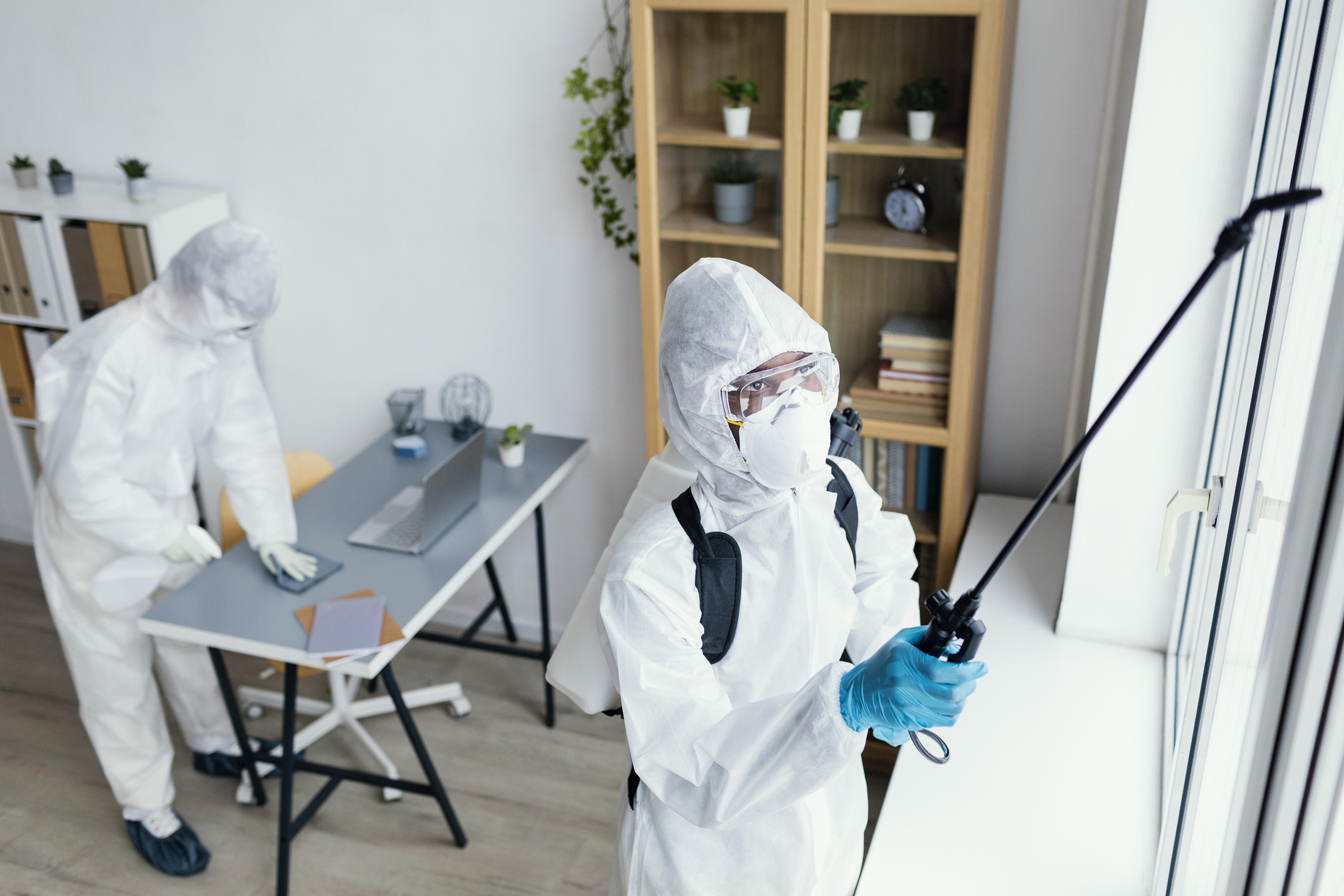
Office buildings are busy environments where people work, collaborate, and share facilities every day. With constant foot traffic, shared kitchens, storage areas, and ventilation systems, offices can easily attract pests without anyone noticing. This is why regular pest inspections are an essential part of maintaining a safe and professional workplace. Many businesses already rely on commercial pest control to help identify risks early and prevent pest issues from disrupting daily operations.
Regular inspections focus on prevention rather than reaction. They help detect early signs of activity, reduce health risks, and protect the building, employees, and reputation of the business. Below, we explain why pest inspections play such an important role in office environments and how they support long-term workplace safety.
Pest Inspections and Office Building Health
Office buildings provide ideal conditions for pests. Warm indoor temperatures, access to food and water, and hidden spaces such as ceiling voids and storage rooms make offices appealing to insects and rodents. Even well maintained workplaces can experience pest activity if inspections are not carried out regularly.
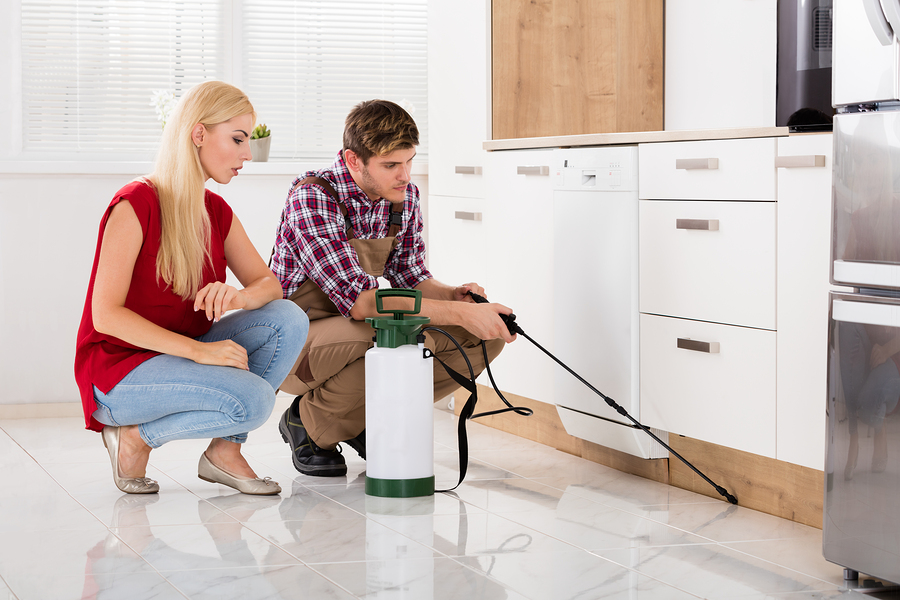
Routine pest inspections help identify problem areas before pests become established. Inspectors assess high-risk zones such as kitchens, bathrooms, waste disposal areas, and entry points. By addressing small issues early, businesses can avoid large infestations that require more time and cost to resolve.
Maintaining a pest free environment also contributes to a healthier workspace, supporting employee wellbeing and overall building hygiene.
Common Pests Found in Office Buildings
Several pests are commonly found in office environments due to food availability and shelter. Rodents are often attracted to kitchens, storage areas, and wall cavities. Cockroaches prefer warm, dark areas such as behind appliances and inside cupboards. Ants frequently appear in break rooms, while flies are drawn to waste areas and food scraps.
Spiders may also inhabit offices, especially in unused corners or ceiling spaces. In some buildings, termites can pose a risk if moisture issues or timber structures are present. These pests often go unnoticed at first, which is why inspections are critical.
Regular monitoring helps identify which pests are present and how they are entering the building, allowing for targeted solutions rather than general treatments.
How Pest Activity Affects Employee Health and Safety
Pests are more than a nuisance. They can directly affect employee health and safety. Rodents and cockroaches are known to carry bacteria and pathogens that contaminate surfaces, food areas, and equipment. Their droppings and shed skin can trigger allergies and respiratory issues, particularly in enclosed office environments.
Flies can spread bacteria between waste areas and kitchens, while rodents can chew electrical wiring, increasing the risk of fire hazards. When pests are present, employees may feel uncomfortable, distracted, or anxious, which can impact productivity and morale.
Regular pest inspections help minimise these risks by ensuring early detection and timely action before health concerns arise.
Pest Inspections and Workplace Compliance
Office buildings are required to meet health and safety standards, especially in shared workplaces, government offices, and commercial properties. Pest infestations can lead to compliance issues, failed audits, or complaints from staff and visitors.
Regular inspections help businesses stay aligned with workplace regulations and industry expectations. Inspectors document findings, identify risk areas, and recommend preventive measures to support ongoing compliance. This proactive approach reduces liability and demonstrates a commitment to maintaining a safe work environment.
In regulated industries, inspections also provide essential records that show pest management procedures are in place and maintained consistently.
Preventing Damage to Office Infrastructure and Assets
Pests can cause significant damage to office buildings and equipment. Rodents are known for chewing through electrical wiring, insulation, and furniture. This can result in costly repairs, equipment failure, or safety hazards. Termites, if present, can weaken timber structures over time.
Paper documents, packaging, and stored materials are also vulnerable to pest damage. In offices with storage rooms or archives, undetected infestations can destroy important records.
Regular inspections help protect these assets by identifying activity early and addressing potential entry points or nesting areas before damage occurs.
Why Regular Inspections Work Better Than Reactive Treatments
Waiting until pests are visible often means the problem has already escalated. Reactive treatments may temporarily reduce pest numbers, but they rarely address the root cause. Inspections, on the other hand, focus on prevention and monitoring.
By identifying entry points, food sources, and environmental conditions, inspections support long term pest management. They also allow treatment plans to be adjusted based on seasonal changes, occupancy levels, and building use.
This proactive approach aligns closely with seasonal pest control strategies, which recognise that pest activity fluctuates throughout the year and requires ongoing attention.
Integrated Pest Management in Office Environments
Many office buildings now use Integrated Pest Management to control pests responsibly. IPM combines inspection, monitoring, sanitation, and targeted treatment to reduce pest populations with minimal environmental impact.
Inspections are the foundation of IPM. They provide the data needed to determine when action is required and which methods will be most effective. IPM prioritises exclusion, hygiene, and behavioural changes before considering treatments.
This approach also supports the use of eco friendly methods, which are especially important in workplaces where employee safety and air quality are a priority.
Protecting Business Reputation and Client Confidence
A pest sighting in an office can quickly damage a business’s reputation. Clients, partners, and visitors expect professional workplaces to be clean and well maintained. Even a single incident can create a negative impression that affects trust and credibility.
Regular pest inspections help maintain a professional image by reducing the risk of visible pest activity. They also show that the business takes hygiene, safety, and responsibility seriously.
In shared or high traffic office buildings, inspections provide peace of mind that potential issues are being managed before they become noticeable or disruptive.
Professional Pest Inspections for Office Buildings
Regular pest inspections are an investment in workplace safety, compliance, and long term cost savings. Professional inspections identify risks early, support preventive strategies, and ensure pest activity is managed discreetly and effectively.
For businesses seeking consistent monitoring and tailored solutions, working with a provider that understands commercial environments is essential. Our commercial pest services focus on prevention, eco conscious methods, and ongoing protection designed specifically for office buildings.
By scheduling routine inspections, businesses can maintain a healthier workplace, protect their assets, and avoid unexpected disruptions caused by pest issues.