
Key Takeaways
- Many pest infestations remain hidden for months, so waiting until you see pests often leads to higher damage and treatment costs.
- DIY sprays may remove visible insects, but professional pest control targets the source colony and prevents repeat infestations.
- Eco friendly pest control methods are effective and provide safer long term protection for homes and businesses.
- Ongoing inspections and preventative treatment are essential because pest control is not a one time fix but a continuous process.
Pest control is one of those services that many homeowners and business owners only think about when a problem becomes obvious. Unfortunately, there are several common myths that can delay action and allow infestations to spread. Whether you manage a workplace or your family home, relying on misinformation can lead to unnecessary structural damage, hygiene risks, and higher costs. Understanding the facts about pest control is essential for both commercial pest control and domestic pest control, where early detection and preventative treatment make all the difference.
Below, we break down some of the most common pest control myths and explain what homeowners and property managers should know instead.
Why Pest Control Myths Can Be Costly
Pest infestations are often silent in the early stages. Rodents nest in roof cavities, ants build colonies inside wall cavities, and cockroaches hide behind appliances and cupboards. By the time visible signs appear, damage may already be extensive.
Believing common misconceptions can result in:
- Delayed inspections
- Increased structural damage
- Greater hygiene risks
- More complex and costly treatment
Professional pest inspection is not just about eliminating visible pests. It is about identifying entry points, detecting hidden nesting areas, and preventing long-term property damage.
Myth 1: “If I Don’t See Pests, I Don’t Have a Problem”
One of the most widespread myths is that pests are only a concern if they are visible during the day. In reality, many pests are nocturnal or prefer to stay hidden.
The Reality of Silent Infestations
Rodents, cockroaches, silverfish, and ants often operate out of sight. They may nest in:
- Roof spaces and ceiling cavities
- Subfloors and foundations
- Behind walls and cabinetry
- Storage areas and garages
Homeowners might only notice subtle signs such as droppings, scratching noises, damaged insulation, or unusual odours. These are often early indicators of a developing infestation.
Ignoring these signs can allow colonies to grow and spread. Early inspection and preventative pest management are far more effective than reactive treatment once the infestation becomes severe.
Myth 2: “DIY Sprays Are Just as Effective as Professional Treatment”
DIY pest control products are widely available, and while they may provide temporary relief, they rarely address the root of the problem.
Surface sprays typically eliminate visible insects but do not target nesting areas or breeding sites. Colonies continue to reproduce, and infestations return within weeks.
Understanding the difference between DIY vs professional pest control can help property owners make informed decisions.
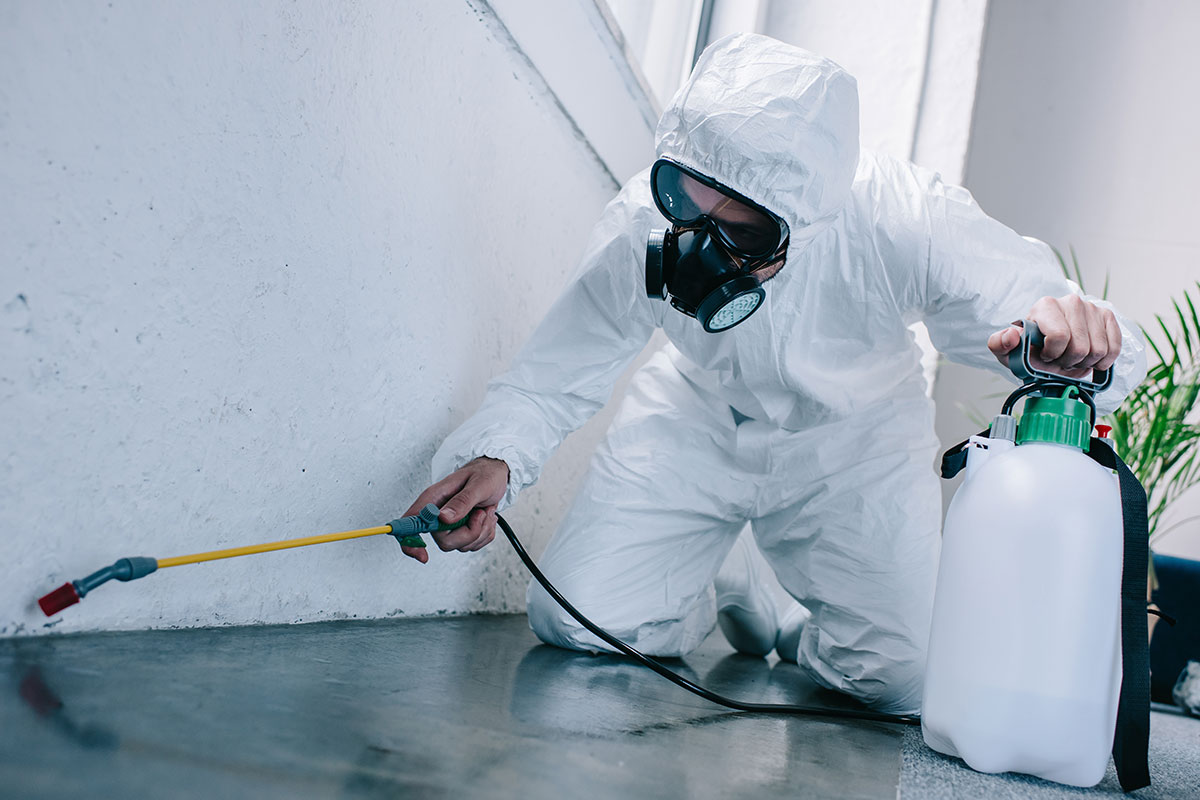
Professional pest control involves:
- Detailed inspection of the property
- Identification of pest species
- Targeted baiting systems
- Safe, low-toxicity treatments
- Long-term prevention strategies
By addressing the source colony and eliminating entry points, professional treatment reduces the risk of reinfestation and provides greater peace of mind.
Myth 3: “Eco-Friendly Pest Control Doesn’t Work”
Some people assume that environmentally responsible treatments are less effective than traditional chemical-heavy solutions. This is simply not true.
Modern eco-safe pest control uses advanced formulations that are both effective and designed to minimise impact on families, pets, and the surrounding environment.
For homeowners interested in safer alternatives, there are several eco-friendly pest control methods that can support preventative efforts.
Low-toxicity treatments are carefully applied to target pests without unnecessary exposure. When used by trained professionals, these methods balance effectiveness with safety, making them suitable for residential and commercial environments alike.
The goal is not just elimination, but long-term protection with minimal environmental disruption.
Myth 4: “Pests Only Infest Dirty Homes”
Another common misconception is that pest infestations are the result of poor hygiene. While food debris can attract certain pests, cleanliness alone does not guarantee protection.
Pests are primarily attracted to:
- Moisture and water sources
- Warm shelter and nesting areas
- Structural gaps and entry points
- Nearby infestations in neighbouring properties
Even well-maintained homes can experience pest problems, particularly during seasonal changes when rodents and insects seek warmth and shelter indoors.
Focusing solely on cleaning without addressing structural vulnerabilities can lead to repeated infestations. Sealing cracks, repairing damaged screens, and scheduling routine inspections are equally important.
Understanding common pest prevention mistakes can help homeowners avoid assumptions that leave properties vulnerable.
Myth 5: “Once Treated, Pests Never Return”
Many people believe that a single pest control treatment permanently solves the issue. While professional treatment significantly reduces infestations, ongoing prevention is still necessary.
Environmental factors, neighbouring properties, and structural changes can reintroduce pest activity. For example, heavy rainfall may drive rodents indoors, or seasonal breeding cycles may increase insect populations.
Effective pest control is an ongoing process that includes:
- Routine inspections
- Monitoring high-risk areas such as roof cavities
- Sealing entry points
- Maintaining gutters and drainage systems
- Implementing preventative treatment plans
Long-term pest management focuses on protection rather than one-time elimination.
Myth 6: “Bed Bugs Only Exist in Hotels”
Bed bugs are often associated with travel and hotel rooms, but they can infest any residential or commercial property. They spread through luggage, clothing, furniture, and shared spaces.
Ignoring early signs can allow infestations to spread rapidly. While they do not cause structural damage like rodents or termites, they create significant discomfort and hygiene concerns.
Early identification and professional treatment are critical in preventing widespread infestation.
The Importance of Professional Inspection
Pest infestations are rarely isolated incidents. Rodents, cockroaches, ants, and other pests often enter through unnoticed structural gaps. Without proper inspection, these entry points remain open, allowing recurring infestations.
Professional pest control technicians assess:
- Roof cavities and insulation
- Subfloor areas
- Wall voids
- Moisture-prone spaces
- Entry points around windows and doors
This thorough approach ensures that treatment addresses the root cause rather than just the symptoms.
Low-toxicity, environmentally conscious methods allow families and businesses to maintain safety while protecting their property.
Making Informed Pest Control Decisions
Believing pest control myths can delay action and increase long-term risks. Silent infestations often cause structural damage, electrical hazards, and hygiene concerns before visible signs appear.
Whether you manage a workplace environment or your family home, proactive pest management is the most effective approach. Professional inspection, targeted treatment, and ongoing prevention create a safer and healthier property.
Reliable commercial pest control services support businesses in maintaining compliance and hygiene standards, while tailored domestic pest control solutions help homeowners protect their property and loved ones.
By separating myths from facts and choosing responsible, eco-conscious treatment options, you can safeguard your home or business from unnecessary damage and ensure long-term protection.