
Key Takeaways
- Proper preparation before pest control helps treatments reach the right areas and improves overall effectiveness.
- Eco safe pest control works gradually so seeing pest activity after treatment is normal and expected.
- Following aftercare instructions and avoiding early cleaning helps prevent pests from returning.
- Long term pest protection relies on good hygiene habits home maintenance and professional follow up when needed.
Preparing for pest control and knowing what to do afterward plays a major role in how effective the treatment will be. Many homeowners focus only on the service itself, but the steps taken before and after can significantly influence long-term results. When working with professional home pest control services, proper preparation helps treatments work more efficiently and reduces the risk of pests returning.
This guide explains what to expect before and after pest control, why these steps matter, and how to support lasting protection using safe and eco friendly practices.
Why Preparation and Aftercare Matter
Pest control is not a one-step solution. Treatments are designed to target pests at different stages of their lifecycle, which means preparation and aftercare are essential for success. Skipping important steps can limit the effectiveness of treatments or cause infestations to return sooner than expected.
Eco safe pest control relies on strategic placement, monitoring, and targeted solutions rather than heavy chemical use. This makes homeowner involvement even more important, as simple actions like cleaning correctly or avoiding early disruption can make a noticeable difference in results.
How Pest Control Treatments Work
Professional pest control focuses on identifying pest activity, applying targeted treatments, and preventing future infestations. Eco safe methods are designed to work gradually by disrupting pest behaviour and breeding patterns instead of offering instant knockdown effects.
This approach means you may still see pest activity shortly after treatment. That activity is normal and often indicates the treatment is working. Understanding this process helps set realistic expectations and prevents unnecessary concern after a service.
Essential Steps to Take Before Pest Control
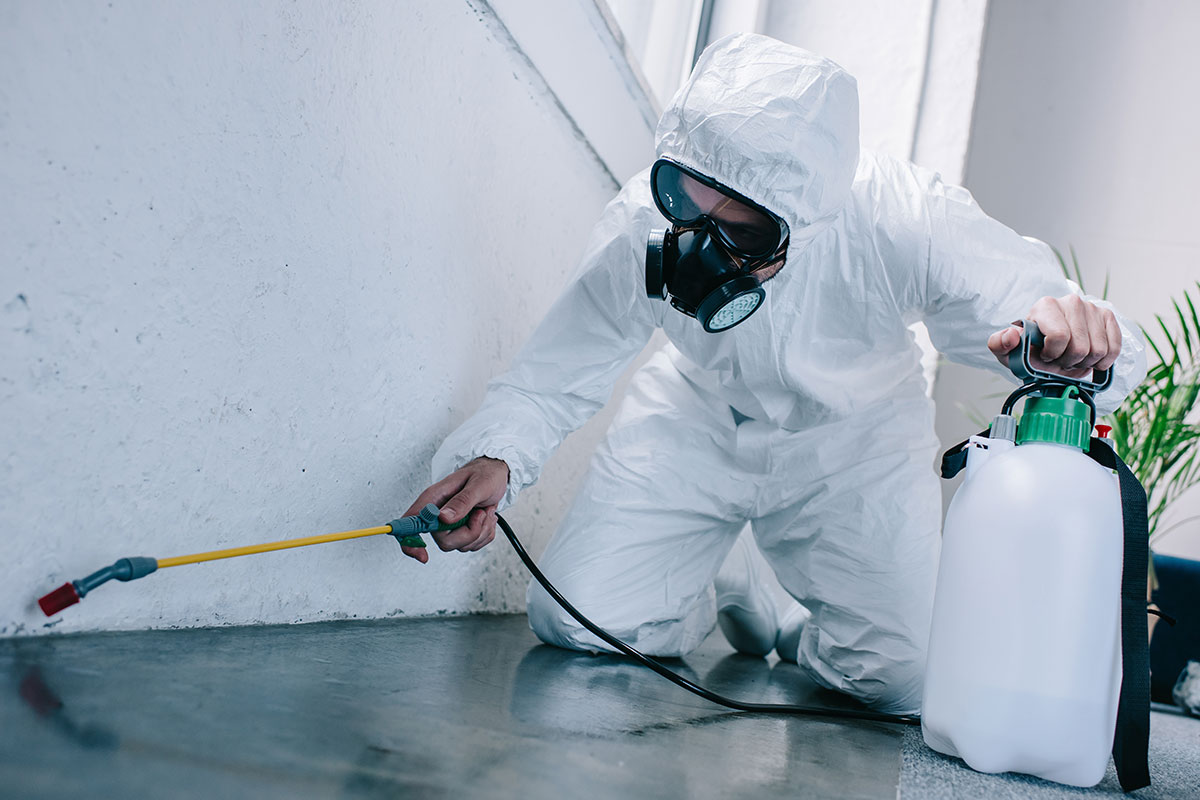
Preparing your home properly ensures technicians can apply treatments safely and effectively. Before your appointment, focus on access, cleanliness, and reducing obstacles that may block treated areas.
Clear floor spaces, cupboards, and corners where pests are active. Move small furniture or items away from walls if advised. Make sure technicians can reach areas such as skirting boards, sinks, and entry points. Proper preparation allows treatments to reach their intended targets without interference.
Cleaning and Decluttering Guidelines Before Treatment
Cleaning before pest control is important, but over-cleaning can reduce effectiveness. The goal is to remove attractants without disturbing pest activity zones.
Wipe down kitchen surfaces, remove crumbs, and store food in sealed containers. Take out rubbish and clean bins to reduce odours. Avoid deep cleaning areas where treatments will be applied, such as skirting boards or cracks, as this may remove important scent trails that help control pests.
Reducing clutter is equally important. Piles of paper, cardboard boxes, and stored items create hiding spots for pests. A tidy space helps technicians identify problem areas and improves treatment reach.
Preparing Your Family, Pets, and Belongings
Safety is a key priority with eco safe pest control, but some preparation is still required. Pets should be kept away from treated areas during the service and only returned once advised. Remove pet bowls, toys, and bedding from treatment zones.
Store food items securely and cover utensils where necessary. Children’s toys, bedding, and frequently used items should be kept clear of treatment areas. These steps help ensure treatments remain effective while keeping your household safe and comfortable.
What to Expect Immediately After Pest Control
It is common to notice increased pest activity shortly after treatment. This happens as pests come into contact with treated areas and is a normal part of the process. Activity should gradually decrease over the following days.
Ventilate treated areas as advised, but avoid cleaning or wiping treated surfaces too soon. Opening windows can help freshen the space without affecting results. If you are unsure what is normal after treatment, information about pest control benefits can help explain how treatments continue working beyond the initial visit.
Aftercare Steps to Maintain Long-Term Protection
Aftercare plays a major role in preventing reinfestation. Follow all post-treatment instructions carefully, especially regarding cleaning timelines. Some areas may need to remain untouched for a specific period to allow treatments to remain active.
Continue good hygiene practices such as regular cleaning, proper food storage, and waste management. Outdoor maintenance also matters. Keep gardens trimmed, remove standing water, and ensure entry points remain sealed.
Supporting treatments with ongoing habits and eco friendly methods helps strengthen long-term protection without relying on harsh products.
Common Mistakes Homeowners Should Avoid
One of the most common mistakes is cleaning treated areas too soon. This can remove active ingredients and reduce effectiveness. Using DIY sprays after professional treatment can also interfere with results and cause pests to scatter.
Ignoring follow-up advice or assuming one visit solves all pest problems is another issue. Pest control is often part of an ongoing prevention strategy, especially during warmer months. Blocking treated entry points or moving items back too quickly can also limit results.
Avoiding these mistakes helps treatments work as intended and reduces the need for repeat services.
When to Contact Pest Control Again
Pest control does not always end with one visit. Some situations require follow-up treatments, monitoring, or additional inspection. Signs such as continued pest activity after the expected timeframe, new entry points, or seasonal changes may indicate further support is needed.
Understanding when professional help is required can prevent small issues from becoming major infestations. Guidance around professional support helps homeowners recognise when it is time to act.
Supporting Long-Term Pest Protection for Your Home
Successful pest control is a combination of professional treatment, preparation, and ongoing care. By following the correct steps before and after treatment, you improve results and reduce the risk of pests returning.
For homeowners looking for added reassurance, modern solutions like digital monitoring can help track activity and support early intervention. These services work alongside eco safe treatments to provide long-term peace of mind.
Eco Safe Pest Control is committed to safe, effective solutions that protect your home, family, and environment throughout every season.