
How Melbourne Homeowners Can Avoid Unwanted Pests This Summer
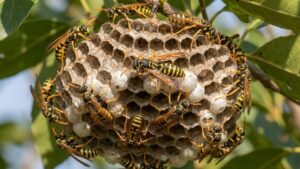
Summer in Melbourne means warmer weather, longer days, outdoor entertaining and more time with doors and windows open. Unfortunately, these conditions can also lead to increased pest activity around your home.
Ants searching for food and water, cockroaches hiding around kitchens, spiders appearing around outdoor areas, mosquitoes breeding near standing water and wasps establishing nests can quickly become unwanted summer problems.
The best approach to Pest Control Melbourne is not simply waiting until pests become established. Understanding what attracts pests to your property and removing these conditions early can significantly reduce the risk of an infestation.
Here are some of the most important steps Melbourne homeowners can take to help keep unwanted pests away this summer.
Why Pest Activity Increases During Melbourne Summers
Warm conditions can increase the activity of many common household pests. At the same time, summer changes how Melbourne homeowners use their properties.
Doors and windows stay open longer, BBQs and outdoor entertaining become more frequent, gardens require additional watering and food or pet bowls may be left outside.
These conditions can provide pests with three things they are constantly searching for: food, water and shelter.
Rain followed by warmer weather can also create moisture around gardens, gutters and outdoor areas. During hot and dry periods, pests may move closer to homes searching for reliable water sources.
Good Pest Control Melbourne therefore starts by understanding why pests are being attracted to your property rather than simply reacting when they appear.
Remove Food Sources From Around Your Home
Food is one of the biggest reasons pests enter residential properties.
Crumbs underneath appliances, dirty BBQs, overflowing rubbish bins, uncovered food and pet bowls can all provide pests with an easy meal.
During summer, keep kitchen benches clean and periodically clean underneath your fridge, oven and other appliances. Store dry foods such as flour, cereal, rice and pet food inside sealed containers wherever possible.
Outdoor entertaining areas also require attention.
Clean BBQ plates, tables and surrounding areas after use and remove dropped food before leaving the area overnight.
Rubbish bins should close correctly and should be cleaned if food residue begins accumulating inside.
Removing accessible food does not guarantee pests will disappear, but it eliminates one of the main reasons ants, cockroaches, rodents and other pests are attracted to your home.
Reduce Water and Moisture Around Your Property
Food is only part of the equation. Pests also need water.
Leaking taps, dripping pipes, damp cupboards, blocked drains and water collecting underneath pot plants can create ideal conditions for pest activity.
Inspect kitchens, bathrooms and laundries for signs of persistent moisture. Check underneath sinks and around plumbing connections for leaks or damp areas.
Outside, inspect garden taps, irrigation systems, drains and areas where water regularly pools.
Persistent moisture around the house can also create conditions favourable to termites, particularly when combined with timber or other conducive conditions.
Fixing moisture problems is therefore an important part of preventative Pest Control Melbourne and general property maintenance.
Remove Standing Water to Reduce Mosquito Activity
Mosquitoes need water to complete their breeding cycle, and surprisingly small amounts of standing water can become potential breeding areas.
Check your property for buckets, plant saucers, children’s toys, blocked gutters, bird baths and containers capable of holding rainwater.
Empty unnecessary water and store containers upside down where practical.
Gutters should also be kept clear so rainwater can drain properly rather than sitting amongst leaves and debris.
If you have rainwater tanks, pools or other permanent water sources, ensure they are correctly maintained.
Walking around your property after rain is an easy way to identify areas where water is collecting that you might otherwise overlook.
Stop Pests Finding Their Way Inside
A clean home can still experience pest problems if insects and rodents have easy access.
Inspect the outside of your house for damaged flyscreens, gaps underneath doors, cracks around windows and openings where pipes or utilities enter the building.
Garages also deserve attention. Gaps around garage doors and internal access doors can provide another pathway towards living areas.
Repair damaged screens and replace worn seals where required.
The goal is not to completely seal every microscopic opening around your property. Instead, focus on obvious access points that make it unnecessarily easy for pests to move indoors.
Stopping pests before they enter is considerably easier than locating them once they begin nesting or hiding inside the home.
Keep Your Kitchen Unattractive to Ants and Cockroaches
Kitchens provide food, water, warmth and numerous hiding places, making them particularly attractive to ants and cockroaches.
Do more than simply wiping visible benches.
Check underneath appliances, clean spills inside cupboards and remove crumbs from difficult to reach areas.
Pet feeding areas also require regular cleaning. Avoid leaving pet food exposed for long periods and store bulk food inside sealed containers.
If ants repeatedly follow the same trail through your kitchen, pay attention to where they are coming from.
A consistent trail can indicate ants travelling between an established colony and a reliable food or water source.
Similarly, regularly seeing cockroaches should not be dismissed by simply killing the insects you can see. There may be additional activity inside cupboards, appliances, cracks or wall cavities.
Maintain Gardens and Vegetation Around Your Home
Overgrown gardens can create protected areas where pests can shelter close to your house.
Keep shrubs and vegetation maintained around external walls where practical. Remove unnecessary piles of leaves, timber, cardboard and garden debris.
Avoid allowing branches to continually touch windows, roofs and other parts of the building because vegetation can provide insects with another pathway towards your home.
Firewood and unused timber should also be stored away from the house wherever possible.
Pay attention to garden beds immediately beside the building. Excessive watering or poor drainage can create continuously damp areas around external walls.
Keeping these areas maintained also makes it easier to identify unusual pest activity before it develops further.
Keep Rubbish and Outdoor Entertaining Areas Clean
Summer BBQs and outdoor entertaining can leave behind exactly what pests are looking for.
Food scraps, sugary drink spills, dirty plates, BBQ grease and overflowing rubbish can attract ants, flies, cockroaches and rodents.
After entertaining, remove food waste and wipe down outdoor tables and BBQ surfaces.
Make sure rubbish bags are properly contained and outdoor bins have lids that close securely.
If possible, avoid placing bins immediately beside doors and windows that are regularly opened.
The objective is simple: do not create a reliable food source immediately outside your home.
Know the Early Warning Signs of Summer Pests
Recognising pest activity early can prevent a smaller issue from becoming a much larger infestation.
Common warning signs Melbourne homeowners should watch for include:
• Ants repeatedly travelling along defined trails
• Cockroaches appearing regularly in kitchens or bathrooms
• Droppings around cupboards, garages or roof spaces
• Scratching or movement inside walls and ceilings
• Gnaw marks on packaging, timber or other materials
• Spiders and webs appearing repeatedly around the same areas
• Wasps continually flying towards one location
• Unusual odours inside cupboards or concealed spaces
• Increased insect activity around moisture prone areas
• Mud tubes, damaged timber or other possible signs of termite activity
Do not focus exclusively on the pest you can see. Look for patterns that may indicate where pests are feeding, entering or nesting.
Watch for Wasp Activity Around Your Property
Wasps can become a significant concern when nests develop close to outdoor entertaining areas, doors, pathways or places where children and pets spend time.
The most important warning sign is repeated activity around one location.
Watch for wasps consistently flying towards eaves, wall cavities, sheds, fences, roofing or garden structures.
If you suspect there is a nest, avoid disturbing it or blocking the entrance. Wasps can become defensive when their nest is threatened.
Keep people and pets away from the immediate area and arrange professional assessment where necessary.
Identifying a developing problem early can prevent the nest becoming a greater risk later in summer.
Do Not Forget About Rodents
Rats and mice are not exclusively winter pests.
Accessible food, water and shelter can attract rodents throughout the year.
Keep rubbish properly contained, remove fallen fruit from around trees and avoid leaving pet food outdoors overnight.
Inside garages and storage areas, look for droppings, gnaw marks, shredded materials and damaged food packaging.
Scratching noises inside walls or ceilings can also indicate activity.
Check external areas for potential entry points around garages, roofing, vents and service penetrations.
If rodent activity continues, identifying where they are entering and what is attracting them is important for achieving a longer term solution.
Reduce Conditions That Can Attract Termites
Termites are different from many summer pests because activity can remain hidden inside or around the structure of your home.
Avoid storing timber directly against the house and remove unnecessary wood or building materials from around external walls.
Moisture should also be addressed.
Leaking plumbing, overflowing gutters, poor drainage and constantly damp areas around foundations or subfloors can contribute to conditions favourable to termites.
If you discover what you believe could be termite activity, avoid disturbing the area or spraying it with household insecticide.
Professional termite inspections are important because activity may exist in areas homeowners cannot see during everyday use of the property.
Be Careful With DIY Pest Treatments
Seeing pests often creates an understandable reaction: reach for a supermarket spray and kill whatever is visible.
The problem is that visible pests may represent only a small percentage of the actual infestation.
Ant colonies can exist inside walls or gardens. Cockroaches can hide behind appliances and inside cavities. Rodents may nest inside roof spaces. Termites can remain concealed within structural areas.
Treating only the pests you see may therefore fail to address the source.
Incorrect use of pest control products can also create unnecessary risks around children and pets.
If pest activity continues or you cannot determine where it is coming from, professional assessment is generally more effective than repeatedly treating individual pests.
Your Summer Pest Prevention Checklist
Before summer pest activity increases, walk around your Melbourne home and check that food is stored correctly, rubbish bins close properly, pet food is not left exposed, plumbing leaks have been repaired and standing water has been removed.
Inspect flyscreens and external doors for obvious gaps. Keep gutters clear, gardens maintained and timber away from the house.
Look inside garages, kitchens, bathrooms and roof areas for droppings, nests, unusual smells or other signs of pest activity.
Most importantly, do not ignore repeated activity.
One ant, spider or cockroach may not indicate a major problem. Seeing pests continually appearing in the same area is different.
Early identification gives you a much better opportunity to understand what is attracting them before the problem becomes established.
When Should You Call a Pest Control Professional?
Prevention can significantly reduce the risk of pests, but established infestations often require professional treatment.
Repeated ant trails, regular cockroach sightings, rodents inside walls or ceilings, suspected termite activity or an active wasp nest are signs that the problem should be properly investigated.
Professional Pest Control Melbourne should begin by identifying the pest and determining where the activity is coming from.
This is particularly important when pests are breeding or nesting in areas that are difficult for homeowners to access, including roof spaces, wall cavities and subfloors.
Finding the source allows the treatment to focus on the actual problem rather than simply removing the pests currently visible.
Protect Your Melbourne Home This Summer With EcoSafe Pest Control
Keeping unwanted pests away this summer starts with removing the conditions they need to survive.
Food, moisture, standing water, garden debris and easy entry points can all contribute to pest activity around Melbourne homes.
However, if you are already noticing ants, cockroaches, spiders, rodents, wasps, termites or other unwanted pests, waiting can allow the problem to become more established.
With over 25 years of experience, EcoSafe Pest Control provides professional Pest Control Melbourneservices focused on identifying the source of pest activity and providing the appropriate treatment for your home.
If you are noticing unwanted pest activity or want to protect your property this summer, contact EcoSafe Pest Control to arrange an inspection and professional pest treatment.