
Spider Control in Melbourne
Spiders are a common pest across Melbourne homes and businesses, particularly during warmer months. While most spiders are harmless, some species can pose health risks and cause distress when they enter living or working spaces.
At EcoSafe Pest Control, we provide safe and effective spider control solutions that reduce spider activity while protecting your family, pets and the environment.
Classification
Spiders belong to the class Arachnida, which also includes scorpions, mites and ticks. Unlike insects, spiders have eight legs and do not have wings or antennae.
They are natural predators that feed on insects, but when they move indoors, they can become an unwanted presence.
Pest Risk
Spider infestations can create safety and hygiene concerns, particularly when venomous species are present.
Webbing can accumulate around ceilings, corners and outdoor structures, while bites from certain spiders may require medical attention.
Health Threat
Most spiders are not aggressive, but some species can bite when threatened.
Venomous spiders such as redbacks can cause painful symptoms and pose greater risks to young children, pets and individuals with compromised immune systems.
Impact
Spiders can create discomfort and fear for occupants, contaminate surfaces with webs and egg sacs, and indicate the presence of other pest activity.
Heavy webbing can also affect cleanliness standards in commercial or hospitality environments.
Current Pest Status
Spider activity in Melbourne increases during warmer weather when insects are more abundant. Spiders often move indoors to seek shelter, food and stable temperatures, especially in late spring and summer.
Active Season: Spring to Autumn
Peak Activity: 18 to 35°C
Common Areas: Corners, ceilings, garages, sheds, roof voids, gardens and outdoor structures
Health and Safety Concerns
Although spiders play a role in controlling insects, their presence indoors can create health and safety risks. Understanding these concerns helps reduce exposure and prevent bites.
Spider Bites
Most spider bites cause mild irritation, but bites from venomous species may result in pain, swelling or systemic symptoms. Prompt treatment and professional control reduce risks.
Venomous Species Risk
Redback spiders are the most medically significant spider found in Melbourne. Their bites can cause pain, nausea and muscle discomfort and should be treated seriously.
Web Accumulation
Webs can collect dust, debris and insects, impacting hygiene standards in homes and commercial spaces.
Safety Tip
Avoid touching spiders or webs directly. Do not attempt to remove venomous spiders yourself. Professional treatment ensures safe and effective control.
Types of Spiders in Melbourne
Melbourne is home to a wide variety of spider species. Identifying the type of spider helps determine the appropriate treatment approach.
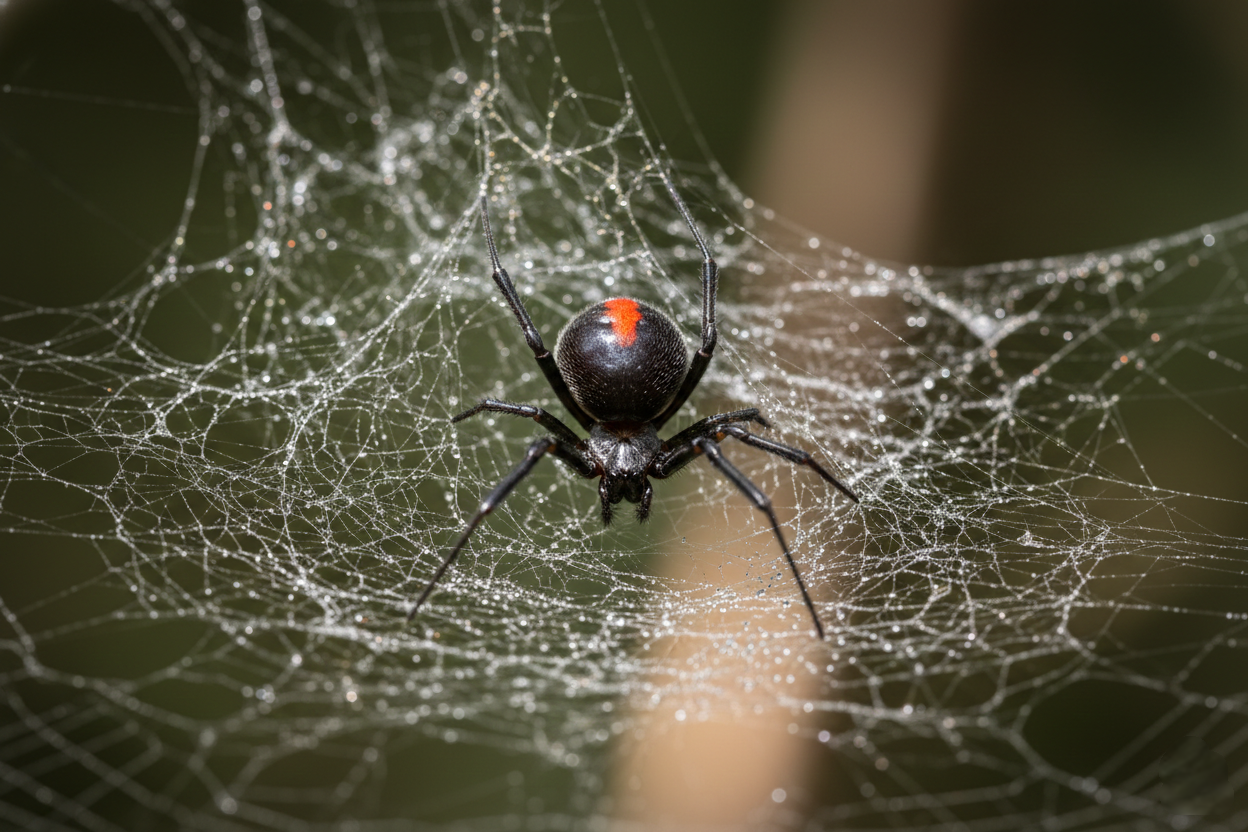
Redback Spider
Latrodectus hasselti
Redback spiders are venomous and commonly found in sheltered outdoor areas and undisturbed spaces.
Key Characteristics:
• Small body with long legs
• Black with a red stripe on the abdomen
• Prefers dark, dry and sheltered locations
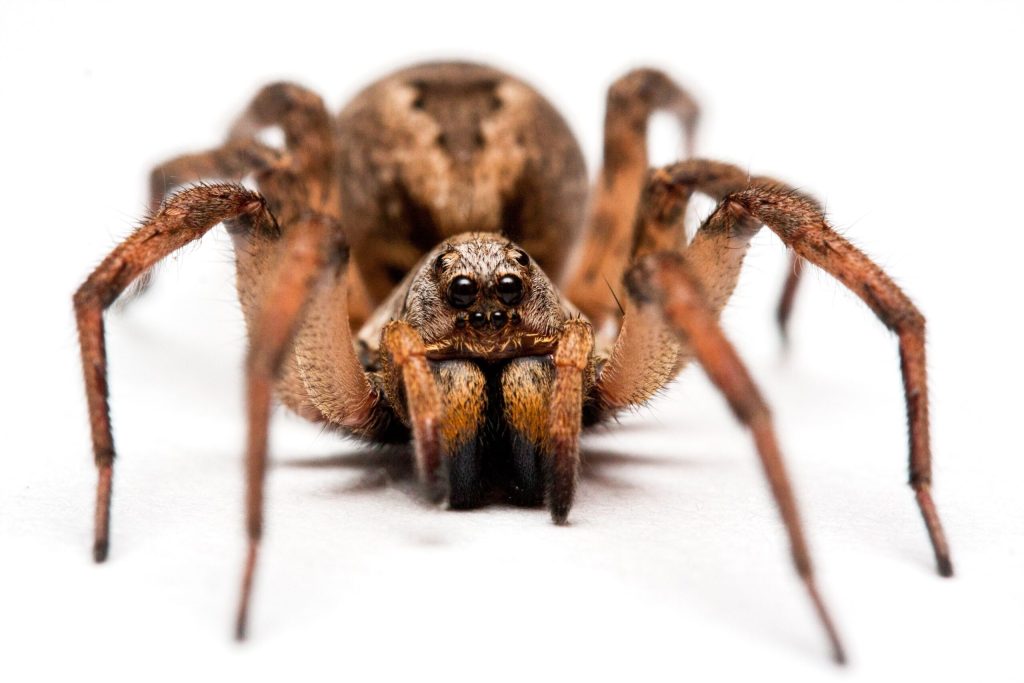
Huntsman Spider
Family Sparassidae
Huntsman spiders are large and fast moving but generally harmless. They often enter homes accidentally.
Key Characteristics:
• Large, flat body
• Brown or grey colouring
• Commonly found on walls and ceilings
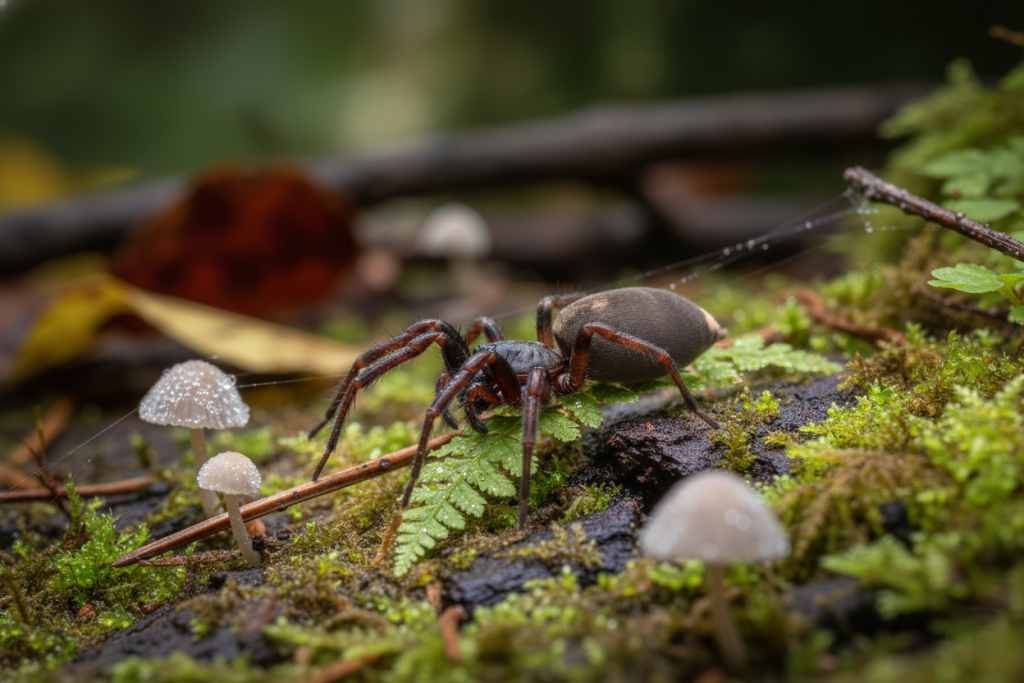
White-Tailed Spider
Lampona species
White-tailed spiders are commonly found indoors and are often mistaken for more dangerous species.
Key Characteristics:
• Dark body with a white tip on the abdomen
• Active hunters rather than web builders
• Often found in bathrooms and bedrooms
Invasive Species Alert
Some non-native spider species have established populations across parts of Australia, often spreading through transport, storage areas and building materials. These species can outcompete native spiders, disrupt local ecosystems and increase unwanted spider activity around homes and businesses. Because invasive spiders adapt quickly to urban environments, professional monitoring and targeted control are recommended to reduce risks and prevent ongoing infestation.
Spider Identification Guide
Correct identification is an important step in selecting the right spider control treatment. Spiders vary widely in size, colour and behaviour, which affects where they hide and how they should be treated.
Size
Spider size varies greatly depending on species.
• Small spiders: 5 to 10 mm
• Medium spiders: 10 to 25 mm
• Large spiders: 30 mm or more (excluding legs)
Colour
Spider colouring varies by species.
• Black with red markings: Redback
• Brown or grey: Huntsman
• Dark with white tip: White-tailed spider
Nest Habits
Spiders prefer quiet, undisturbed areas.
• Corners of ceilings
• Garages and sheds
• Under outdoor furniture
• Roof voids and wall cavities
Activity
Spider activity increases with warmer temperatures and higher insect populations.
• Peak season: Spring to Autumn
• Most active: Night time
Spider Life Cycle
Understanding spider development helps determine effective treatment timing.
Egg
Stage 1
Egg sacs may contain hundreds of eggs and are often hidden in webs or sheltered locations.
Spiderling
Stage 2
Spiderlings emerge from egg sacs and disperse throughout the environment, increasing visible activity.
Adult
Stage 3
Adult spiders hunt insects, build webs and reproduce, continuing the life cycle.
Treatment Timing
Effective spider control targets both active spiders and breeding areas to achieve long-term results.
Immediate Impact
- Reduces visible spider activity
- Removes existing webs and egg sacs
Long Term Control
- Treats harbourage and hiding areas
- Reduces insect food sources
- Prevents future infestations
Spider Bites and Safety
Most spiders are not aggressive and will only bite when they feel threatened or trapped against the skin. While many spider bites cause mild irritation, some species found in Melbourne can deliver venom that leads to more serious symptoms. Understanding the risks and knowing how to respond helps reduce complications and keeps your household safe.
Risk Factors
Presence of venomous spider species such as redback spiders
Accidental contact with spiders in dark, sheltered or cluttered areas
Disturbing webs, egg sacs or hiding spots
Young children, elderly individuals or those with compromised immune systems
Outdoor storage areas, garden furniture or sheds where spiders commonly shelter
Prevention Tips
Wear gloves when handling firewood, garden materials or stored items
Shake out shoes, clothing and towels before use
Reduce clutter in garages, sheds and storage areas
Remove spider webs and egg sacs regularly
Seal cracks and gaps around doors, windows and vents
First Aid Treatment
Clean the bite area gently with soap and water
Apply a cold compress to reduce pain and swelling
Keep the affected area still and elevated if possible
Monitor symptoms closely over the next several hours
Seek medical advice if pain, redness or swelling increases
Emergency Action
If you experience severe pain, nausea, sweating, muscle cramps or difficulty breathing after a spider bite, seek medical attention immediately. Call 000 in emergency situations. Individuals with known allergies or increased sensitivity to insect or spider venom should seek urgent care and follow medical advice.
How to Prevent Spider Infestations
Prevention is the most effective way to reduce spider activity around your home or business.
Indoor Prevention
• Remove webs regularly
• Reduce clutter in storage areas
• Seal cracks and gaps around doors and windows
• Keep indoor spaces clean and well ventilated
Outdoor Prevention
• Remove debris and leaf litter
• Store firewood away from buildings
• Reduce insect-attracting outdoor lighting
• Maintain gardens and trim vegetation
Our Eco Safe Spider Control Approach
At EcoSafe Pest Control, we prioritise safety, sustainability and long-term effectiveness. Our spider treatments are designed to reduce activity while protecting people, pets and the environment.
Child Safe
Our treatments use products that are safe around children when applied by trained professionals. We ensure application areas are carefully selected to keep your family protected.
Pet Friendly
We use formulations chosen specifically to minimise risk to dogs, cats and other domestic animals. All treatments are applied with your pets’ wellbeing in mind.
Environmentally Conscious
We rely on biodegradable ingredients that break down naturally without harming soil, plants or surrounding ecosystems.
Sustainable Practices
We use minimal packaging, reduce waste wherever possible and practise responsible disposal of all treatment materials.
How We Ensure Safety
Product Selection
We use only approved, low impact products that meet strict safety standards.
Application Expertise
Our technicians apply treatments in targeted locations to reduce exposure and ensure maximum effectiveness.
Ongoing Monitoring
We provide follow up checks to confirm that treatments remain effective and your home stays protected.
Pet Friendly
Biodegradable Components
Our formulas break down naturally, leaving no harmful residue in the environment.
Non Target Species Protection
We choose products that have minimal impact on beneficial insects and wildlife.
Water System Safety
Our treatments are designed to avoid contamination risks to groundwater or nearby water systems.
Industry-Leading Standards & Certifications
As industry leaders, we ensure our integrated pest management programs adhere to stringent standards.
We comply with reputable certifications and Food Safety Plan requirements, providing you with the assurance that your business meets the highest industry standards for food safety and pest control.
- HACCP
- WQA
- ISO
- Mondelez
Trusted by Local Businesses
EXCELLENTTrustindex verifies that the original source of the review is Google. Got then to come and get the appointment after a month What a joke I booked in for 11: am , followed back 11:30 come with the excuse . No punctuality . Waste my time to clear up the drawer and other stuff . Highly not recommend as don’t waste your time with them .They don’t value your time either .Posted onSusan LovegroveTrustindex verifies that the original source of the review is Google. Very efficient and friendly staff.Posted onRon CrellinTrustindex verifies that the original source of the review is Google. Great service on time will definitely use againPosted onRicardo SilvaTrustindex verifies that the original source of the review is Google. Joshua was very professional and did an amazing service. Highly recommendedPosted onShari LowndesTrustindex verifies that the original source of the review is Google. Amazing communication and very thorough with seeing to the entire property at a very reasonable ratePosted onKaye AsburyTrustindex verifies that the original source of the review is Google. Thank you to all at Eco Safe Pest control for your excellent service.Posted onSimone LTrustindex verifies that the original source of the review is Google. The guys are really thorough and customer-focussed. Was so impressed with Keegan, who really went out of his way to help me. Thoroughly recommend!Posted onA GeppertTrustindex verifies that the original source of the review is Google. We had Eco Safe treatment a few days ago & are already starting to see the results. Great communication, thorough explanation of the process, and such peace of mind with the 6 month guarantee. I'd definitely recommend Eco Safe.Posted onAmy CharlestonTrustindex verifies that the original source of the review is Google. Eco Safe are so responsive and friendly. They explained everything well and we felt confident choosing them as they had a big focus on keeping our animals safe while solving our ant problem.Posted onLindy de WijnTrustindex verifies that the original source of the review is Google. Friendly and professionalVerified by TrustindexTrustindex verified badge is the Universal Symbol of Trust. Only the greatest companies can get the verified badge who has a review score above 4.5, based on customer reviews over the past 12 months. Read more
Frequently Asked Questions
Spider activity can return if entry points remain open or if insect populations increase again. Professional treatments focus on reducing both spiders and their food sources to limit reinfestation.
Ongoing prevention measures and regular inspections help maintain long-term control. Seasonal treatments may be recommended in high-activity areas.
Spiders do not cause structural damage to buildings or furniture. However, heavy webbing can affect cleanliness, appearance and hygiene, particularly in commercial environments.
Web accumulation may also attract dust and debris, creating maintenance concerns. Controlling spider activity helps maintain a clean and professional space.
Most store-bought spider repellents offer only short-term results. They may deter spiders temporarily but do not address breeding areas or egg sacs. Professional treatments are more effective because they target harbourage zones and reduce insect populations. Long-term control requires a combination of treatment and prevention.
Spiders do not build traditional nests, but many species shelter inside wall cavities, roof voids and cracks. These hidden areas provide protection and access to insects. Because these locations are difficult to reach, professional treatment is often required. Treating visible spiders alone does not resolve hidden activity.
Yes, spiders commonly affect warehouses, offices, hospitality venues and retail spaces. Outdoor lighting, storage areas and ceiling voids can attract spiders due to insect activity. Visible webs can impact hygiene standards and customer perception. Professional spider control helps maintain compliance and presentation.
The effectiveness of spider treatment depends on environmental conditions and activity levels. Most professional treatments provide protection for several months. Homes with high insect populations or outdoor exposure may require follow-up services. Your technician can recommend an appropriate treatment schedule.
Have an enquiry?
- 1300 852 339
- accounts@ecosafepestcontrol.com.au
- Melbourne and Greater Geelong