
Bed Bug Removal Melbourne
Do not let bed bugs spread through your Melbourne home. EcoSafe Pest Control provides fast, professional bed bug treatment across Melbourne, eliminating infestations at the source with safe, proven solutions. Contact our experienced team today for a fast inspection and restore comfort with lasting bed bug protection.









Bed Bug Removal Melbourne from a Trusted Local Pest Control Team
For more than 25 years, EcoSafe Pest Control has helped Melbourne homeowners identify and treat difficult pest infestations. Our Bed Bug Removal Melbourne service focuses on locating where bed bugs are hiding, assessing the extent of the infestation and applying professional treatment to affected areas.
Bed bugs can be difficult to eliminate because they commonly hide in mattress seams, bed frames, furniture, skirting boards and small cracks close to sleeping areas. They can also spread through luggage, clothing, bedding and furniture, making early identification and correct treatment important.
EcoSafe approaches Bed Bug Removal Melbourne by assessing the affected rooms and targeting common hiding areas rather than simply treating visible bed bugs. This provides a more thorough approach to controlling an established infestation.
With over 25 years of pest control experience, EcoSafe provides professional Bed Bug Removal Melbourne backed by proven treatment methods, detailed inspections and practical advice to help Melbourne homeowners regain control of their homes.
Classification
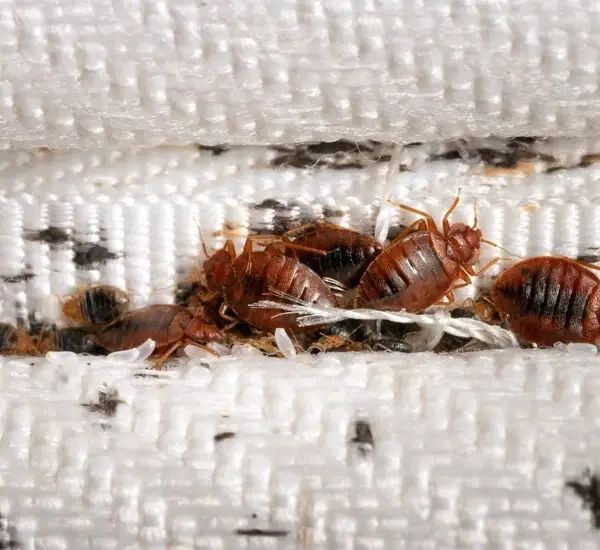
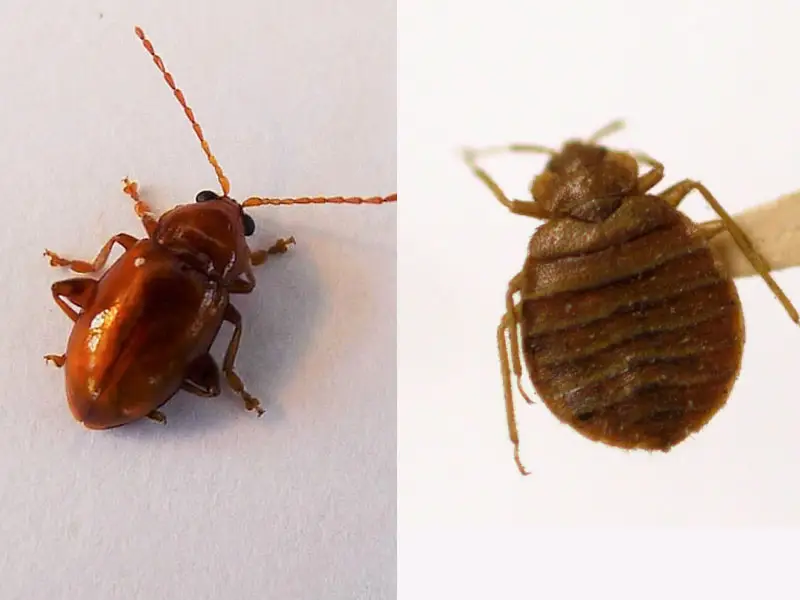
Bed bugs are small, wingless insects belonging to the species Cimex lectularius. They are reddish-brown, oval-shaped and typically measure 4 to 7 mm in length.
Unlike many pests, bed bugs do not live on the body. They hide in cracks, mattresses and furniture, emerging at night to feed.
Pest Risk
Bed bug infestations spread rapidly and are difficult to control without professional treatment. They hide in mattress seams, bed frames, furniture, wall cracks and luggage, allowing them to remain undetected for long periods.
Because they reproduce quickly and survive for months without feeding, early intervention is essential.
Health Threat
Bed bugs do not transmit disease, but their bites can cause itchy red welts, irritation and allergic reactions. Repeated bites may lead to sleep disruption, anxiety and ongoing discomfort.
In severe cases, scratching can cause secondary skin infections and increased stress.
Impact
Bed bug infestations cause distress and sleep disruption in homes and can damage the reputation of hotels and accommodation providers. If left untreated, infestations spread quickly and become more costly to eliminate.
Professional treatment is critical to prevent escalation and recurring problems.
Current Pest Status
Bed bugs are active year-round in Melbourne, particularly in high-density housing and accommodation settings.
Active Season: All year
Peak Activity: Warmer months and high travel periods
Common Areas: Bedrooms, mattresses, bed frames, couches, luggage storage areas
Because they travel easily through belongings, infestations can occur even in clean environments.
First Warning Signs of Bed Bugs in Your Melbourne Home
Bed bugs can remain hidden for weeks, making early detection important for Melbourne homeowners. Common warning signs include itchy bites that appear overnight, small blood spots on bedding, dark marks around mattress seams, shed skins, eggs and live insects. Check bed frames, headboards, bedside furniture, skirting boards and cracks near sleeping areas.
If these signs begin appearing regularly, arranging professional Bed Bug Removal Melbourne can help determine how far the infestation has spread. Bed bugs can move between rooms and hide in extremely small spaces, making them difficult to locate without a thorough inspection.
Melbourne homeowners should also be cautious after travelling or bringing second hand furniture into the home. If you suspect activity, Bed Bug Removal Melbourne should be arranged early to identify affected areas and establish the appropriate treatment before the infestation becomes more widespread.
Most Common Bed Bugs In Melbourne
Melbourne properties are primarily affected by common bed bug species that thrive in indoor environments. Identifying the type of bed bug helps determine the most effective treatment approach.
Common Bed Bug
Cimex lectularius
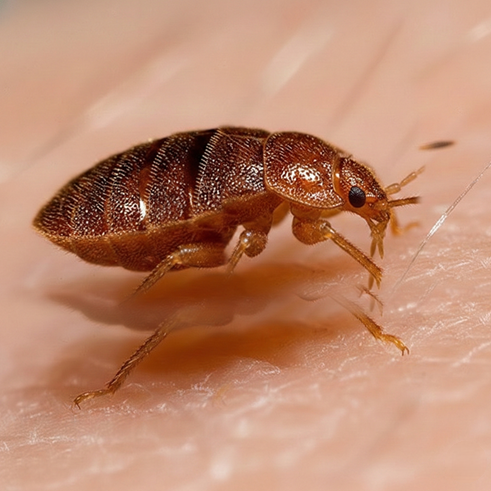
Common bed bugs are the most widespread species found in Melbourne homes, apartments and hotels. They feed on human blood and hide close to sleeping areas.
Key Characteristics:
• Reddish-brown, oval-shaped body
• Approximately 4 to 7 mm in length
• Flattened body that expands after feeding
• Hides in mattress seams and furniture cracks
Tropical Bed Bug
Cimex hemipterus
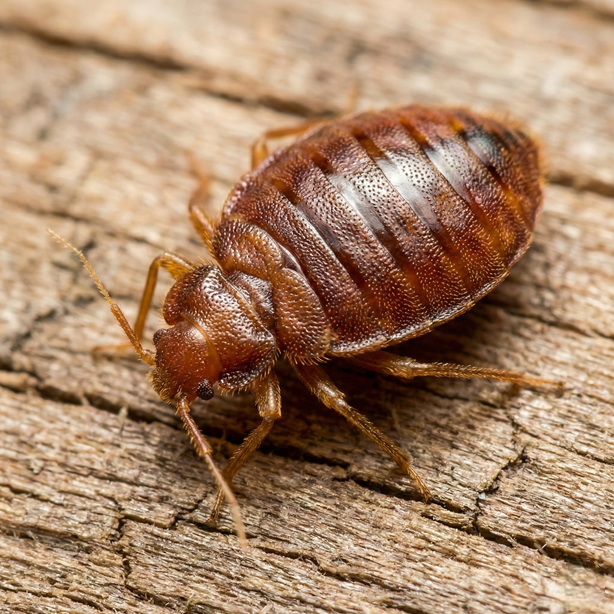
Tropical bed bugs are less common but have been increasingly detected in Australia due to travel and warmer conditions. They behave similarly to common bed bugs and require the same professional treatment approach.
Key Characteristics:
• Similar size and appearance to common bed bugs
• Slightly longer body shape
• Often introduced through travel
• Found in bedding, luggage and upholstered furniture
Juvenile Bed Bugs
(Nymph Stage)
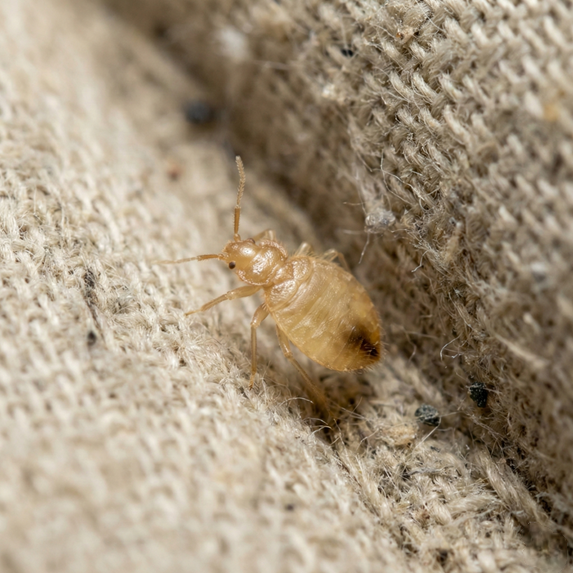
Juvenile bed bugs, also known as nymphs, are immature stages of bed bugs that continue feeding as they grow. They are smaller and lighter in colour, making them harder to detect.
Key Characteristics:
• Pale or translucent appearance
• Much smaller than adults
• Found in the same hiding areas as adults
• Require blood meals to develop into mature bed bugs
Get Effective Bed Bug Removal Melbourne

Why Choose EcoSafe For Bed Bug Removal In Melbourne
For more than 25 years, EcoSafe Pest Control has provided professional Bed Bug Removal Melbourne, helping homeowners deal with infestations quickly and thoroughly. Our experience allows us to identify common hiding areas and determine the appropriate treatment for each property.
Every service starts with a detailed inspection of bedrooms, furniture and surrounding areas to establish the extent of activity. Our Bed Bug Removal Melbourne treatments target affected areas carefully, with a focus on effective control and reducing the risk of ongoing infestation.
How to Help Prevent Bed Bugs in Your Home
Reducing the risk of bed bugs entering and spreading throughout your Melbourne home requires careful travel habits, regular checks and caution with second hand items:
- Check luggage after travelling – inspect suitcases and bags before bringing them into bedrooms, particularly after staying in hotels or accommodation
- Inspect second hand furniture – carefully examine used beds, mattresses and upholstered furniture before bringing them inside
- Check sleeping areas regularly – inspect mattress seams, bed frames and headboards for dark spots, shed skins or other signs of activity
- Reduce bedroom clutter – keep floors and areas around beds organised to limit potential hiding places and make early bed bug activity easier to identify
Found Bed Bugs in Your Melbourne Home? Take These Steps Immediately
If you discover signs of bed bugs, avoid moving bedding, furniture or personal belongings into other rooms, as this can spread the infestation throughout your home. Keep affected items contained, avoid sleeping in another bedroom and arrange professional Bed Bug Removal Melbourne as soon as possible.
Wash affected bedding and clothing on a hot wash where suitable, then use a high heat dryer. Place cleaned items in sealed bags or containers until the affected areas have been professionally assessed. Avoid throwing mattresses or furniture outside without professional advice, as bed bugs may spread during removal.
For Melbourne homeowners, early Bed Bug Removal Melbourne is important because these pests can hide in mattresses, bed frames, furniture and small cracks. Professional inspection helps establish the extent of activity and the treatment required.
Bed Bug Health and Safety Concerns In Melbourne
Although bed bugs do not transmit disease, their presence indoors can create significant health and wellbeing concerns. Bites may cause irritation, allergic reactions and sleep disruption.
Understanding these risks helps reduce exposure and prevent ongoing infestations.
Common Mistakes to Avoid After Finding Bed Bugs in Your Melbourne Home
If you discover bed bugs in your Melbourne home, avoid moving bedding, clothing or furniture into unaffected rooms. This can spread bed bugs throughout the property and make professional Bed Bug Removal Melbourne more difficult.
Do not immediately throw away your mattress, bed frame or furniture. Bed bugs may be hiding in surrounding cracks, skirting boards and nearby furniture, meaning removing one item will not necessarily eliminate the infestation. Avoid using supermarket sprays or insect foggers without professional advice, as these may fail to reach established hiding areas.
Most importantly, do not ignore the problem or continue moving between bedrooms. Bed bugs can remain concealed and reproduce over time. Professional Bed Bug Removal Melbourne should assess the extent of the infestation, identify affected areas and apply appropriate treatment throughout the home.
Bed Bug Bites
Most bed bug bites cause mild irritation, but repeated bites can result in itching, redness and skin inflammation. In some individuals, reactions may become more severe and lead to swelling or allergic responses.
Prompt inspection and professional treatment help reduce ongoing exposure and prevent further bites.
Infestation Spread Risk
Bed bugs are highly mobile and can spread quickly through luggage, clothing and shared living spaces. They commonly move between bedrooms, apartments and hotel rooms, making early detection critical.
Without professional treatment, infestations can escalate and become increasingly difficult to eliminate.
Hidden Harbourage Areas
Bed bugs hide in mattress seams, bed frames, skirting boards and upholstered furniture, often remaining undetected during the day. Their ability to conceal themselves in small cracks allows infestations to grow unnoticed.
Thorough inspection and targeted treatment are essential for complete eradication.
Safety Tip
Avoid moving infested furniture or bedding between rooms, as this can spread bed bugs further. Do not attempt DIY treatments that may scatter the infestation and worsen the problem. Professional treatment ensures safe, thorough and effective control.
Rapid Spread Alert
Bed bugs are highly mobile and spread easily through luggage, clothing, second-hand furniture and shared walls in apartment buildings. Because infestations can grow quickly and remain hidden for long periods, early professional inspection and targeted treatment are strongly recommended to prevent ongoing spread and re-infestation.
Bed Bug Identification Guide In Melbourne
Correct identification is an important step in selecting the right bed bug treatment. Bed bugs vary in size and life stage, which affects where they hide and how infestations should be treated.
Size
Bed bug size varies depending on their life stage.
• Eggs: Approximately 1 mm and pearl white
• Nymphs: 1.5 to 4 mm and lighter in colour
• Adults: 4 to 7 mm, oval and flat before feeding
Colour
Bed bug colouring changes as they mature and feed.
• Eggs: Translucent white
• Nymphs: Pale or light brown
• Adults: Reddish-brown, darker after feeding
Nest Habits
Bed bugs prefer dark, hidden areas close to sleeping spaces.
• Mattress seams and bed frames
• Skirting boards and wall cracks
• Upholstered furniture and headboards
• Luggage and clothing storage areas
Activity
Bed bug activity increases when hosts are present and during warmer periods.
• Active year-round indoors
• Most active at night
• Peak spread during travel seasons
Bed Bug Life Cycle In Melbourne
Understanding bed bug development helps determine effective treatment timing and ensures all life stages are targeted.
Egg
Stage 1
Bed bug eggs are small, pearl white and often hidden in mattress seams, cracks and furniture joints. Eggs hatch within 6 to 10 days under suitable indoor conditions.
Nymph
Stage 2
Nymphs are immature bed bugs that resemble smaller, lighter versions of adults. They require blood meals to grow and moult through several stages before reaching maturity.
Adult
Stage 3
Adult bed bugs feed regularly on human blood and can survive for months without feeding. Females lay multiple eggs during their lifespan, allowing infestations to grow rapidly if untreated.
Treatment Timing
Effective bed bug treatment targets active bed bugs and hidden harbourage areas to achieve long term control.
Immediate Impact
- Reduces active bed bug populations
• Treats visible harbourage areas
• Minimises ongoing bites
Long Term Control
- Targets eggs and developing nymphs
• Treats cracks, seams and hidden areas
• Helps prevent re-infestation
Bed Bug Bites and Safety In Melbourne
Bed bugs in Melbourne homes can quickly become a serious problem if left untreated. While bed bugs are not known to spread disease, their bites can cause skin irritation, allergic reactions, stress and ongoing sleep disruption for homeowners and families. Bed bugs commonly hide in mattresses, bed frames, carpets and furniture, making infestations difficult to control without professional treatment. Early detection and fast bed bug removal are essential to preventing infestations from spreading throughout your Melbourne property. Professional pest control treatments help eliminate bed bugs safely, reduce discomfort and restore a healthy sleeping environment for your household.
Risk Factors
Travel and shared accommodation
Second-hand furniture or mattresses
Apartment living or adjoining walls
Delayed detection of early infestations
Cluttered bedrooms and storage areas
Prevention Tips
Inspect mattresses and bedding regularly
Use protective mattress encasements
Wash and heat dry travel clothing
Reduce clutter around sleeping areas
Vacuum and seal cracks in walls and skirting boards
First Aid Treatment
Clean bite areas gently with soap and water
Apply a cold compress to reduce irritation
Use anti-itch cream if recommended
Avoid scratching to prevent infection
Seek medical advice if swelling or reactions worsen
Emergency Action
If you experience severe allergic reactions such as intense swelling, dizziness or difficulty breathing after bed bug bites, seek medical attention immediately.
Call 000 in emergency situations.
Individuals with known allergies or heightened sensitivity to insect bites should seek urgent care and follow medical advice.
How to Prevent Bed Bug Infestations In Melbourne
Prevention is the most effective way to reduce the risk of bed bug infestations in your home or accommodation property.
Indoor Prevention
• Inspect mattresses and bed frames regularly
• Use protective mattress and pillow encasements
• Reduce clutter around sleeping areas
• Vacuum bedrooms and seal cracks in walls and skirting boards
Outdoor Prevention
• Inspect hotel bedding and luggage racks
• Keep suitcases elevated and off the floor
• Wash and heat dry clothing after travel
• Avoid bringing second-hand mattresses indoors
ECO-Safe Approach To Melbourne Homes With Bed Bugs
At ECO Safe Pest Control, we understand how stressful and uncomfortable bed bug infestations can be for Melbourne homeowners. Our eco-safe approach focuses on delivering powerful bed bug treatments without compromising the safety of your family, pets or home environment. We use targeted treatment methods designed to eliminate bed bugs at every stage of their lifecycle while minimising unnecessary chemical exposure inside your property.
Our experienced technicians thoroughly inspect bedrooms, mattresses, furniture, carpets and hidden harbourage areas where bed bugs commonly spread. By identifying the source of the infestation early, we can provide fast and effective treatments that prevent bed bugs from returning.
Unlike temporary DIY solutions, our professional bed bug removal services are designed for long-term results. We also provide homeowners with practical prevention advice to reduce the risk of reinfestation. ECO Safe Pest Control delivers safe, discreet and reliable bed bug removal services across Melbourne, helping families sleep comfortably and confidently again.
Child Safe
Our treatments use carefully selected products that are safe when applied by trained professionals. We ensure treatment areas are precisely targeted to protect children and minimise unnecessary exposure.
Pet Friendly
We use formulations chosen to reduce risk to dogs, cats and other household pets. All treatments are applied with your pets’ safety and comfort in mind.
Environmentally Conscious
We rely on targeted treatment methods that minimise chemical use while maintaining effectiveness. Our approach reduces environmental impact without compromising results.
Sustainable Practices
We use responsible treatment practices, minimise product waste and follow proper disposal procedures. Our goal is to deliver effective control with minimal environmental footprint.
How We Ensure Safety
Product Selection
We use approved, low impact products that meet Australian safety standards for indoor application.
Application Expertise
Our technicians treat key harbourage areas such as mattresses, bed frames and skirting boards to maximise effectiveness.
Ongoing Monitoring
We provide follow up inspections when required to ensure bed bugs are fully eliminated and do not return.
Pet Friendly
Biodegradable Components
Our selected products break down responsibly after treatment, reducing long term environmental residue.
Non Target Species Protection
Treatments are carefully applied indoors to avoid unnecessary exposure to beneficial insects and surrounding environments.
Water System Safety
Our indoor focused bed bug treatments are designed to prevent contamination of drainage systems and nearby water sources.
Industry-Leading Standards & Certifications
As industry leaders, we ensure our integrated pest management programs adhere to stringent standards.
We comply with reputable certifications and Food Safety Plan requirements, providing you with the assurance that your business meets the highest industry standards for food safety and pest control.
- HACCP
- WQA
- ISO
- Mondelez
Trusted by Local Businesses





Thank you Eco Safe will use again and wont hesitate to recommend them to our friends and neighbours.
Posted on GoogleAnil Raj AdhikariTrustindex verifies that the original source of the review is Google. Got then to come and get the appointment after a month What a joke I booked in for 11: am , followed back 11:30 come with the excuse . No punctuality . Waste my time to clear up the drawer and other stuff . Highly not recommend as don’t waste your time with them .They don’t value your time either .Posted on GoogleSusan LovegroveTrustindex verifies that the original source of the review is Google. Very efficient and friendly staff.Posted on GoogleRon CrellinTrustindex verifies that the original source of the review is Google. Great service on time will definitely use againPosted on GoogleRicardo SilvaTrustindex verifies that the original source of the review is Google. Joshua was very professional and did an amazing service. Highly recommendedPosted on GoogleShari LowndesTrustindex verifies that the original source of the review is Google. Amazing communication and very thorough with seeing to the entire property at a very reasonable ratePosted on GoogleKaye AsburyTrustindex verifies that the original source of the review is Google. Thank you to all at Eco Safe Pest control for your excellent service.Posted on GoogleSimone LTrustindex verifies that the original source of the review is Google. The guys are really thorough and customer-focussed. Was so impressed with Keegan, who really went out of his way to help me. Thoroughly recommend!Posted on GoogleA GeppertTrustindex verifies that the original source of the review is Google. We had Eco Safe treatment a few days ago & are already starting to see the results. Great communication, thorough explanation of the process, and such peace of mind with the 6 month guarantee. I'd definitely recommend Eco Safe.Posted on GoogleAmy CharlestonTrustindex verifies that the original source of the review is Google. Eco Safe are so responsive and friendly. They explained everything well and we felt confident choosing them as they had a big focus on keeping our animals safe while solving our ant problem.Posted on GoogleLindy de WijnTrustindex verifies that the original source of the review is Google. Friendly and professional
Frequently Asked Questions
Yes, while bedrooms are their primary harbourage area, bed bugs can also live in lounges, offices and other furnished spaces. They hide in couches, chairs, curtains and even behind wall fixtures. Any area where people sit or rest for extended periods can become a hiding spot.
Yes, adult bed bugs are visible and typically measure between 4 to 7 mm in length. However, their flat bodies and hiding behaviour make them difficult to detect during the day. Eggs and young nymphs are much smaller and harder to spot without careful inspection.
Bed bugs can move between adjoining rooms through wall cavities, electrical outlets and shared plumbing spaces. In multi-unit dwellings, infestations may spread if not treated promptly. Coordinated inspection and treatment are often required in apartment buildings and accommodation facilities.
Professional bed bug control involves a detailed inspection followed by targeted treatment of harbourage areas. Technicians treat mattresses, bed frames, cracks and concealed spaces where bed bugs hide. Follow-up inspections may be recommended to ensure all life stages are eliminated.
The number of treatments depends on the severity of the infestation and property size. In many cases, more than one treatment is required to target newly hatched nymphs. A structured treatment plan ensures complete eradication and reduces the risk of recurrence.
Preparation may include washing and heat drying bedding and clothing, reducing clutter and vacuuming affected areas. Mattress encasements may also be recommended to support treatment success. Proper preparation improves treatment outcomes and reduces hiding opportunities.
Have an enquiry?
- 1300 852 339
- accounts@ecosafepestcontrol.com.au
- Melbourne and Greater Geelong