Ant Removal Melbourne
Protect your home with trusted Ant Removal Melbourne from Eco Safe Pest Control. Backed by over 15 years of experience, our licensed technicians eliminate ant colonies using safe, environmentally responsible treatments that deliver lasting results. Book your inspection today and stop ants before they spread.







Professional Ant Removal In Melbourne Since 2009
Ant infestations can spread quickly throughout Melbourne homes, particularly during the warmer months when colonies become more active in search of food, water, and shelter. While a few ants may seem harmless, they often indicate a much larger nest hidden within walls, roof voids, gardens, or beneath your home’s foundations. Professional Ant Removal Melbourne services can stop the infestation before it spreads and causes ongoing problems.
At Eco Safe Pest Control Melbourne, we provide safe, effective Ant Removal Melbourne solutions tailored to your home and the specific ant species present. Our licensed technicians carry out a thorough inspection, locate the nest, and apply targeted treatments designed to eliminate the entire colony, not just the ants you can see. Using environmentally responsible, low-toxicity products wherever possible, our Ant Removal Melbourne service provides long-lasting protection, helping keep your home free from ants while protecting your family, pets, and property.
Classification
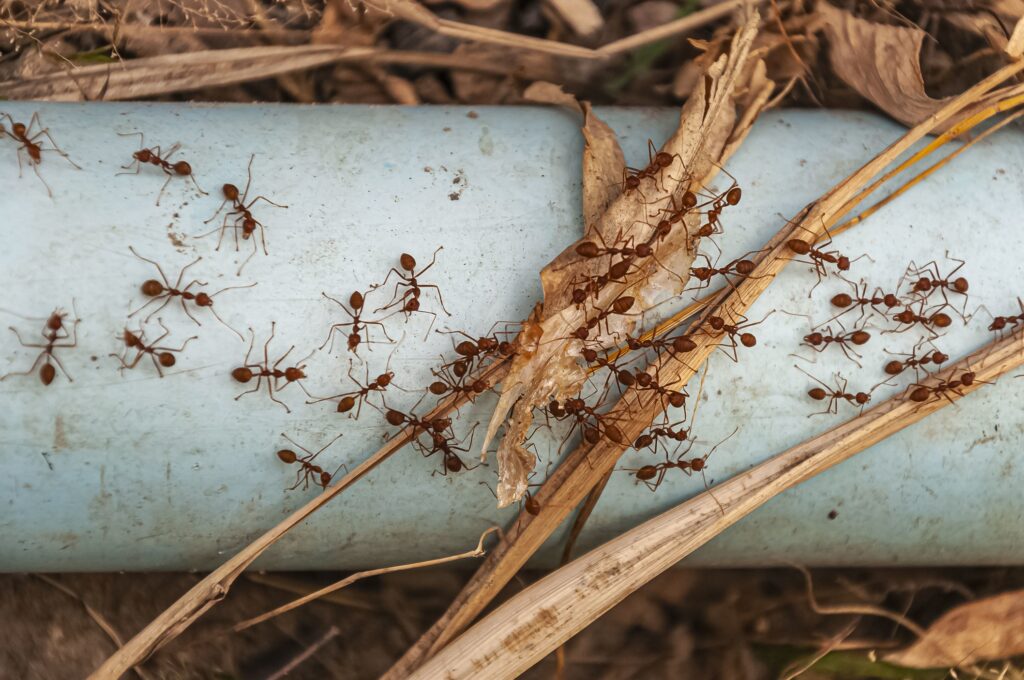
Ants belong to the order Hymenoptera, which includes ants, bees and wasps.
These insects are highly organised and work together in large colonies, making them challenging to eliminate without professional treatment.
Pest Risk
Ant infestations can lead to contamination and structural issues if left untreated.
Some species build nests in walls, gardens or under pavers, which can weaken surfaces and create ongoing problems.
Health Threat
Certain ant species may bite or cause mild allergic reactions.
While most ants are not dangerous, large infestations can still pose a risk, especially for young children or pets.
Impact
Ants often contaminate food sources, damage packaging and spread bacteria across household surfaces.
They can also disturb soil around paths and driveways, creating small structural issues over time.
Current Pest Status
Ant activity in Melbourne increases during warmer months. Infestations are most common in spring and summer when colonies expand and forage for food. Early detection helps prevent large outbreaks and reduces the chance of ants entering kitchens, pantries and indoor living areas.
Active Season: Spring to Summer
Peak Activity: 15 to 35°C
Common Areas: Kitchens, pantries, gardens and pathways
First Signs Of Ants In Your Melbourne Home
The first signs of an ant infestation often begin with small numbers of ants appearing around kitchens, bathrooms, laundries or other areas where food and moisture are available. If ants regularly return to the same areas, it may indicate an established colony nearby and the potential need for Ant Removal Melbourne.
Another common warning sign is visible ant trails. You may notice ants travelling in organised lines along kitchen benches, skirting boards, walls, windows or outdoor paving. These trails form when ants locate a reliable source of food or water and create a path for other members of the colony to follow.
Melbourne homeowners should also watch for ants emerging from cracks in walls, gaps around windows and doors, beneath flooring or around external paving. Small piles of disturbed soil around gardens and pathways can also indicate nesting activity.
If ant activity becomes more frequent or continues across different areas of your home, it can indicate a larger hidden colony. Recognising these warning signs early can help determine when professional Ant Removal Melbourne may be required.
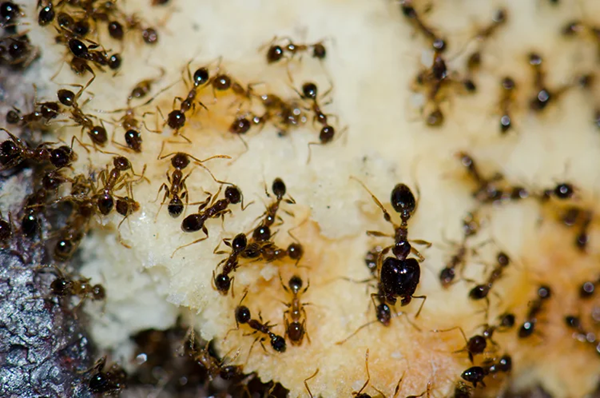
Melbourne's Most Common Household Ants
Melbourne is home to several ant species, each with different nesting habits and food preferences. Identifying the species is an important step in selecting the right treatment to prevent long term infestation.
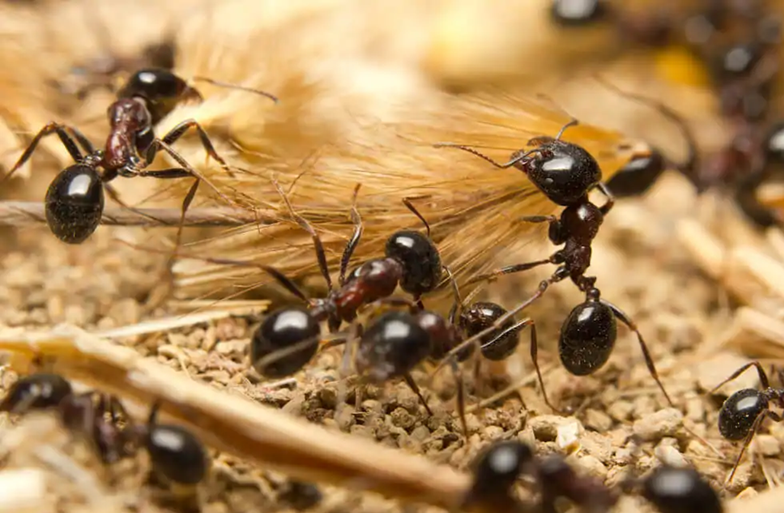
Black Garden Ants
Lasius niger
Black garden ants are one of the most common household ant species in Melbourne. They are frequently found in kitchens, bathrooms and outdoor areas where food and moisture are available.
Key Characteristics:
• 2 to 4 mm long
• Dark brown to black
• Strong preference for sweet foods
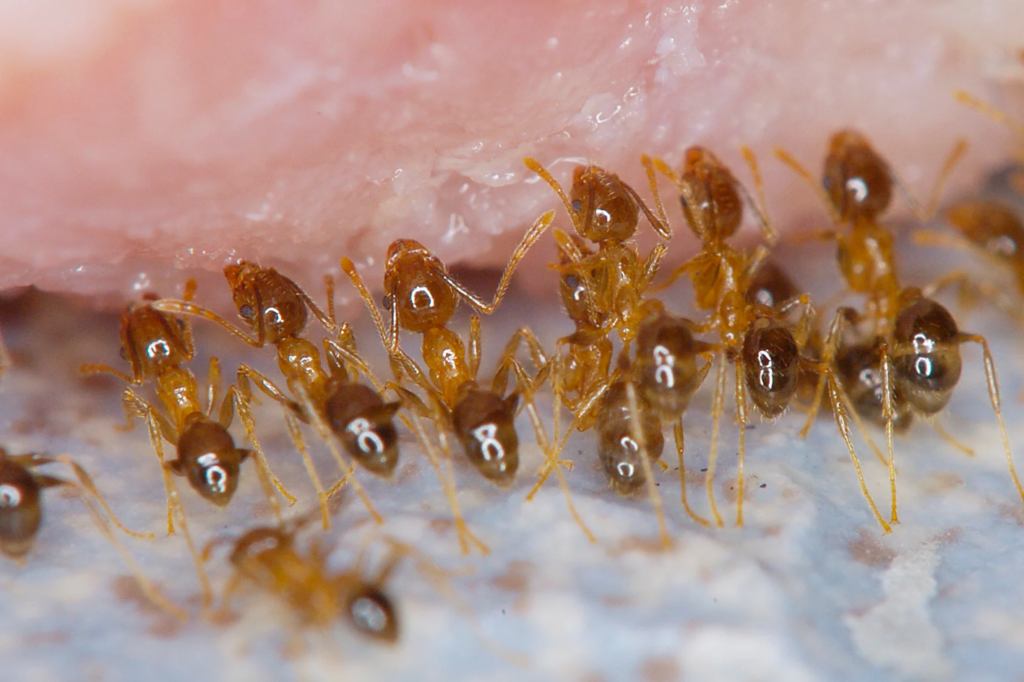
Coastal Brown Ants
Pheidole megacephala
Coastal brown ants are aggressive and form large colonies both indoors and outdoors. They often displace native species and can cause issues around gardens, driveways and pavers.
Key Characteristics:
• 2 to 3 mm long
• Light brown
• Preference for protein based foods
Argentine Ants
Linepithema humile
Argentine ants are highly invasive and one of the most challenging species to control. Their supercolonies can spread across large areas, making quick professional treatment essential.
Key Characteristics:
• 2 to 3 mm long
• Light to dark brown
• Omnivorous feeding behaviour
Cost Effective Ant Removal Melbourne
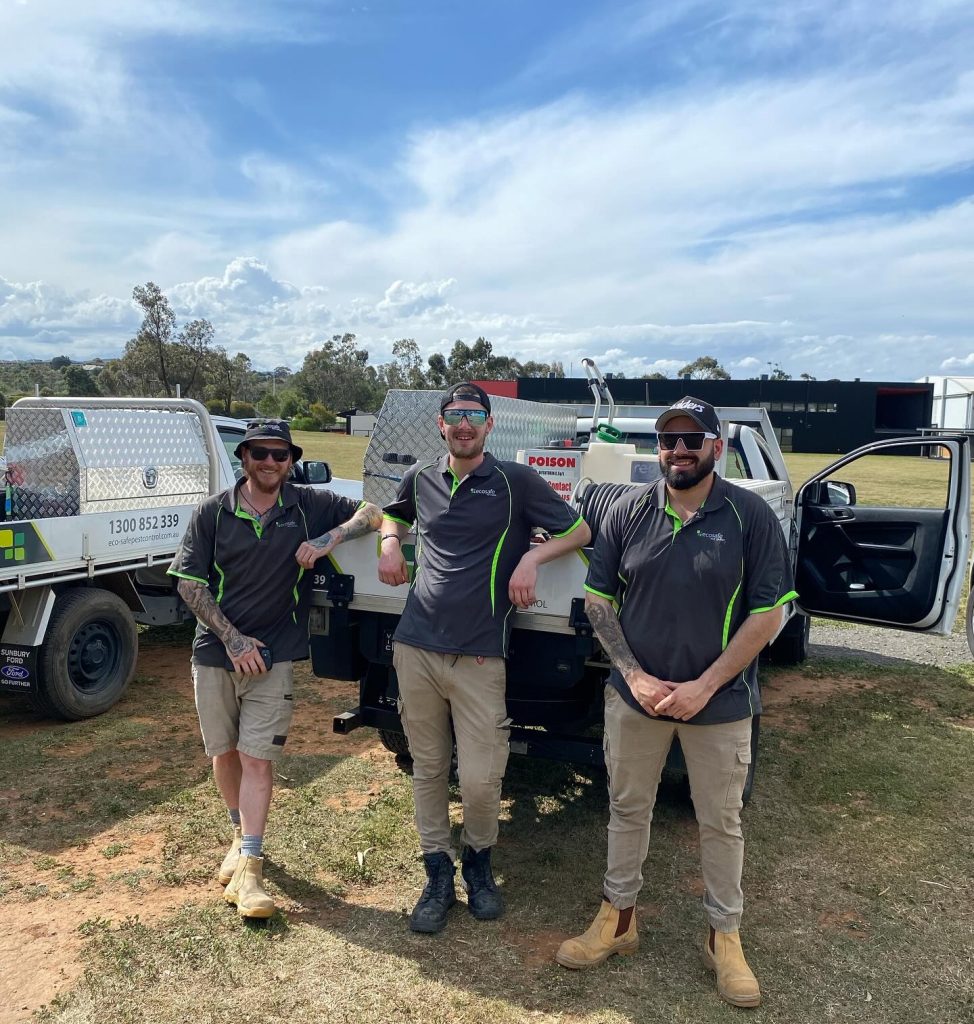
Why Choose EcoSafe For Ant Removal In Melbourne
For more than 25 years, Melbourne homeowners have trusted EcoSafe Pest Control for professional Ant Removal Melbourne services targeting the source of infestations. Our experience helps identify ant species, nesting areas and entry points around homes.
Every Ant Removal Melbourne service starts with a detailed inspection to locate the colony and determine the right treatment. By targeting the source rather than visible ants alone, we provide effective control and help prevent ants from returning.
How To Prevent Ant Infestations In Your Melbourne Home
Ant infestations can develop quickly, with early activity often appearing before a larger colony becomes noticeable. Melbourne homeowners should watch for established ant trails, ants gathering around food or water, activity near sinks and cupboards, and ants entering through cracks around windows, doors or skirting boards.
Small piles of soil near paving or garden areas may also indicate nearby nests. Recognising these warning signs early can help determine when professional Ant Removal Melbourne services are required before colonies expand and ant activity spreads into other areas of the home.
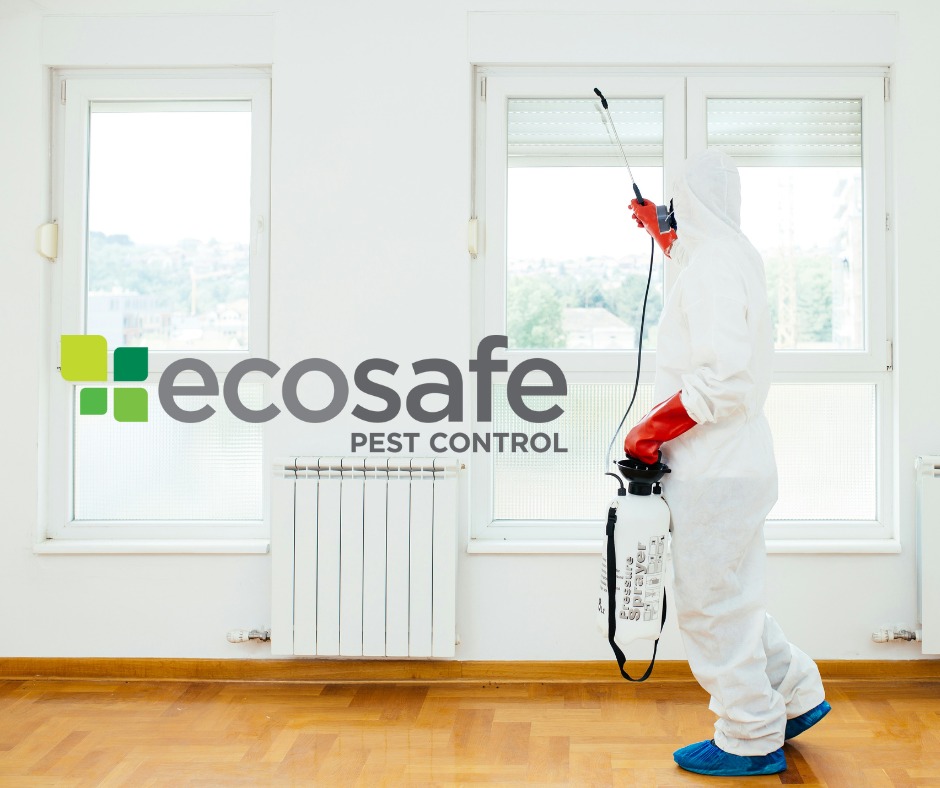
What To Do Immediately When You Find Ants In Your Home
If you notice ants inside your home, remove accessible food and water sources. Clean kitchen benches, wipe up spills, empty rubbish bins and store food in sealed containers. Check pet bowls, pantry shelves and areas beneath appliances for crumbs or moisture.
Follow visible ant trails to identify entry points around windows, doors, skirting boards, plumbing and wall cracks. Avoid spraying ants with supermarket insecticide, as killing visible ants does not necessarily eliminate the nest or queen.
Do not disturb active trails before an inspection, as they can help technicians locate the colony. If ants continue returning, professional Ant Removal Melbourne can identify the species, nesting area and appropriate treatment.
Professional Ant Removal Melbourne targets the colony rather than individual ants. Early Pest Control Melbourne treatment can help prevent established colonies from spreading into wall cavities, additional rooms and other areas of your property.
Health and Safety Concerns In Melbourne Homes
Ants are not usually harmful, but they can still create health and safety issues when they make their way into your Melbourne home. Large infestations can contaminate food, damage household items and trigger reactions in sensitive individuals. Understanding these risks helps you take action before the problem grows.
Food Contamination
Ants often travel through gardens, soil and outdoor environments before entering your kitchen.
When they reach food supplies or benchtops, they can spread bacteria and contaminate items stored in the pantry.
Electrical Damage
Some ant species nest inside electrical fittings or appliances.
Their activity can interfere with wiring and cause malfunctions or short circuits if left untreated.
Allergic Reactions
While not all ants bite, certain species may cause irritation or mild allergic responses.
These reactions are more common in young children, pets or individuals with sensitive skin.
Found Ants in Your Home? Avoid These Common Mistakes
When ants appear inside your Melbourne home, avoid immediately spraying visible ants with supermarket insecticide. This may kill individual ants without addressing the nest, queen or wider colony. Some ant species can also respond to disturbance by relocating or establishing additional nesting areas.
Do not remove an active ant trail before checking where the ants are travelling. Following trails can help identify entry points around doors, windows, walls and other areas of your property. Avoid placing random baits or chemicals without identifying the ant species, as different ants can require different treatments.
Do not ignore recurring activity because ant numbers temporarily decrease. Continued activity may indicate an established colony nearby. Professional Ant Removal Melbourne focuses on identifying the species, locating the source and selecting the appropriate treatment. Effective Pest Control Melbourne addresses the infestation rather than repeatedly treating only visible ants.
Safety Tip
If you suspect an ant infestation, avoid using over the counter sprays that can scatter colonies and make the problem worse. Professional treatment ensures safe and effective elimination while protecting your family and pets.
Invasive Species Alert
Argentine ants are considered a major invasive species in Australia. Their large supercolonies can extend across long distances and displace native wildlife. Professional control is recommended for effective and safe removal.
Ant Identification Guide For Melbourne Homes
Correctly identifying the ant species around your Melbourne home is the first step towards effective ant control. Different ant species commonly found across Melbourne vary in size, colour, nesting habits, and behaviour, meaning each requires a different treatment approach. Understanding which ants are active on your property helps ensure the most effective solution while reducing the risk of ongoing infestations. Use this guide to identify the ant species commonly found in Melbourne homes.
Size
Ant size can range widely depending on the species and their role within the colony.
• Workers: 2 to 4 mm
• Soldiers: 3 to 4 mm
• Queens: 8 to 15 mm
Colour
Ants can appear in a variety of colours based on their species.
• Light brown: Argentine ants
• Dark brown: Garden ants
• Black: Pavement ants
Nest Habits
Most ants prefer nesting in areas that are moist and close to food sources.
• Under pavers
• In wall cavities
• Garden soil
• Near waste sources
Activity
Ant activity increases during warm and humid conditions.
• Peak season: Spring to Summer
• Preferred temperature: 15 to 35°C
• Most active: Dawn and dusk
Ant Life Cycle In Melbourne
Understanding the life cycle of ants commonly found in Melbourne homes helps determine the most effective time to treat an infestation. From eggs and larvae to pupae and adult worker ants, targeting multiple life stages is essential for eliminating colonies and preventing ants from returning. Knowing how Melbourne ant species develop allows for more effective, long lasting control.
Egg
Stage 1
1 to 2 weeks
Queens lay eggs in protected nest areas. These eggs form the foundation of new colony growth.
Larva
Stage 2
2 to 4 weeks
Larvae are fed by worker ants and continue to grow until they are ready to form pupae.
Pupa
Stage 3
1 to 2 weeks
Ants undergo full transformation inside cocoon like structures before emerging as adults.
Adult
Stage 4
Weeks to years
Adult ants emerge as workers, soldiers, or reproductive members of the colony.Workers forage for food and expand the nest.
Treatment Timing
The most successful ant treatments target more than one stage of the life cycle. Professional ant control uses products and techniques designed to interrupt colony development and reduce ongoing activity.
Immediate Impact
- Eliminates active foraging workers
- Disrupts feeding trails and pathways
Long Term Control
- Targets queens and eggs
- Prevents colony rebuilding
Ant Bites and Stings In Melbourne
Risk Factors
- History of allergic reactions to insect bites
- Multiple bites or stings occurring at the same time
- Weakened or compromised immune systems
- Young children and elderly individuals
- Contact with aggressive or invasive ant species
Prevention Tips
- History of allergic reactions to insect bites
- Multiple bites or stings occurring at the same time
- Weakened or compromised immune systems
- Young children and elderly individuals
- Contact with aggressive or invasive ant species
First Aid Treatment
- History of allergic reactions to insect bites
- Multiple bites or stings occurring at the same time
- Weakened or compromised immune systems
- Young children and elderly individuals
- Contact with aggressive or invasive ant species
Emergency Action
If you experience difficulty breathing, severe swelling or strong allergic reactions after an ant bite or sting, call 000 immediately. Individuals with known allergies should carry an EpiPen.
Our Eco Safe Ant Control Approach
At Eco Safe Pest Control, we prioritise the health and safety of your family while protecting the environment. Our treatments are designed to deliver strong and effective ant control using low toxicity, responsible products that keep your home and surroundings safe.
Child Safe
Our treatments use products that are safe around children when applied by trained professionals. We ensure application areas are carefully selected to keep your family protected.
Pet Friendly
We use formulations chosen specifically to minimise risk to dogs, cats and other domestic animals. All treatments are applied with your pets’ wellbeing in mind.
Environmentally Conscious
We rely on biodegradable ingredients that break down naturally without harming soil, plants or surrounding ecosystems.
Sustainable Practices
We use minimal packaging, reduce waste wherever possible and practise responsible disposal of all treatment materials.
How We Ensure Safety
Product Selection
We use only approved, low impact products that meet strict safety standards.
Application Expertise
Our technicians apply treatments in targeted locations to reduce exposure and ensure maximum effectiveness.
Ongoing Monitoring
We provide follow up checks to confirm that treatments remain effective and your home stays protected.
Pet Friendly
Biodegradable Components
Our formulas break down naturally, leaving no harmful residue in the environment.
Non Target Species Protection
We choose products that have minimal impact on beneficial insects and wildlife.
Water System Safety
Our treatments are designed to avoid contamination risks to groundwater or nearby water systems.
Industry-Leading Standards & Certifications
As industry leaders, we ensure our integrated pest management programs adhere to stringent standards.
We comply with reputable certifications and Food Safety Plan requirements, providing you with the assurance that your business meets the highest industry standards for food safety and pest control.
- HACCP
- WQA
- ISO
- Mondelez
Trusted by Local Businesses





Thank you Eco Safe will use again and wont hesitate to recommend them to our friends and neighbours.
Posted on GoogleAnil Raj AdhikariTrustindex verifies that the original source of the review is Google. Got then to come and get the appointment after a month What a joke I booked in for 11: am , followed back 11:30 come with the excuse . No punctuality . Waste my time to clear up the drawer and other stuff . Highly not recommend as don’t waste your time with them .They don’t value your time either .Posted on GoogleSusan LovegroveTrustindex verifies that the original source of the review is Google. Very efficient and friendly staff.Posted on GoogleRon CrellinTrustindex verifies that the original source of the review is Google. Great service on time will definitely use againPosted on GoogleRicardo SilvaTrustindex verifies that the original source of the review is Google. Joshua was very professional and did an amazing service. Highly recommendedPosted on GoogleShari LowndesTrustindex verifies that the original source of the review is Google. Amazing communication and very thorough with seeing to the entire property at a very reasonable ratePosted on GoogleKaye AsburyTrustindex verifies that the original source of the review is Google. Thank you to all at Eco Safe Pest control for your excellent service.Posted on GoogleSimone LTrustindex verifies that the original source of the review is Google. The guys are really thorough and customer-focussed. Was so impressed with Keegan, who really went out of his way to help me. Thoroughly recommend!Posted on GoogleA GeppertTrustindex verifies that the original source of the review is Google. We had Eco Safe treatment a few days ago & are already starting to see the results. Great communication, thorough explanation of the process, and such peace of mind with the 6 month guarantee. I'd definitely recommend Eco Safe.Posted on GoogleAmy CharlestonTrustindex verifies that the original source of the review is Google. Eco Safe are so responsive and friendly. They explained everything well and we felt confident choosing them as they had a big focus on keeping our animals safe while solving our ant problem.Posted on GoogleLindy de WijnTrustindex verifies that the original source of the review is Google. Friendly and professional
Frequently Asked Questions
Yes, certain ant species can affect garden health, especially when they farm aphids for honeydew. This behaviour protects aphids and allows them to spread across plants, causing leaf damage and weakened growth. Ants may also disturb soil around roots, which affects water absorption.
While ants themselves do not eat plants, their presence can worsen existing garden pests. Treating both ants and aphids helps restore garden balance.
Rain often floods outdoor nests, forcing ants to seek shelter inside homes. Increased moisture also boosts their activity and encourages them to forage for dry food sources. Warm, humid conditions create ideal environments for colonies to expand. As a result, ants become more visible after heavy rain. Professional treatment can help control this seasonal behaviour.
Yes, ants can carry bacteria picked up from soil, rubbish areas and outdoor environments. When they travel across benchtops or enter food packaging, they can transfer these microorganisms. Although ants are not typically dangerous, large infestations increase the likelihood of contamination.
This is especially important in kitchens, childcare areas and food handling spaces. Eliminating ant trails helps reduce these risks.
Yes, many ants nest inside walls, insulation or voids where they have warmth and protection. These hidden colonies can survive undetected for months or even years. Homeowners often notice ants only when workers venture into living areas for food.
Treating surface trails alone will not reach these hidden nests. Professional technicians use specialised methods to target interior colonies safely.
Sealing gaps helps reduce common entry points, but it may not stop ants entirely. Ants are skilled at finding tiny openings that are difficult to notice. While sealing is important for prevention, it works best when combined with professional treatment.
Ants that are already nesting inside walls or gardens will continue entering until the colony is eliminated. A multi step approach provides the most reliable results.
Most homes benefit from annual or seasonal ant inspections, especially during warmer months when colonies are active. Regular maintenance treatments help prevent new infestations and address developing activity early. Properties with gardens, pets or high moisture levels may require more frequent attention.
Large or recurring ant issues often need follow up visits for complete control. Your technician can recommend a schedule based on your home’s conditions.
Have an enquiry?
- 1300 852 339
- accounts@ecosafepestcontrol.com.au
- Melbourne and Greater Geelong