
Birds
Birds are a common presence around homes and commercial properties, particularly in urban and coastal environments. While many species are harmless, some can become pests by nesting in structures, creating noise, and leaving droppings that impact hygiene and property conditions.
Understanding bird behaviour, nesting habits and the risks associated with pest species is key to managing their presence effectively and preventing long-term issues.
Classification
Birds belong to the class Aves, a diverse group of warm-blooded animals characterised by feathers, beaks and the ability to fly in most species. Common urban bird species include pigeons, mynas and sparrows, which have adapted well to human environments.
While birds play an important role in ecosystems, some species can become problematic when they nest or gather in large numbers around buildings.
Pest Risk
Bird activity can lead to hygiene and maintenance concerns, particularly in areas where droppings accumulate. Nesting materials can block gutters, vents and drainage systems, while constant noise may disrupt occupants.
Large flocks can also increase wear and tear on structures over time, especially in commercial or high-traffic environments.
Health Threat
Bird droppings and nesting materials can carry bacteria, fungi and parasites that may pose health risks. Prolonged exposure can affect air quality and create unsanitary conditions in living or working spaces.
These risks are more significant in enclosed or poorly ventilated areas where contamination can build up.
Impact
Bird activity can cause staining, corrosion and damage to building surfaces. Acidic droppings may degrade materials such as metal, paint and roofing over time.
In addition, nests can attract other pests, contributing to broader pest-related issues if not managed early.
Current Pest Status
Bird presence is consistent throughout the year, with activity influenced by food availability, nesting seasons and urban development.
Active Season: Year-round
Peak Activity: Spring and early summer (breeding season)
Common Areas: Roofs, ledges, gutters, balconies, signage and outdoor structures
Common Pest Birds Found in Melbourne
Melbourne is home to a variety of bird species, many of which have adapted to urban environments. Identifying common pest birds helps understand their behaviour, nesting habits and the impact they may have on properties.
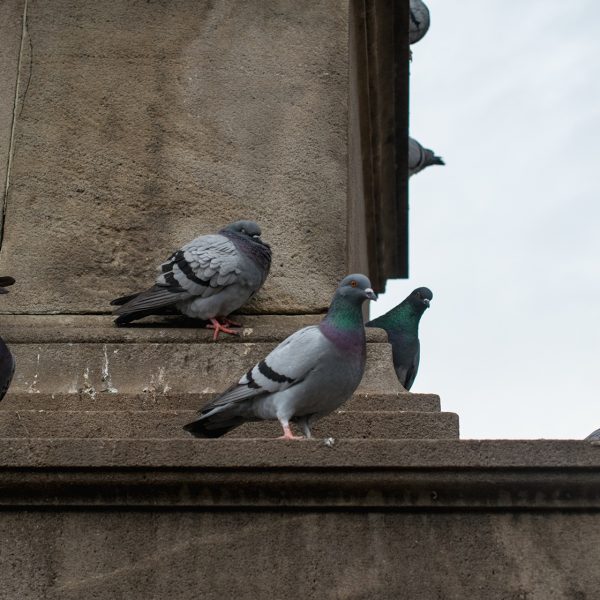
Pigeons
Pigeons are one of the most common urban birds, often found in large flocks around buildings, rooftops and public areas. They are highly adaptable and tend to nest on ledges and roof cavities.
Key Characteristics:
• Grey body with iridescent neck feathers
• Strong homing behaviour
• Often found in flocks near food sources
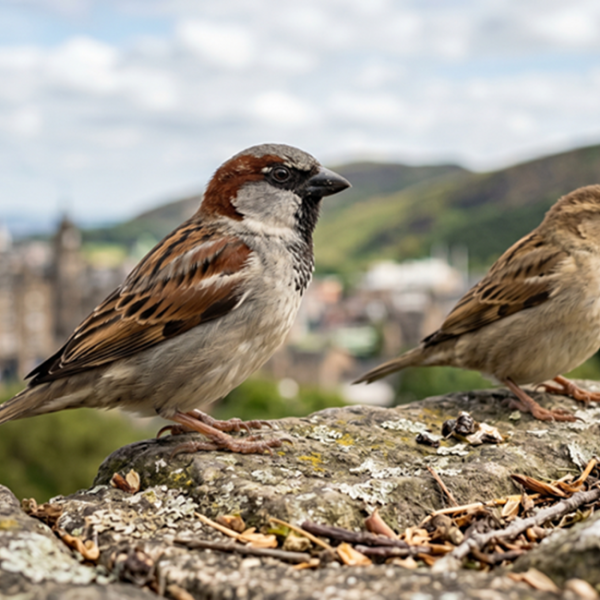
House Sparrows
House sparrows are small birds that thrive in urban areas, often nesting in small gaps and sheltered spaces around buildings. They are known for their constant activity and rapid breeding.
Key Characteristics:
• Small size with brown and grey colouring
• Short, stout beak
• Frequently found near human activity
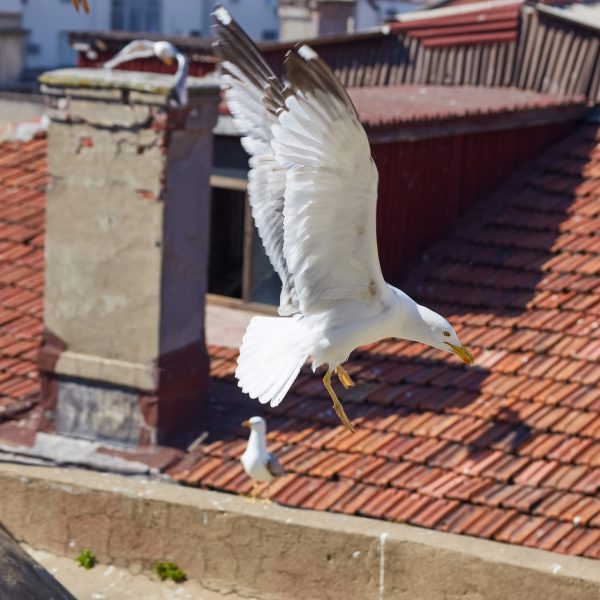
Seagulls
Seagulls are commonly found in coastal and inland urban areas, often gathering around food sources such as bins and outdoor dining spaces. They frequently nest on rooftops.
Key Characteristics:
• White body with grey wings
• Loud calls and flocking behaviour
• Attracted to food waste
Invasive Species Alert
Some bird species have become highly adapted to city environments, allowing them to nest and feed year-round. Large populations can lead to increased droppings, nesting debris and competition with native species. Understanding these behaviours helps in recognising early signs of activity and managing long-term impact.
Bird Identification Guide
Correct identification of bird species is important for understanding their behaviour, nesting patterns and impact on your property. Different birds vary in size, appearance and activity, which influences where they are commonly found.
Size
Bird size varies depending on the species.
• Small birds: Sparrows and starlings
• Medium birds: Pigeons and mynas
• Larger birds: Gulls and crows
Colour & Markings
Birds can be identified by their distinct colouring and physical features.
• Grey tones: Common in pigeons
• Brown and speckled: Typical of sparrows
• Black or iridescent: Seen in starlings
• White and grey: Found in gull species
Nest Habits
Birds prefer sheltered and elevated areas for nesting.
• Roof cavities and gutters
• Ledges, balconies and signage
• Tree branches near buildings
• Vents and small structural gaps
Activity
Bird behaviour varies based on environment and season.
• Active during daylight hours
• Increased activity during breeding seasons
• Often gather near food sources
• Consistent presence in urban areas year-round
Bird Life Cycle
Understanding how birds grow and reproduce helps explain nesting behaviour and seasonal activity. Each stage of the bird life cycle influences where birds are found and how populations increase over time.
Egg
Stage 1
Birds lay eggs in nests built in sheltered locations such as trees, roofs or ledges. The number of eggs varies by species, and they are protected by parent birds until hatching.
Chick (Nestling)
Stage 2
Chicks hatch from eggs and remain in the nest while being fed and protected by their parents. During this stage, birds are dependent and rarely leave the nesting area.
Juvenile to Adult
Stage 3
Young birds develop feathers and begin to leave the nest as they grow. As adults, they forage for food, establish territories and reproduce, continuing the life cycle.
Bird Activity Timeline
Bird activity follows seasonal patterns influenced by breeding cycles, food availability and environmental conditions. Understanding these patterns helps explain when bird presence is more noticeable around properties.
Peak Activity Periods
- Increased nesting activity during spring
- Higher movement as birds gather materials for nests
- Greater visibility around rooftops and sheltered areas
Ongoing Behaviour Patterns
- Regular feeding activity throughout the day
- Return to consistent nesting and roosting locations
- Increased presence near reliable food and water sources
Health and Safety Concerns
While birds are a natural part of the environment, their presence around buildings can lead to health and hygiene concerns. Understanding these risks helps minimise exposure and maintain safe, clean spaces.
Droppings and Contamination
Bird droppings can accumulate quickly on surfaces such as roofs, walkways and balconies. These droppings may contain bacteria and fungi that can affect hygiene and create unpleasant conditions if not managed.
Disease and Parasite Risks
Some bird species can carry parasites such as mites or ticks, which may spread to nearby areas. In certain environments, exposure to droppings or nesting materials can also contribute to respiratory concerns.
Nest Debris and Build-Up
Nesting materials like twigs, feathers and waste can gather in gutters, vents and roof spaces. This build-up can impact airflow, block drainage and create unsanitary conditions over time.
Safety Tip
Avoid direct contact with bird droppings or nests, and use protective equipment if cleaning affected areas. Regular inspection of roofs, gutters and ledges can help identify early signs of bird activity and reduce potential risks.
Pigeon Control Melbourne: How to Reduce Bird Activity
Prevention is the most effective way to minimise bird presence around homes and buildings. By addressing common attractants and nesting areas, you can reduce the likelihood of ongoing bird activity.
Indoor & Structural Prevention
• Check roof spaces, vents and cavities for signs of nesting
• Seal small openings where birds may enter
• Keep storage areas clean and free from nesting materials
• Regularly inspect ceilings and sheltered indoor areas
Outdoor Prevention
• Remove food sources such as uncovered bins or scraps
• Keep gutters clean and free from debris
• Trim trees and vegetation close to buildings
• Limit access to ledges, balconies and rooflines
When to Consider Professional Bird Management
While simple prevention steps can help reduce bird activity, there are situations where birds become more persistent and difficult to manage. Larger flocks, repeated nesting in roof spaces or structural areas, and ongoing build-up of droppings or debris can indicate a more established issue.
Birds are creatures of habit and often return to the same nesting and roosting locations. Once this behaviour is established, basic deterrents may no longer be effective on their own. In these cases, a more structured and long-term approach is often required to properly manage activity and reduce recurrence.
For more complex or ongoing bird issues, you can explore how professional bird management solutions are used to address nesting, access points and long-term prevention.
Frequently Asked Questions
Birds are highly habitual and tend to return to places where they have previously found food, shelter or nesting success. Once a site is established as safe, it becomes part of their routine. Some species also pass this behaviour to others in their flock. This is why bird activity can persist even after temporary deterrents are used.
Yes, bird droppings are acidic and can gradually damage surfaces such as paint, metal, roofing and stone. Over time, this can lead to corrosion, staining and increased maintenance costs. In high-traffic areas, build-up can also create slip hazards. Regular cleaning and early intervention help minimise long-term damage.
No, not all birds are pests. Many species play an important role in the ecosystem, including controlling insects and supporting biodiversity. Only certain species become problematic when they adapt to human environments and create hygiene or structural issues. Identifying the species is important before taking any action.
Yes, birds can nest under solar panels or in roof cavities, which may lead to debris build-up and restricted airflow. This can affect the efficiency of solar systems and create maintenance issues. Nesting materials may also block drainage or ventilation. Regular inspection helps detect early signs of activity.
Yes, birds can enter indoor areas through open doors, windows, vents or damaged roofing. Once inside, they may become trapped or attempt to nest in sheltered spaces. This can create hygiene concerns and stress for occupants. Ensuring entry points are secure helps reduce the risk.
Yes, providing food can encourage birds to return regularly and may attract larger numbers over time. This can lead to increased droppings, noise and nesting activity around your property. Birds quickly associate feeding areas with a reliable food source. Limiting food availability helps reduce ongoing attraction.
Have an enquiry?
- 1300 852 339
- accounts@ecosafepestcontrol.com.au
- Melbourne and Greater Geelong